



National CRE News In Your Inbox.
Sign up for Connect emails to stay informed with CRE stories that are 150 words or less.
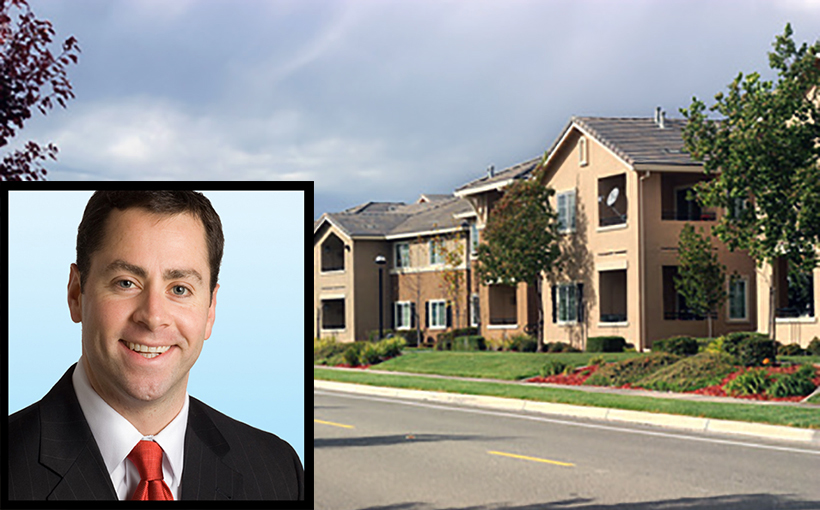

Deliveries and Demographics: Q&A with Colliers’ Will Mathews
In this Q&A installment, Connect Media posted questions about apartment deliveries and demographics to Colliers International’s Will Mathews, who is Vice President and Principal with the company’s Atlanta office. Mathews also heads Colliers’ Multifamily Advisory Group/East Region.
Q. There has been evidence of apartment overbuilding in some metros. Do you see this continuing?
A. Multifamily remains the leading risk-adjusted return in commercial real estate. A study co-commissioned by the National Apartments Association (NAA) projects 4.6 million new apartments will need to be constructed by 2030 to keep up with demand due to the younger population delaying marriage, U.S. population ages and continued immigration. According to another NAA/National Multi Housing Council (NMHC) study, current trends show the need for hundreds of thousands of new rental units in fast-growing metros within Georgia, California, North Carolina, Texas and Virginia by that same year.
An abundance of supply is expected over the next two years, so multifamily deliveries may exceed demand in some of the United States top metros. Some markets with outside development activity are experiencing stagnating rental growth and increasing vacancy rates. Multifamily deliveries are projected to surpass demand in markets such as Charlotte, Denver, Miami and Seattle. With most of development taking place within the urban core of many markets, opportunities in growing suburban areas can continue to be expected. With strong economies and increasing populations in many of the metros that are thought to be at risk of oversupply, we shouldn’t see an absorption problem for units coming online.
Developers will slow development if occupancy rates decrease too much. For example, Nashville is a bustling city with job growth, rent growth and population growth. But, it is experiencing the effects of oversupply, as units are being delivered to the market where the demand is just not as great. Thankfully, Nashville’s job market remains strong. Over the last five years, the employed labor force has increased 20%, which equates to 160,000 jobs. The demand is struggling to keep up with supply, with 8,500 units delivered in 2017 but a net renter demand of only 6,300 units. This oversupply has slowed rent growth, especially among Class A properties. However, Nashville looks to rebound behind a strong economy and a growing population.
Most of the properties with high vacancy rates are newly constructed Class A buildings. The Class B properties’ rents and vacancies have not been affected to the same degree. The development of new multifamily communities is likely to slow with demand chasing supply. The focus has shifted from developing new communities to investing in B-/C-rated properties and trying to increase their value by implementing renovation programs.
Q. Speaking of Class B and C apartments, affordable housing is on everyone’s radar. What can be done to bring more affordable units to the market?
A. There is an ever-widening gap between low- and moderate-income households, and affordable units available to them. One reason for this gap is the fact that it is very expensive to build low-income housing. An example of this can be seen in Emeryville, CA where a nonprofit housing developer is breaking ground on an 84-unit apartment complex. The cost of construction for this affordable apartment community estimates to be approximately $700,000 per unit.
These publicly-subsidized affordable housing projects cost much more to build than market-rate housing. Private developers are constructing new multifamily housing at a far lower cost. One developer in Portland (Oregon) constructed new one-bedroom apartments at a cost of less than $100,000 per door. Private investors and developers should be taking advantage of Low-Income Housing Tax Credits (LIHTC) to construct/acquire affordable housing assets.
The LIHTC program provides roughly $3 billion across the nation on a yearly basis. State and local municipalities must figure out creative ways to curb the cost of construction, for example, offer developers concessions if they include a certain number of affordable units in their multifamily developments or invest more into affordable housing.
Q. What are the demographic characteristics of today’s renters?
A. Renting is more of a trend for millennials. A Rent.com survey of 1,000 renters between the ages of 18 and 34 found that nearly 8 of 10 don’t plan on trading their apartments for homes in the near future. According to numerous studies, 74% of millennials chose to rent rather than to buy in 2016, and this trend is continuing. The Great Recession, housing bubble, postponing marriage and children, affordability and convenience are the main driving factors which are keeping millennials from buying homes. The lingering effects of the recession caused them to incur greater student loan debt than previous generations, and a restricted labor market, limited income opportunities and job availability pushed back important financial decisions, including home-buying. New features such as high ceilings, garages, upscale appliances, advanced alarm systems, state-of-the-art fitness facilities and luxury swimming pools are attractive to renters. Proximity to shopping, public transportation and job centers are also important to securing new development sites.
For comments, questions or concerns, please contact Amy Sorter

Apartment buildings for sale
Check out the latest properties available on apartmentbuildings.com
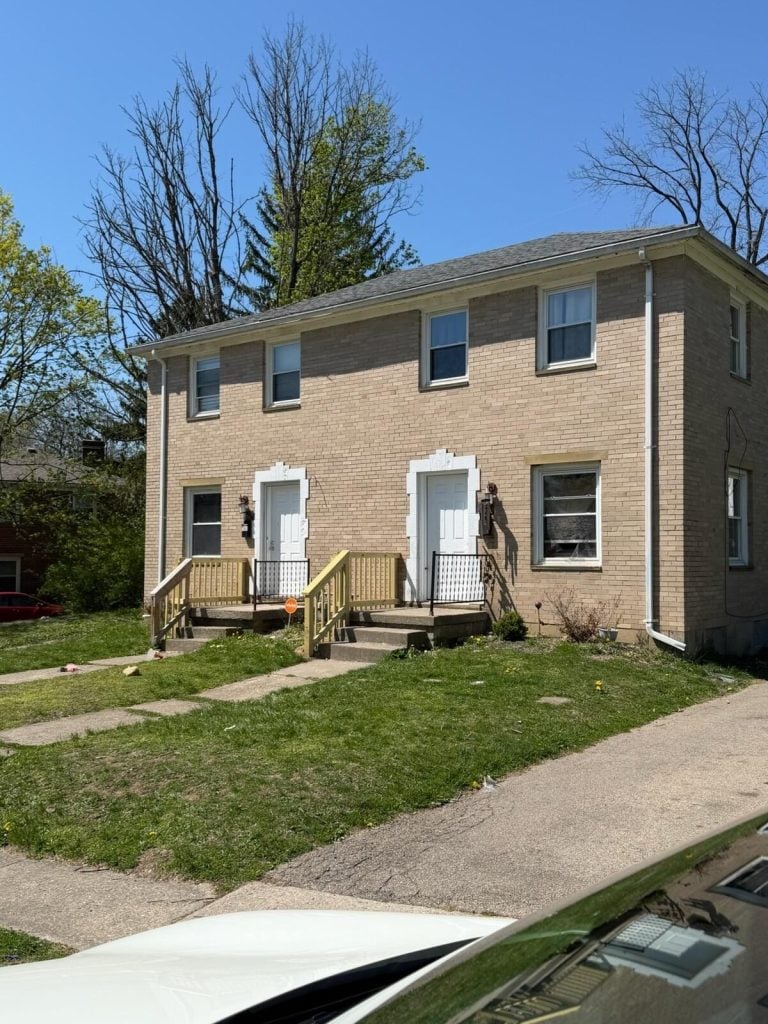
1143 Cedarview Drive
Springfield, OHChicago & Midwest + 2-4 Units
Learn MoreListing Status: Available Listing Type: Call for offers Price: $163,500 No. of Units: 2 Year Built: 1938 Lot Size: 1728 Acres Opportunity Zone: No Price per unit: $81,750 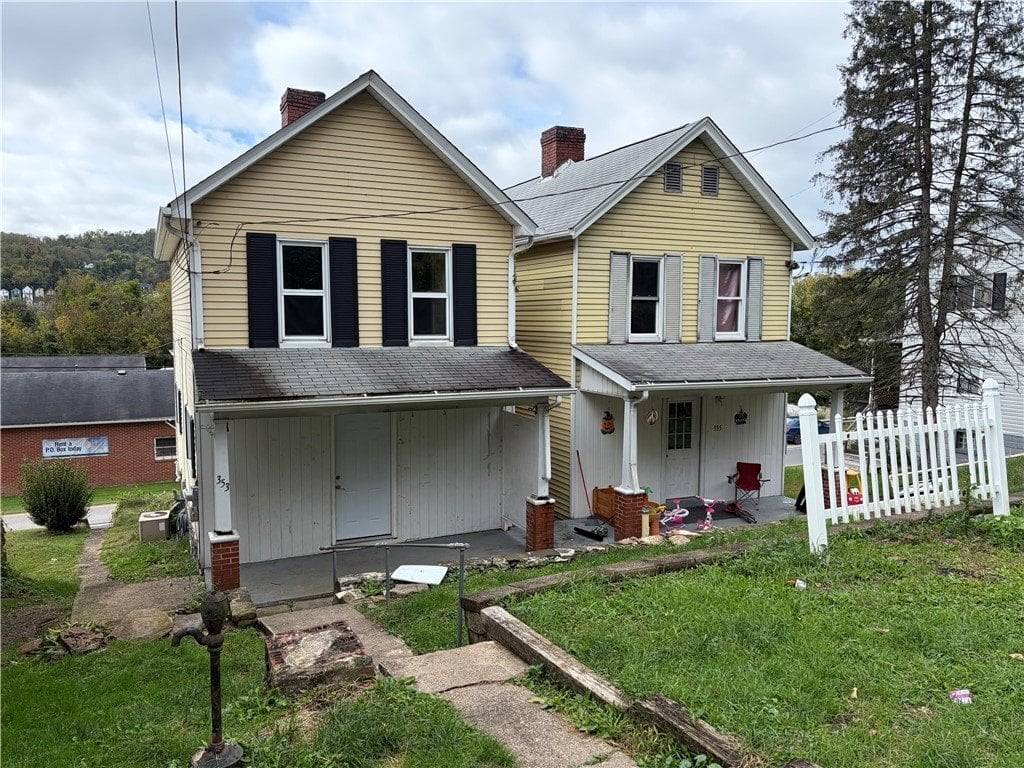
353-355 3rd St
Belle Vernon, PANew York & Tri-State + 2-4 Units
Learn MoreListing Status: Available Listing Type: Call for offers Price: $99,724 No. of Units: 2 Opportunity Zone: No Price per unit: $49,862


