



National CRE News In Your Inbox.
Sign up for Connect emails to stay informed with CRE stories that are 150 words or less.

CRE Investors May Be Underestimating the Impact of Insurance Costs
Homeowners won’t be surprised to see insurance premiums go up following a year of natural disasters and the collapse of the condominium tower in Surfside, FL. Although commercial real estate investors also expect to see increases in their premiums, “there appears to be a substantial disconnect between insurers and real estate market participants about the magnitude of these increases,” SitusAMC says in a new whitepaper.
“Because commercial real estate is a long-term investment strategy and is capital-intensive, even small differences between anticipated and realized insurance cost increases can result in a significant overestimation” of NOI, according to the white paper. “Property damage stemming from natural disasters is a widespread problem not limited to South Florida and other coastal markets.
“Other risk factors, such as regulatory burdens and property or portfolio considerations, influence the extent of insurance cost increases. Real estate investors will be better prepared and able to model insurance cost increases more accurately if they understand the multitude of risk factors to which a property is exposed.”
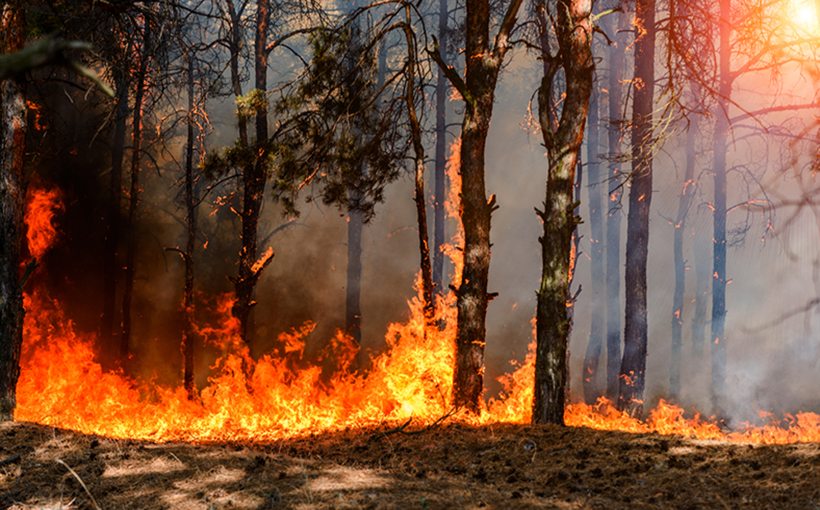
Arguably the most visible risk factor—because its impact will be reported on the nightly news in local markets—is an increase in the number and severity of natural disasters such as hurricanes, tornadoes, and wildfires. This has magnified the short- and long-term risk for insurers and led to increases in insurance costs and reductions in coverage for property owners, says SitusAMC.
The whitepaper notes that some of the states with the largest population inflows over the past several years are also mired in a drought and are likely to face ongoing fire threats from a drying climate. The growth in population further increases risk.
“Demographic data from California suggests that as the population grows, residents will push farther and farther from the metro core in search of affordable space” and into fire-prone areas, SitusAMC says.
At present, valuers are modeling a 10% to 15% insurance growth rate in year one and inflationary increases on the order of 3%/year for the duration of the holding period. That model may underestimate the rise in costs. Citing the USI Mid-Year Market Update for 2021, SitusAMC says premiums on properties outside of catastrophe-prone zones should be expected to rise 5% to 10% annually, while properties inside catastrophe zones may see annual premium increase between 10% and 15%.
The company says its proprietary valuation modeling resulted in no discernable difference in property values for a retail portfolio when annual insurance price growth was set to three times the inflationary rate that is typically used in valuation models. “But an underestimation of insurance rate increases would be particularly acute in a flat or increasing cap rate environment, or in situations where space market conditions do not allow for rent increases to fully offset the increase in expenses.”
- ◦Financing


