



National CRE News In Your Inbox.
Sign up for Connect emails to stay informed with CRE stories that are 150 words or less.

Construction Industry Set for New Growth and New Challenges
The global construction market is set for a sustained period of strong growth post-COVID-19, driven by government spending on infrastructure and the transition to a net zero society, says Allianz Global Corporate and Specialty (AGCS). However, this period of growth will be accompanied by an intensive period of adjustment to new methods against the backdrop of existing challenges.
“COVID-19 has brought about a new age for the construction industry,” said Yann Dreyer, global practice group leader for construction in the global Energy & Construction team at AGCS. “While construction projects continued during the pandemic, and further growth is to come, the overall environment has changed fundamentally.
“The industry faces new challenges around supply chain volatility and spiking material costs, skilled workforce shortages and the heightened focus on sustainability,” he continued. “In addition, the accelerated deployment of cost-cutting strategies and implementation of new technologies and designs may well result in accelerated risks for construction companies and insurers alike. Continued risk monitoring and management controls will be key moving forward.”
A new report from AGCS, Managing the new age of construction risk, explores both acute and long-term risk trends for the construction sector. The sector’s strong growth outlook is based on a number of factors, such as rising populations in emerging markets and significant investment in alternative forms of energy such as wind, solar and hydrogen, as well as power storage and transmission systems.
Further, the shift to electric vehicles will require investment in new plants and battery manufacturing facilities and charging infrastructure. Buildings are not only expected to improve their carbon footprint but will also require improved coastal and flood defenses and sewage and drainage systems in many catastrophe-exposed regions in response to more frequent extreme weather events.
Governments in many countries are planning major public investments in large infrastructure projects to both stimulate economic activity after the pandemic crisis and drive the low carbon transition. In the U.S., the $1-trillion infrastructure package touches everything from bridges and roads to the nation’s broadband, water and energy systems.
At the same time, CNBC recently reported the Biden administration plans to invest in several large infrastructure projects around the world in 2022 in response to China’s ambitious Belt and Road Initiative, which could stretch from East Asia to Europe. Four countries – China, India, US and Indonesia – are expected to account for almost 60% of global growth in construction over the next decade.
The boom that’s expected to occur brings specific challenges along with the benefits. In the medium term, sudden surges in demand could put supply chains under additional pressure and exacerbate existing shortages of materials and skilled labor, causing schedule and cost overruns.
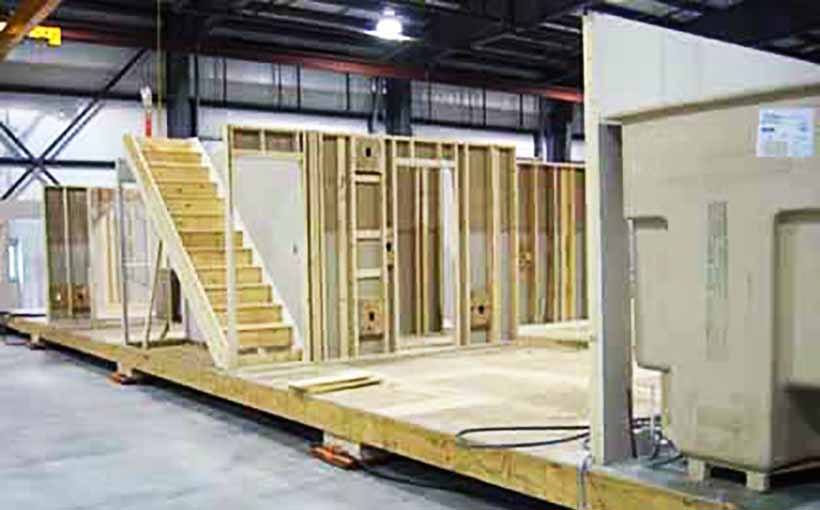
Additionally, many construction firms globally may need to accelerate the implementation of efficiency and cost-control measures if profit margins have been impacted in the COVID-19 economy, which can often impair quality and maintenance levels and increase susceptibility to errors. Analysis by AGCS shows that design defects and poor workmanship are one of the leading causes of construction and engineering losses, accounting for around 20% of the value of almost 30,000 industry claims examined between 2016 and the end of 2020.
- ◦Development


