



California CRE News In Your Inbox.
Sign up for Connect emails to stay informed with CRE stories that are 150 words or less.


Connect Q&A: Pollster Jonathan Brown on Affordable Housing as Voter Issue
Affordable housing is an industry topic that continues to dominate the future urban planning and new development landscape of California, and as we will find out, it ranks second only to solving a homelessness crisis in current voter sentiments.
Following the demise of SB 50 v2.0, urban planning legislation seeking to motivate high-density development near public transit nodes, and a void of other potentially viable legislative solutions on the near term horizon, Connect Media took the opportunity to check in on the high-level issues surrounding the “politics” of affordable housing on the current voter front from a CRE perspective.
The following is a quick Q&A with Jonathan Brown, founder of Sextant Strategies & Research, an experienced pollster covering California’s Affordable Housing political landscape:
Q: How are pollsters defining affordable housing as an issue when surveying, and how does the urban planning definition differ from the popular sentiment?
A: The phrase “affordable housing” means different things to different people, and unless poll questions include a specific definition, one should not interpret the results of poll questions on the generic idea of affordable housing to be reflective of the HUD 30% threshold or any other technical definition. Respondents generally place issues into a personal context – for those who are struggling with housing costs, they think about what they can afford. For those who have a comfortable housing situation, they may think of their children and grandchildren or middle-class professionals whom they know.
Q: Are there regional differences in public sentiment on the issue, meaning Southern California, Central California, Northern California or urban, coastal, rural, suburban differences?
A: 2017 statewide survey by the Public Policy Institute of California found that 79% of Bay Area residents believed housing affordability was a big problem in their area, while only 35% of Central Valley residents felt that way, illustrating an urban/rural split. In the L.A. area, 63% were concerned, and 59% in San Diego and Orange Counties. Rural California is not as directly impacted, and therefore less. Since then, in local polling, I’ve observed concern in other parts of the state rising more rapidly. Age is also a factor; concern about housing affordability is – not surprisingly – higher among younger Californians who are feeling that they may not have the option to buy a home when they want to.
Q: Are there key issues to correlate with affordable housing as an issue – i.e. homelessness, job growth, economic status, gentrification opposition and/or entitlement challenges?
A: While concern about the cost of housing is very high throughout the state, concern about homelessness is even higher. Obviously, there is a logical link between the two. I have noticed another similarity – Californians are anxious for action, but are cynical about the long term prospects for successful outcomes. The ability to maintain local control of zoning is crucial throughout Southern California. I’ve polled various parts of the City of Los Angeles and citywide in San Diego recently, and found strong majorities wishing to protect local control.
Jonathan Brown is President of Sextant Strategies & Research, a California-based public opinion research firm. His experience spans the politics of California urban planning for 19 years as a political consultant and opinion researcher. He has studied the evolution of the state’s issue landscape for many years and the evolution in how voters think about land use and housing issues.
For comments, questions or concerns, please contact Chris Egger
- ◦Development

Apartment buildings for sale
Check out the latest properties available on apartmentbuildings.com
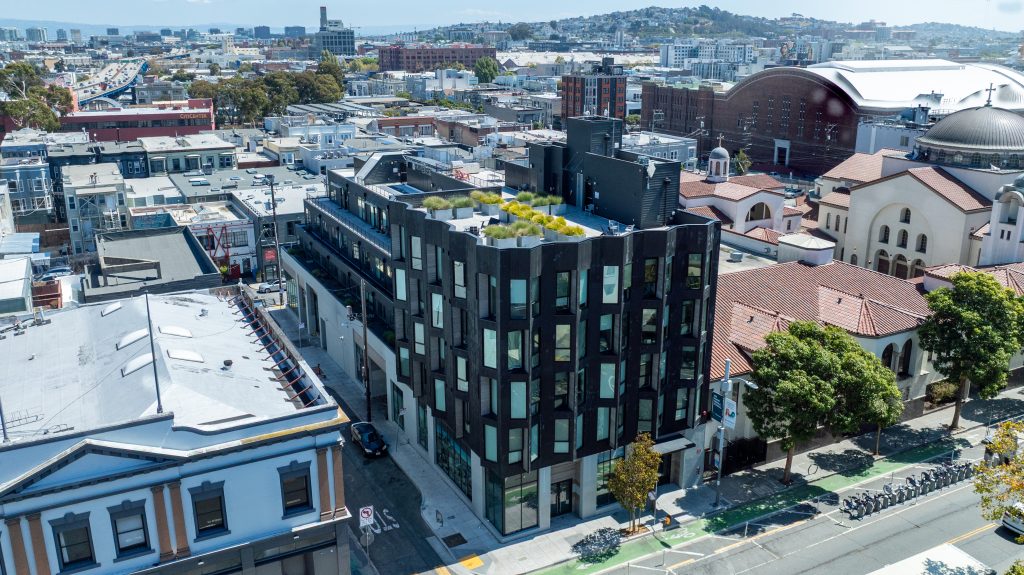
235 Valencia Street
San Francisco, CACalifornia & West + Apartment Buildings
Learn MoreListing Status: Available Listing Type: Highest & best offer Price: $20,000,000 No. of Units: 42 Year Built: 2019 Building Size: 25917 Sq ft Lot Size: 9148 Acres APN: 3532-019B Opportunity Zone: No Price per unit: $476,190 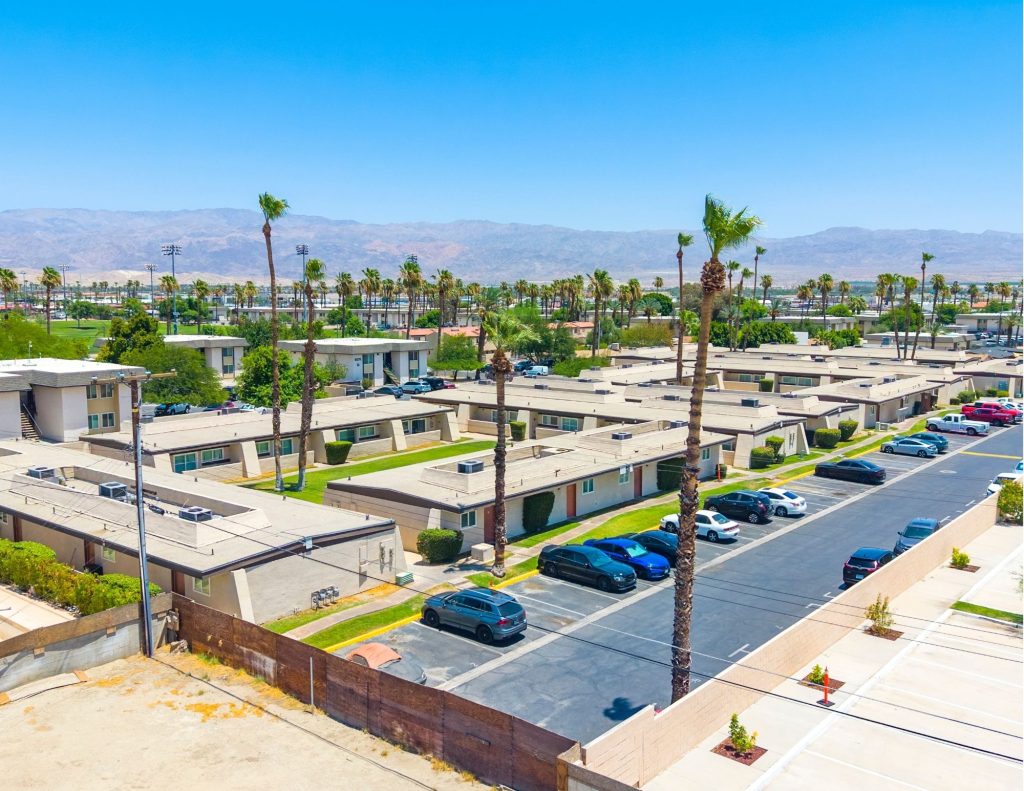
Casa Serena Apartments | Multifamily Property in Indio, CA
Indio, CACalifornia & West + Apartment Buildings
Learn MoreListing Status: Available Price: $8,400,000 No. of Units: 51 Cap Rate: 6.61 GRM/GIM: 9.13 Year Built: 1982 Building Size: 29376 Sq ft Lot Size: 106286 Acres No. of Stories: 1 APN: 612-064-001 to 612-064-052 Opportunity Zone: No Price per unit: $164,705


