



Chicago & Midwest CRE News In Your Inbox.
Sign up for Connect emails to stay informed with CRE stories that are 150 words or less.
Connect Chicago: Experts Describe a City on the Verge of Change
With the inauguration of Chicago’s first new mayor in eight years less than a week away, the prospect of change was a focal point of Tuesday’s Connect Chicago event. It was an underlying theme in each of the presentations the 200-plus attendees saw, on subjects that ranged from the region’s economic outlook to mega-projects.
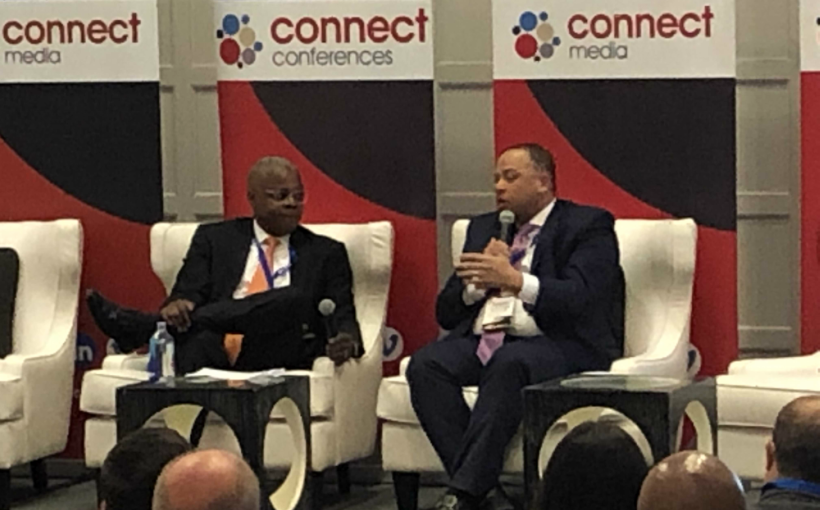
For incoming Mayor Lori Lightfoot, “The biggest challenge is to get everyone pulling in the same direction,” said City Treasurer Kurt Summers during a one-on-one keynote interview by Craig Huffman, co-founder and managing partner of Metroedge.
Not all of the potential for change stems from new faces in City Hall, who include several new City Council members as well as the new mayor. Nor is it limited to actions taken within Illinois, whether by the new governor, J.B. Pritzker, or the new Cook County assessor, Fritz Kaegi, whose new formula for assessing commercial properties drew both praise and sharp criticism from panelists.
Another catalyst for widespread change is hardly a newcomer to the conversation: the IRS, which issued new proposed guidelines on Qualified Opportunity Zone investments in April. The new guidance helped to illuminate a great many areas of uncertainty about the program that came into being as a product of Congress’ 2017 tax reform.
In a well-received panel discussion of QOZs and their benefits and risks of investing in them, Wipfli LLP’s Josh Graham provided a high-level view of the points of additional clarity provided by the new guidelines, while investors Leon Walker of DL3 Realty and Tony Lindsay of North Wells Capital drilled down into what makes QOZ investments work.
In both Chicago and more broadly across the U.S., most of the census tracts that have been selected as QOZs probably wouldn’t draw investment capital on their own. And that, said Walker, is why the program was structured in the way that it was.
“You can’t do enough charitable investment in these neighborhoods to really turn the tide,” Walker told the Connect Chicago audience. There needs to be additional incentives to attract private capital.
Check back over the next few days for in-depth discussions of the Connect Chicago panels.
Pictured: Kurt Summers (at right) responds to a question from Craig Huffman
 Get Chicago News in 150 Words
For comments, questions or concerns, please contact Paul Bubny
- ◦Economy
- ◦Financing
- ◦Development
- ◦Sale/Acquisition
