



California CRE News In Your Inbox.
Sign up for Connect emails to stay informed with CRE stories that are 150 words or less.


Connect Apartments 2019: Institutional Investors Diving Deeper into Apartments
By Ben Johnson
Once shunned by many institutional investors, today’s apartment market is now firmly entrenched as a coveted asset class, a dynamic shift in sentiment compared to just a few short years ago. Confirmation of this came from a group of panelists during an in-depth discussion hosted at Connect Apartments 2019, which featured more than 400 attendees at the JW Marriott at LA Live in downtown Los Angeles.
Panelists included moderator Enrique Wong, first vice president and regional manager at Marcus & Millichap; Frank Liu, senior director at Canyon Partners Real Estate LLC; Ted Fentin, partner and managing director at AECOM Capital; Damian Langere, partner at Gelt, Inc.; and Noah Hochman, co-chief investment officer and head of capital markets at TruAmerica Multifamily.
Fentin noted that there is still a tremendous amount of demand from pension funds and high-net-worth investors for core multifamily investments. Liu agreed that global demand for U.S. real estate remains extremely strong. Also, he noted that debt is incredibly inexpensive due to competition among lenders. “There is so much bridge debt chasing deals today,” he says.
As institutions get more comfortable with the asset class, they are broadening their investment scope as well, said Hochman. “Investing in multifamily doesn’t necessarily mean Class A buildings,” he said, as institutional investors are getting more comfortable with Class B product as well. “A lot of capital views it as an institutional class and investors are going down the quality curve because risk is lower.”
Hochman, whose TruAmerica manages over 40,000 units of workforce housing, said the U.S. has a housing shortage and an affordability problem. “The risk/return profile is really compelling in workforce housing and unless you’re losing money you will continue to see capital in this space,” he noted.
One key area of concern among the panelists is the increasing focus by local and state agencies on rent control, particularly in California. “We are definitely looking at markets in Texas and other locations that are focused on growth,” said Fentin.
According to Wong, “Rent control today is not helping the people it is designed to help.”
Hochman echoed that sentiment. “We will buy in locations that are less likely to take draconian measures. At the end of the day there will be opportunities to make money once you price the risk, and it’s definitely concerning. You can’t defeat the laws of supply and demand, and price controls don’t solve the issue.”
Fentin offered a potential solution for the current situation. “Developers are economically driven, and where there are decisions to build it we will build it. They should be incenting developers to build rather than looking at us as the enemy and us vs. them.”
Liu put it less succinctly, referring to the California State legislature’s predominantly Democratic party majority. “The super controlled house and senate are super scary.”
When it comes to the hot topic of opportunity zones, panelists were mixed in their outlook. “There is lots of money but not a lot of opportunity,” said Langere. And Fentin was also a bit circumspect. “A deal has to stand on its own, but the benefits of opportunity zones are still unclear.” Liu is in the middle of closing on the firm’s second opportunity zone deal, but admitted that they require a tremendous amount of work and are complex.
For comments, questions or concerns, please contact Dennis Kaiser
- ◦Development
- ◦Sale/Acquisition

Apartment buildings for sale
Check out the latest properties available on apartmentbuildings.com
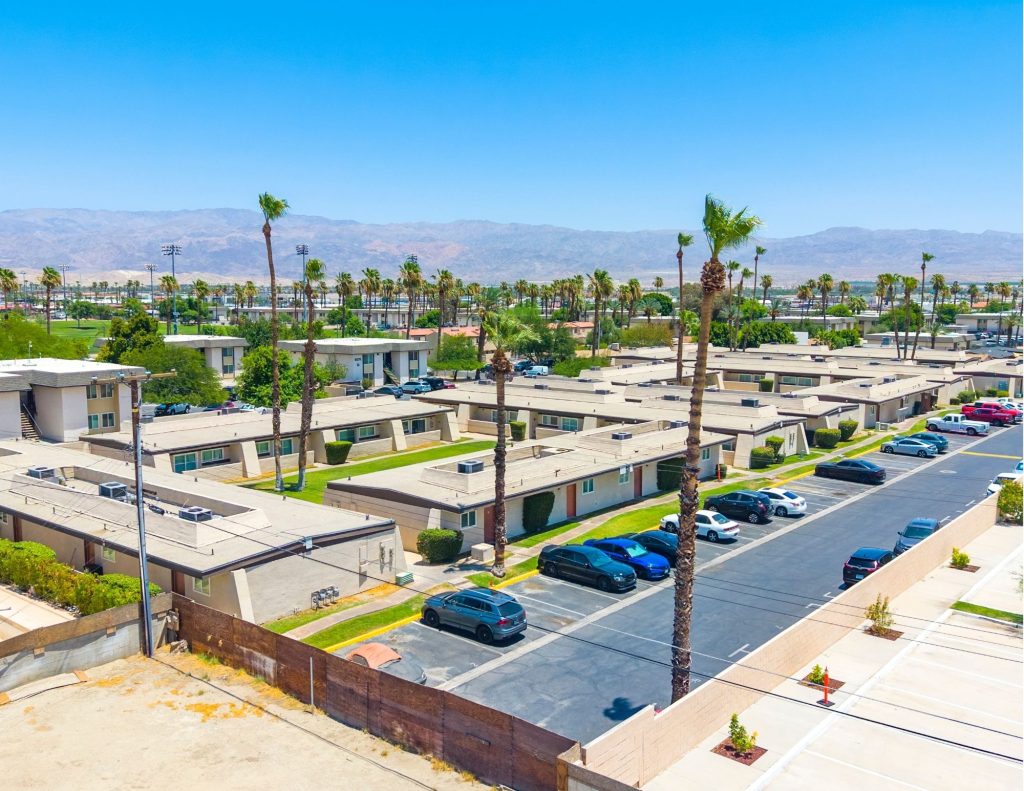
Casa Serena Apartments | Multifamily Property in Indio, CA
Indio, CACalifornia & West + Apartment Buildings
Learn MoreListing Status: Available Price: $8,400,000 No. of Units: 51 Cap Rate: 6.61 GRM/GIM: 9.13 Year Built: 1982 Building Size: 29376 Sq ft Lot Size: 106286 Acres No. of Stories: 1 APN: 612-064-001 to 612-064-052 Opportunity Zone: No Price per unit: $164,705 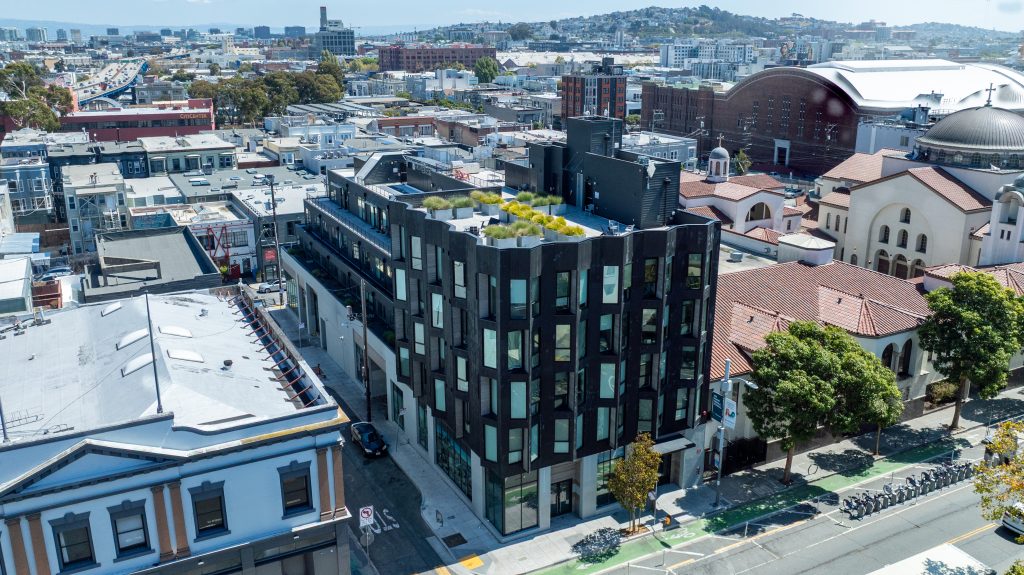
235 Valencia Street
San Francisco, CACalifornia & West + Apartment Buildings
Learn MoreListing Status: Available Listing Type: Highest & best offer Price: $20,000,000 No. of Units: 42 Year Built: 2019 Building Size: 25917 Sq ft Lot Size: 9148 Acres APN: 3532-019B Opportunity Zone: No Price per unit: $476,190


