



National CRE News In Your Inbox.
Sign up for Connect emails to stay informed with CRE stories that are 150 words or less.


Connect Apartments 2019: Healthy Outlook for the Multifamily Sector
By Ben Johnson
Connect Apartments 2019 kicked off with a bang last week, as Michael Cohen, vice president advisory services at CoStar Group, provided a largely positive outlook for the U.S. economy, which is a key driver of demand for the apartment sector.
Cohen spoke before more than 400 conference attendees at the JW Marriott at LA Live in downtown Los Angeles.

Cohen
“Certainly, we see a slowdown, but the U.S. economy still has momentum,” said Cohen. “70% of the U.S. economy is driven by consumption, and we think there is more room to run. There are certainly some scary things under the bed at night, so it’s important to pay very close attention to fundamentals and business sentiment.”
While global economic growth is slowing, corporate profits remain healthy. There has been a slowdown in business investment, primarily driven by uncertainty over global trade tensions. Also, manufacturing output is slowing. But importantly for the multifamily sector, job gains are very broad-based, providing a healthy foundation for continued apartment demand.
Cohen noted that demographics pose one of the most interesting challenges to the continued growth in the apartment market, as owners and developers grapple with millennials reaching their 30s and overall slowed population growth.
In terms of geographic winners and losers, the Southeast and Southwest are projected to have some of the strongest population growth in the next two years, while the Northeast and Midwest are going to face more challenges.
Specifically, Cohen cited Austin, Orlando, Phoenix, Seattle and Dallas as hot markets, while Chicago and Los Angeles, as examples, will struggle to add workers as quickly as the Sunbelt markets.
Overall, the U.S. apartment market is coming off a strong 2018 with dynamic fundamentals, he noted. Of some concern is the robust supply pipeline, which has more than 600,000 apartment units under construction. The vast majority are what Cohen termed more luxury, 4- and 5-star properties
According to CoStar data, Salt Lake City is adding 11% more units to its inventory, while Miami and Boston added supply at a rate that is unparalled in their history, said Cohen.
Cohen’s advice: Pay attention to this construction pipeline. Ultimately, however, he believes that most markets will be able to absorb the new supply over a reasonable time.
Despite all of the new supply, the good news is that rents are still growing, but they are growing faster in the suburban markets where there is lower supply and vacancies are at or below the long-term average. “We are big believers in the suburbs,” said Cohen, “primarily because they will attract more millennials and retired baby boomers.” Phoenix tops the list of U.S. cities with the highest percentage of rent growth year over year in Q1 2019, followed by Las Vegas and Atlanta. Markets with the lowest rent growth included Philadelphia, Portland and Baltimore.
As for capital flows, investors are rotating into more secondary markets that are less expensive, recognizing that these markets will have superior demographic and demand drivers.
For comments, questions or concerns, please contact Dennis Kaiser

Apartment buildings for sale
Check out the latest properties available on apartmentbuildings.com
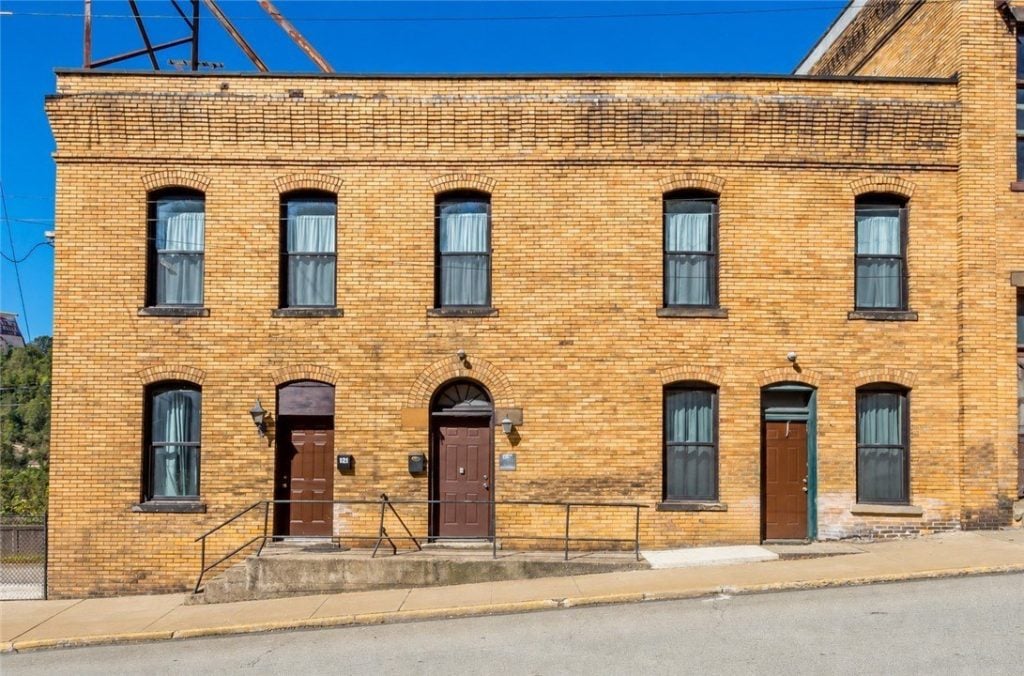
121-125 Market St
Brownsville, PANew York & Tri-State + 2-4 Units
Learn MoreListing Status: Available Listing Type: Call for offers Price: $289,900 No. of Units: 2 Year Built: 1900 Opportunity Zone: No Price per unit: $144,950 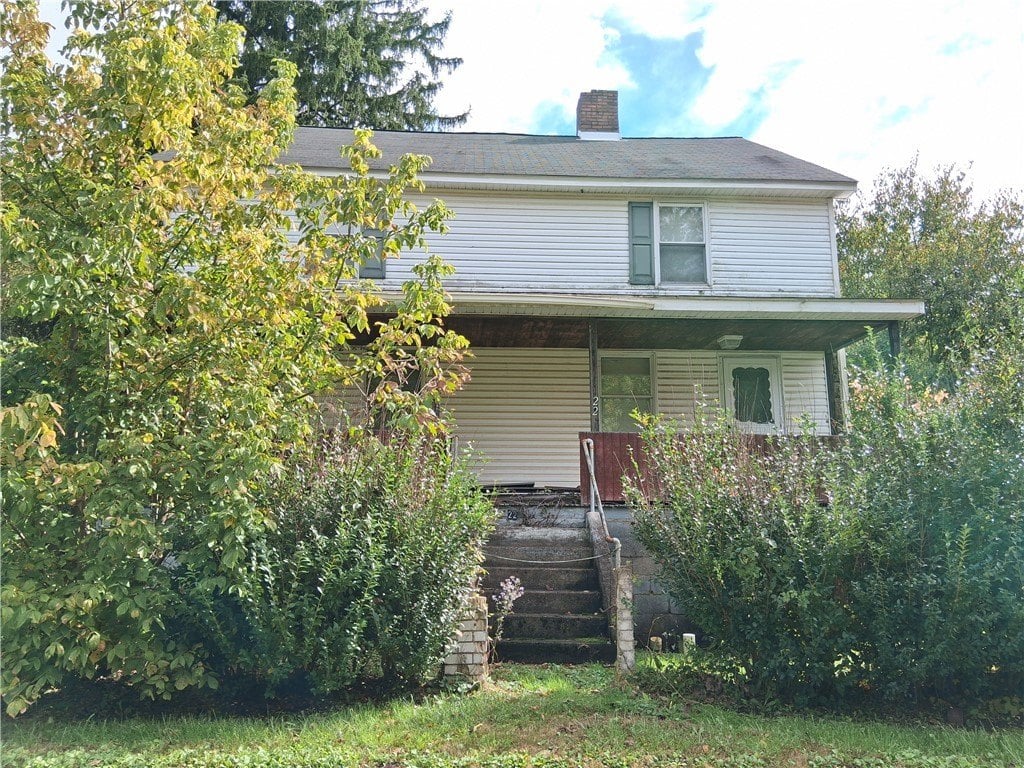
22 Verner Ave
Smith, PANew York & Tri-State + 2-4 Units
Learn MoreListing Status: Available Listing Type: Call for offers Price: $75,000 No. of Units: 2 Year Built: 1900 Opportunity Zone: No Price per unit: $37,500


