



New York & Tri-State CRE News In Your Inbox.
Sign up for Connect emails to stay informed with CRE stories that are 150 words or less.


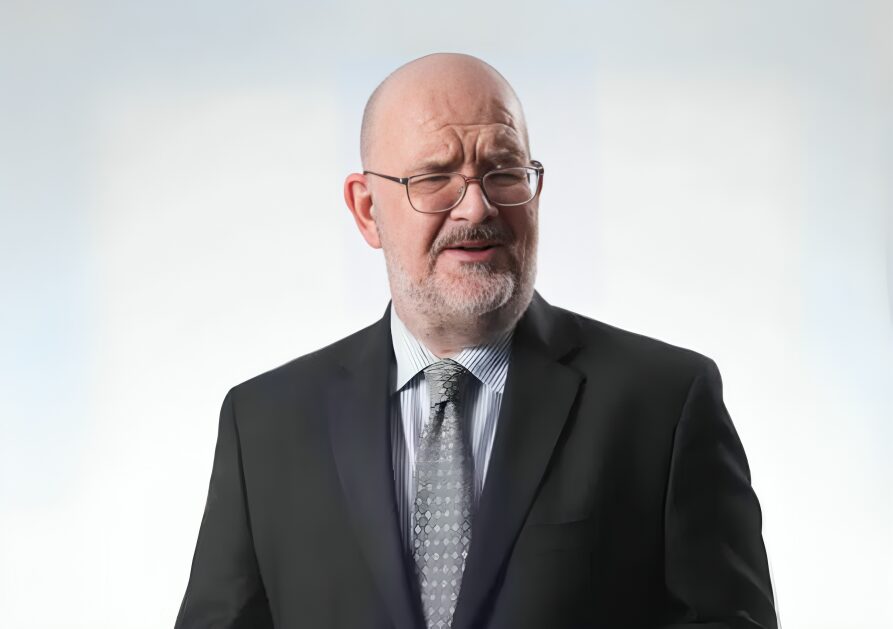
Common’s Brian Lee on Engaging with New Ideas in Multifamily
Co-living is poised to do for residential what co-working and flexible space providers have done for office. Among the leaders in this fast-growing sector is locally based Common, whose Brian Lee will take the stage on April 30 as part of Connect New York’s panel discussion of the multifamily sector. In advance of next week’s event, Connect Media sounded out Lee for his insights into coliving.
Q: The co-living trend has gotten a great deal of momentum lately. What’s behind this?
Brian Lee: Consumer demand. There are 70 million Americans living with a non-family-member roommate today. These living situations are generally ad hoc and inconvenient. Common’s goal is to elevate the current roommate living situations. We’re acknowledging that a lot of people live with roommates, and creating a product that caters to this population, which is large and growing very quickly.
Q: Common has opened projects in cities across the country, outside of New York. That said, is New York an especially advantageous market for this type of product?
Lee: Yes. Any market where a lot of people live with roommates and has an affordability crisis is a great market for co-living. New York is where we started, more than half our portfolio is in New York and we’ve been very successful here. But we’ve also seen success in Washington, D.C., Chicago, Seattle, Los Angeles and San Francisco. We also have projects under development in the top 15 U.S. metro markets. Coliving is not limited to the expensive coastal cities.
Q: How do you identify and work with development partners?
Lee: We look for experienced multifamily developers who are willing to experiment and engage with new ideas. Residential real estate has historically been a pretty conservative industry: developers figure out a product that generates decent yields and then replicates it. We target developers who are a little more entrepreneurial and forward-thinking, and who can “get” the story of co-living and believe in the concept.
Q: It must be a pretty collaborative process throughout.
Lee: Working with Common is a lot like working with a hotel flag operator. We typically get involved during the pre-development process, right after a developer has purchased a site. Once the core and shell is built out to Common’s specifications, we take over as the property operator. We do everything from leasing and marketing to repairs and maintenance.
Q: Aside from the turnkey aspect, what are some of the other aspects of working with Common that make it a value proposition for developers?
Lee: They make more NOI. Common’s secret sauce is taking a building envelope and creating more rentable square footage than a traditional scenario. Co-living buildings are able to generate 15-30% more NOI due to the higher density. It’s really a win-win for the developer and the renter. The developer gets more rent per square foot, and the renter can access a well-built apartment building, generally in a good location, for a much cheaper price than a studio. And it’s more convenient and less lonely than living by yourself in a studio.
Connect New York is coming up on April 30! Click here to register for the event.
For comments, questions or concerns, please contact Paul Bubny
- ◦Development

Apartment buildings for sale
Check out the latest properties available on apartmentbuildings.com
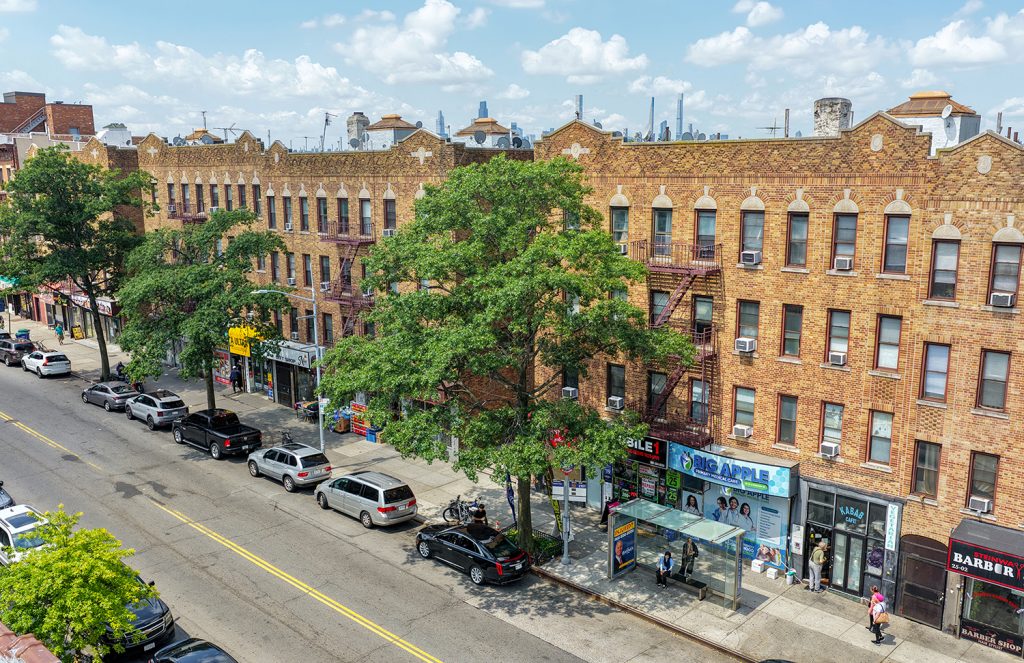
Apartment Property for Sale in Astoria at 25-12 Steinway Street
Astoria, NYNew York & Tri-State
Learn MoreListing Status: Available Listing Type: Distressed sale No. of Units: 37 Building Size: 30132 Sq ft Opportunity Zone: No 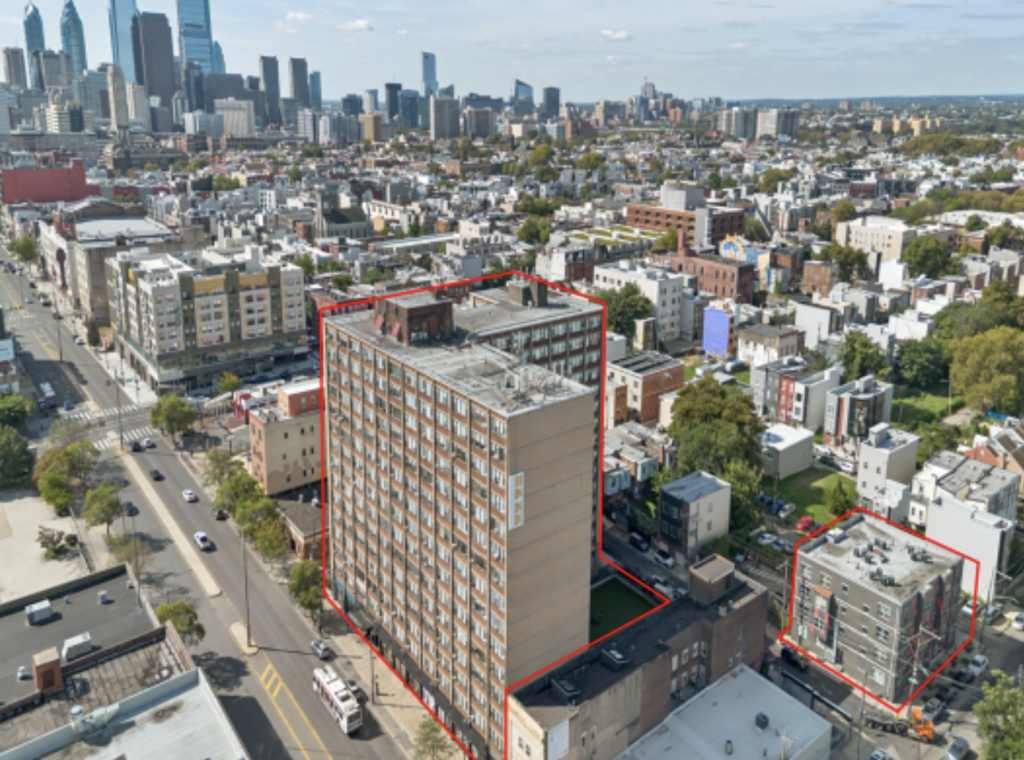
309-UNIT MULTI-ASSET RESIDENTIAL PORTFOLIO
Philadelphia, PANew York & Tri-State + Apartment Buildings
Learn MoreListing Status: Available Listing Type: Highest & best offer Price: $40,200,000 No. of Units: 309 Year Built: 1940 Year Renovated: 2011 Building Size: 265293 Sq ft Opportunity Zone: No Price per unit: $130,097


