



National CRE News In Your Inbox.
Sign up for Connect emails to stay informed with CRE stories that are 150 words or less.

Closing the NIMBY-YIMBY Gap
Several issues stand in the way of multifamily development, including land availability, lack of capital, high interest rates and inflation. Then there’s NIMBY (“not in my backyard”) sentiment. According to an article written by Matthews Real Estate Investment Services, NIMBY came about in the 1970s “and has evolved from a political stance to real estate’s most delicate catch-22 affecting the lives of people in the U.S.”
That catch-22 is a dire need for more housing due to underdevelopment and an expanding population. Yet NIMBYs don’t want to see that housing in their neighborhoods. Opposing the NIMBYs is YIMBY (“yes in my backyard”), or as the article put it, renters, developers, investors and affordability advocates. Meanwhile, the NIMBYs tend to consist of homeowners in suburban or rural areas “motivated by their properties’ sentimental and intrinsic value.”
Why NIMBYs are Concerned
Matthews’ experts noted that dense, new multifamily development will mean their homes will deteriorate in value. They’re long-term residents, some of whom have lived in their houses for up to 30 years. The concerns include more crime and traffic, changing the neighborhood dynamic and that new developments “won’t blend in well with the neighborhood.”
Meanwhile, there tends to be a general dislike of developers in general, especially when residents see that developers will earn a significant profit from what they’re building. Finally, NIMBYs, like most humans, are psychologically averse to change.
What YIMBYS Should Do
The article indicated that YIMBYs shouldn’t waste time and effort trying to change the minds of NIMBYs. Instead, developers can focus on rallying more community support by highlighting the benefits of a new apartment building. The role of developers is to overcome opposition by addressing the urgent need for more housing.
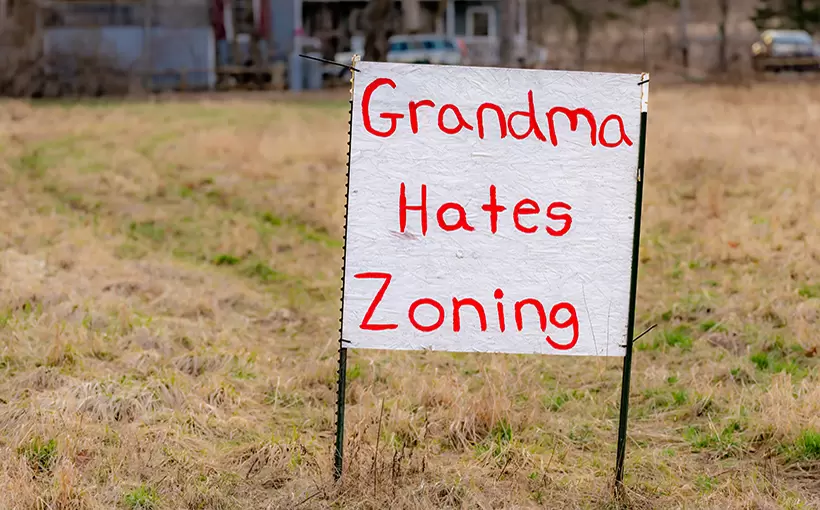
YIMBYs also need to accept that NIMBYism is going to occur, as (once again) change tends to generate pushback. There are also zoning laws, which can drag on interminably. To that end, YIMBYs also need the support of local governments.
The article concluded by explaining that “as long as developers build, there will be NIMBY settlement.” The issue is that the U.S. needs to close its housing gap. The goal is to “bridge the disparity between NIMBYer nostalgia and YIMBYer motives with some reason, a lot of planning and one common belief: People need housing,” the article said.
- ◦Development
- ◦Policy/Gov't


