



California CRE News In Your Inbox.
Sign up for Connect emails to stay informed with CRE stories that are 150 words or less.
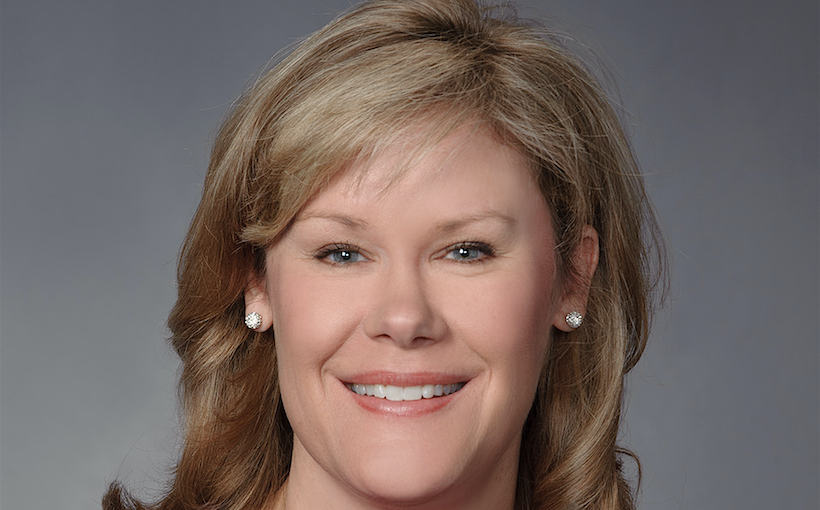

CAA’s Debra Carlton Q&A: Solving California’s Housing Crisis
Connect Apartments is coming up next week in Los Angeles. The conference features a host of commercial real estate experts who will cover a wide range of topics including the California’s housing issues, the economy, institutional investment, multifamily finance, development and how apartment leaders are getting deals done today.
Leading up to the event, Connect Media asked California Apartment Association’s Debra Carlton to share her insights into the state of the market. Check out our latest 3 CRE Q&A to see what she thinks about the state’s housing crisis and a few solutions CRE leaders should consider.
Q: What are some of the overarching trends, factors or challenges you see unfolding in the state’s housing market?
A: California continues to suffer from a severe shortage of housing, which can be attributed to several issues. Developers face challenges and delays when working through local permitting processes and trying to obtain approvals for multifamily development. Building in California is expensive. So is rehabbing older properties. These factors combine to drive up rents, which creates a steady pressure on legislators to introduce and pass tenant-protection bills (such as rent control/caps and just-cause eviction) that, unfortunately, only exacerbate the housing shortage. At the same time, the Legislature has been unwilling to pass major reforms when it comes to the California Environmental Quality Act (CEQA) and other roadblocks that deter housing construction.
Q: How can and should multifamily investors approach their decisions today, given the length of the cycle, interest rates, overall economic conditions or legislation?
A: Owners must plan with their eyes wide open to the political realities facing the industry. It’s important that their analyses acknowledge that legislation may be signed into law – as soon as this year – that could very well cap their rents on existing properties. The pressure for city councils and boards of supervisors to impose rent control also continues. On top of that, just when we were done with Proposition 10 (November ballot 2018), which would have brought extreme forms of rent control back to California, it appears a new version of that initiative could be headed to voters again in 2020. When it comes to regulatory threats, there’s little relief on the horizon.
Q: What is your advice to multifamily investors, developers, brokers, etc. relative to the housing situation in California?
A: Move cautiously when rehabbing properties and increasing rents. Don’t make the headlines. Every few weeks, a story publishes about tenants being forced “onto the street” because of rising rents or an extensive apartment remodel. Consider the public perceptions of your actions. The impacts reverberate across the industry, and give legislators and local lawmakers cover for imposing tenant protections that make operating rental housing difficult in the long run.
For comments, questions or concerns, please contact Dennis Kaiser
- ◦Economy

Apartment buildings for sale
Check out the latest properties available on apartmentbuildings.com
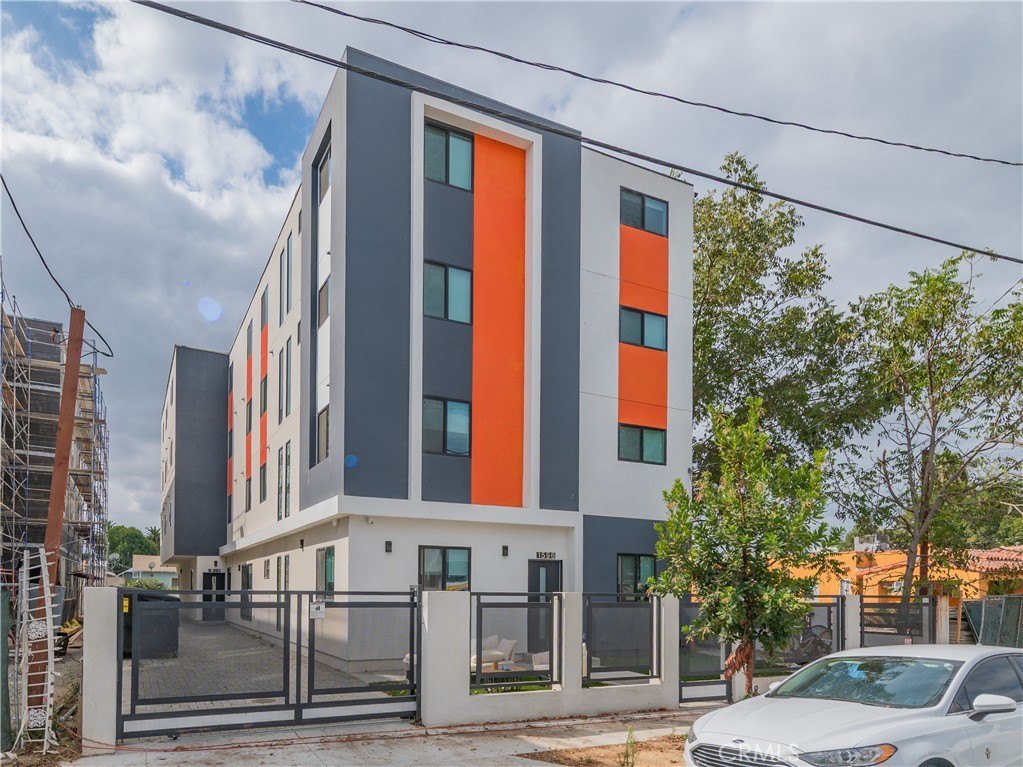
1598 W 36th
Los Angeles, CACalifornia & West + Apartment Buildings
Learn MoreListing Status: Available Listing Type: Call for offers Price: $6,500,000 No. of Units: 45 Year Built: 2025 Opportunity Zone: No Price per unit: $144,444 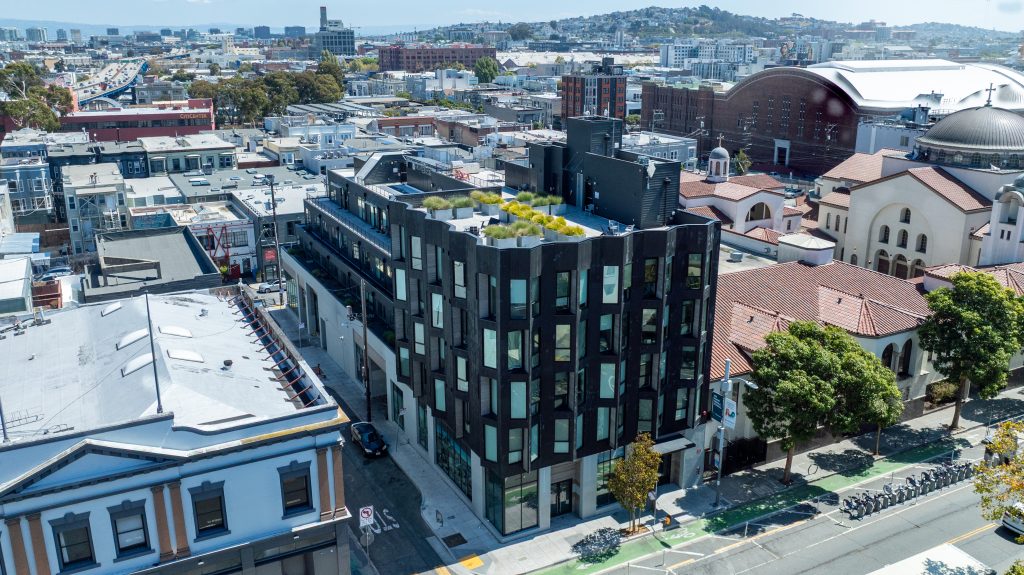
235 Valencia Street
San Francisco, CACalifornia & West + Apartment Buildings
Learn MoreListing Status: Available Listing Type: Highest & best offer Price: $20,000,000 No. of Units: 42 Year Built: 2019 Building Size: 25917 Sq ft Lot Size: 9148 Acres APN: 3532-019B Opportunity Zone: No Price per unit: $476,190


