



Seattle & Northwest CRE News In Your Inbox.
Sign up for Connect emails to stay informed with CRE stories that are 150 words or less.


Bifurcation in the Seattle Multifamily Market
By Derek Graham
Seattle’s multifamily market has recently been impacted by negative sentiment among investors, with a decrease in rent growth, increasing vacancy rates, a robust supply pipeline, and political pressure to introduce tenant protection measures in Washington state. Despite these challenges, the outlook for market fundamentals remains strong.
Multifamily was one of the top performing asset classes nationally in each of the past two recessions (Great Financial Crisis and COVID), and the persistent U.S. housing shortage suggests it will continue to perform well in any future downturns.
Real estate is cyclical, and downturns are foreseeable, and although the broader multifamily sector often outperforms many other sectors during a downturn, not all multifamily properties will fare the same. In fact, some may suffer while others succeed.
At Odyssey, we target Class B properties in the suburbs of urban metros, like Seattle. In our experience operating properties across the country, we have learned that no two rental markets are exactly alike. Similarly, no two submarkets within a metro will perform in the same manner.
Acquiring six properties in the region between 2016 and 2021, we are intimately familiar with both the pre- and post-COVID dynamics of the Seattle market.
The Seattle multifamily market is currently experiencing a bifurcation in performance between the urban core versus the suburbs, as well as between Class A product compared to Class B and Class C product. Here are the patterns we’ve seen emerge:
Rent Growth
Though down from their summer 2022 peak, Seattle rents have increased on a year-over-year basis. With that, top multifamily research firms project another year of positive rent growth for the Seattle market in 2023. As the delta between monthly mortgage payments and rents has surpassed $2,000 for the first time in Seattle’s history, a significant affordability gap drives steady rental demand.
On a more granular level, the Seattle metro’s Class A rents have increased by 5.80% over their pre-COVID levels, whereas Class B and Class C rents have increased by 9.40% and 18.42%, respectively. Rents in Seattle’s urban core have essentially been flat since the onset of COVID. Additionally, the suburbs of Seattle, particularly the southern suburbs such as South King County and Pierce County, have outperformed the urban core with rental rates up 25% over pre-COVID levels.
Our assets in the Puget Sound region are all exceeding their proforma rents and lease renewal increases remain strong in the mid-single digit percentage range. Physical occupancy levels across our Seattle portfolio have not materially changed from a year ago and the recent elimination of rent-increase restrictions in select suburbs resulted in a meaningful spike in rent growth from Q3 to Q4 2022 and remained stable through Q1 2023.
Multi-Decade High Development Pipelines
Seattle’s multifamily stock is expected to grow by 4.06% this year– a full percentage point above the U.S. average of 3.05% and a healthy clip above the 2.65% average annual inventory growth the market has undergone over the past decade. However, much of this influx in growth is concentrated in the high-end Class A space, with over one-third of the 15,000 new units projected for this year to be delivered in the Downtown Seattle and Capitol Hill/Central District submarkets that make up Seattle’s urban core.
Although they are not immune from the consequences of higher interest rates, the Class B and Class C sectors have a much more favorable outlook than that of the Class A. Due to the respective $431 to $741 discounts to Class A rents, for Class B and Class C product in Seattle, the abundant new supply coming to the market is unlikely to materially impact rents or occupancy at Class B and Class C apartments.
The delta between Class A and Class B/Class C rents has never been larger, so small-scale, Class B/Class C properties are expected to outperform.
Class A rents in Seattle are projected to grow 2.71% in 2023 while overall market rents are projected to grow 4.20%, according to research from Marcus & Millichap and Institutional Property Advisors. Further highlighting the divergence in performance, the vacancy rate for Class A product is projected to increase 110 basis points to 6.30% in 2023 while Class B and Class C vacancy rates are projected to remain at 5%.
The repricing of Class A assets in Downtown Seattle is well under way, fueled by rising interest rates and elevated supply levels, and is a trend we expect to continue for the next couple years.
Though falling rents, higher interest rates, and potential over-development are causing concern for investors and developers in the market, understanding the nuances between different submarkets can paint a more accurate picture of the overall Seattle multifamily market. As developers are increasingly conscious of the current conditions, many have scaled down and moved forward with only three-quarters of their planned projects last year while some expect to cancel plans for up to half their projects in 2023.
But as we know, real estate is cyclical, and the cycle is likely to revert to one of undersupply by 2026. Despite bifurcation between location and Class, moderated development, a diversifying economy, and lack of housing affordability form a strong base for future rental demand.
Derek Graham is the principal and founder of Odyssey Properties Group, a private real estate investment firm.
- ◦Sale/Acquisition
- ◦Economy

Apartment buildings for sale
Check out the latest properties available on apartmentbuildings.com
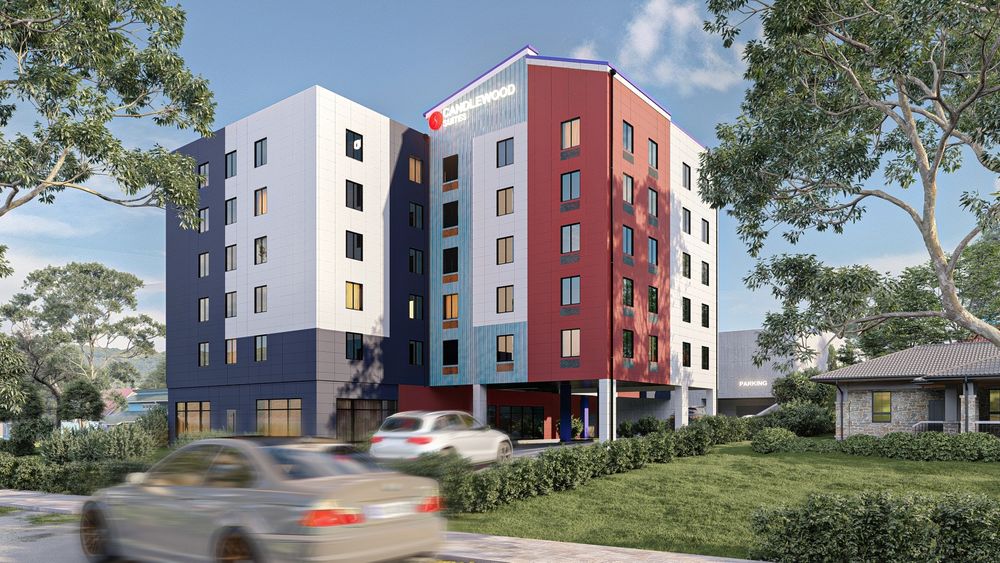
14831 Military Road South
Tukwila, WASeattle & Northwest + Hospitality
Learn MoreListing Status: Available Listing Type: Call for offers Price: $3,000,000 No. of Units: 100 Year Built: 2028 Opportunity Zone: No Price per unit: $30,000 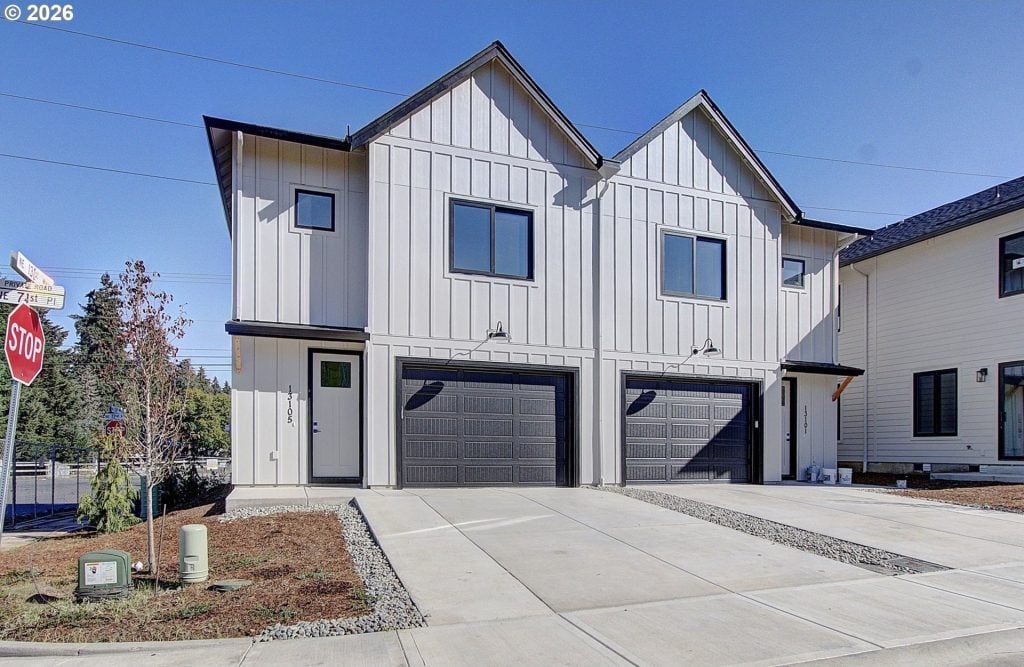
13102 NE 72ND Ave
Vancouver, WASeattle & Northwest + Apartment Buildings
Learn MoreListing Status: Available Listing Type: Call for offers Price: $8,706,000 No. of Units: 22 Year Built: 2026 Lot Size: 30060 Acres Opportunity Zone: No Price per unit: $395,727

