



National CRE News In Your Inbox.
Sign up for Connect emails to stay informed with CRE stories that are 150 words or less.

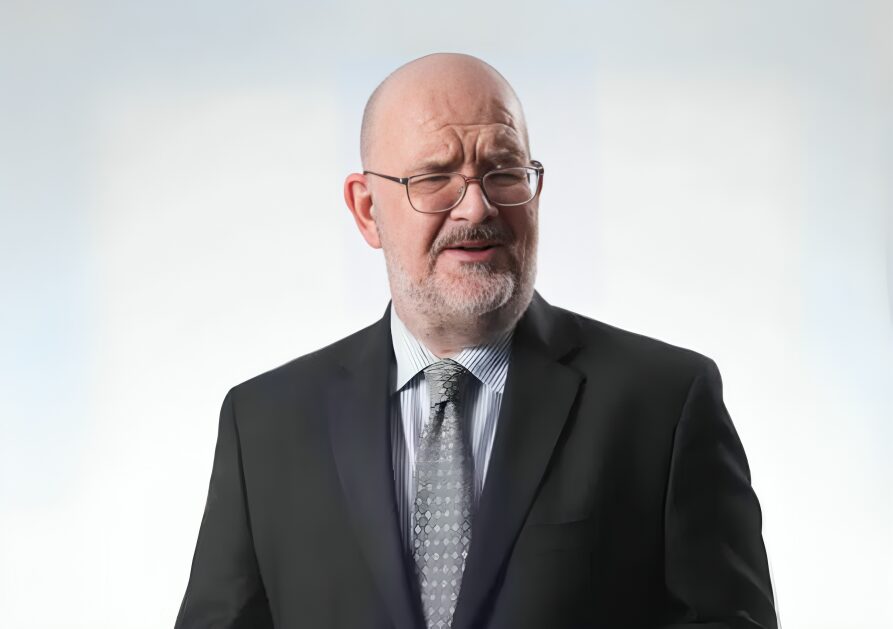
Avison Young CEO: “You Have to Take the Bull by the Horns”
Headlines earlier this week implied that Avison Young restructured its debt following a downgrade from S&P, but that isn’t the whole story. In fact, the company has had the transaction in the works for months, while the downgrade itself was based more on a technicality.
“Fifteen months ago, we identified that what was going on with central banks was going to be a problem,” Avison Young CEO Mark E. Rose told Connect CRE. With the Federal Reserve and other central banks worldwide taking a hawkish stance on interest rates, “the very clear understanding of what our industry was facing was, ‘we don’t know if this will be the worst cycle, but it’s going to be bad.’”
Given the looming impact of what has proven to be multiple rate increases on commercial real estate transaction volume, Rose and his team moved proactively, launching talks with its investors this past summer. “Why wait and have something dictated to you?” he said. “You have to take the bull by the horns. You have to go to your stakeholders and say, not ‘what are we going to do?’ but ‘here’s what I think we should do. Are you on board?’”
The stakeholders all came aboard, and Avison Young negotiated a transaction by which its financial obligations were reduced by more than half and the company secured additional capital to advance its strategic goals. “100% of the people approved this deal, are still in this deal, are standing by the company,” said Rose.
The transaction was finalized without the need to go to court, make changes in management or downsize the company’s ranks. “Everything that we’ve needed to do has already been done,” Rose said. “All of this is behind us so that Avison Young, its stakeholders, its people and its clients can all look forward.”
He added, “You cannot negotiate like this if people don’t believe in your management team, your strategy, where you’re going and what you’ve done.”
Nor would the deal have been feasible if there were financial stress or distress in the equation, he pointed out. Moreover, “could we really have acquired the retail part of Madison Marquette on Jan. 3 of this year if we were in distress? You do realize that’s an impossibility.”
S&P’s downgrade came about because, on paper, the company missed third- and fourth-quarter interest payments on its senior secured term loan. In fact, under the agreement Avison Young reached with stakeholders, those payments weren’t actually required. However, given the information that was publicly available on Feb. 23—the restructuring agreement wouldn’t be announced until Monday of this week—the rating agency was obligated to issue a downgrade.
That downgrade is likely to be short-lived, though. Following the close of the restructuring transaction, Rose said, “they have to come in and re-rate you and take it back up.”


