



National CRE News In Your Inbox.
Sign up for Connect emails to stay informed with CRE stories that are 150 words or less.
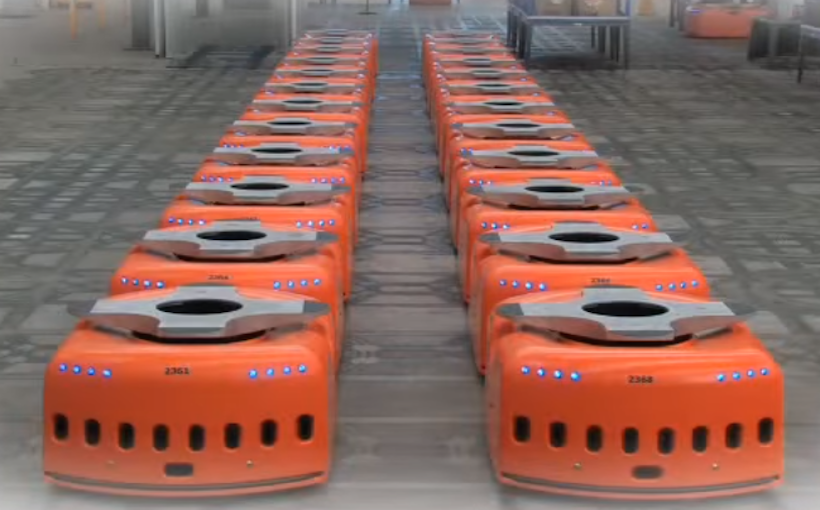

Assessing Retail’s Robot Apocalypse
The upheaval sweeping across the retail sector is as palatable as it is real. Yet, store closings and consolidations have also been accompanied by an e-commerce boom that’s bringing more jobs in the U.S. than traditional stores have cut. Interestingly, those jobs typically pay better as a result of worker productivity.
So, the anxiety over automation, artificial intelligence and a job-destroying robot apocalypse may actually be unfounded. That’s because companies don’t use automation simply to produce the same thing more cheaply. Rather, they are in search of ways to develop new products or improve the ones they have, which in turn results in new sales and ultimately hiring more people.
Boston University School of Law economist James Bessen found numerous times when technology was supposed to destroy jobs, but the opposite happened. Though disruptive, ATMs were predicted to reduce the number of bank tellers, but over time, in part as a result of more efficient branches, total employee ranks have risen because banks opened up more branches.
While retail is easily the largest U.S. industry under digital disruption, strong evidence suggests e-commerce hasn’t reduced overall employment and has likely added to it. Despite brick-and-mortar job losses, when jobs at fulfillment centers are factored in, total e-commerce employment has grown 401,000, nearly three times the brick-and-mortar drop, and in some cases with jobs that pay on average 31% better.
For comments, questions or concerns, please contact Dennis Kaiser


