



California CRE News In Your Inbox.
Sign up for Connect emails to stay informed with CRE stories that are 150 words or less.


Apartment Renovations Are Smart Moves Today
It would be easy, and certainly understandable, given the challenges faced in 2020, for an apartment owner to believe holding off any capital expenditures to improve an asset is the best decision, yet there are a host of smart and compelling reasons to consider executing a renovation now by those who hold multifamily properties.
Mike Rovner, President of Mike Rovner Construction, explains the decision to act sooner starts in the area of property maintenance. Rudimentary improvements can ensure the value of an investment is preserved and enhanced by making sure a property is operating at peak performance and that requires diligent upkeep.
It is wise to examine all elements at a property to determine its’ needs and priorities. For instance, owners need to consider the new ordinance passed in California. “Balcony Law” SB-721, in which all balconies, decks and walkways (wood based elevated structures) must be inspected by Jan 1, 2025. In order to remain in compliance, a property will need to complete inspections and repairs to those areas or face fines.
Owners should also assess their property’s position in the marketplace to determine if a repositioning and revitalization program needs to be executed to remain competitive and maximize ROI. While that may entail a more extensive strategy and plan, the time and investment is worth considering because it adds value and generates greater returns in the long run.
Rovner says, “It is no secret, nice buildings rent faster in any environment and tend to attract the best tenants, too.”
Eliminating Uncertainty
The uncertainty in today’s market is creating hesitation by some multifamily owners, primarily because they don’t know where rents are going to be in six to 12 months. Rovner notes that these challenges have stopped some planned projects and/or paused decisions about moving forward with a new property renovation.
Repositioning a property now becomes a strategic decision a company can make rather than waiting until the chaos has settled down. Today, owners will find the construction market has changed in their favor. There are more contractors available to perform the work. Owners will generally be able to engage top quality contractors who can also deliver better service adds Rovner. Owners could realize additional cost savings now compared to pre-Covid times as well. That shift may mean an owner can now afford to do a renovation project.
Rovner says, “If you believe in the market and the fundamentals, there’s no reason to hold back getting ahead of the curve.” Proper planning, budgeting and prioritizing can eliminate the uncertainty of the future.
New Opportunities
The opportunities Rovner is seeing more of these days include repositioning’s and adaptive reuse of commercial properties into multifamily projects. Given the fact that in California many people are not moving out of their apartments, there hasn’t been much vacancy in apartment properties – and their work-from-home schedules don’t permit renovations of a unit. Conversion projects make sense too, because the state faces a severe housing supply crisis. Future office demand may decrease in the view of some owners, thus converting the vacant space to housing creates a revenue stream for them and serves as a solution to the housing crisis, he notes.
Rovner is also seeing hotel properties being converted to small-unit or micro residential properties now. A hotel property is a good candidate for conversion to residential because “the pieces are there to build it out for residential. We may need to add a piece or two, such as a Micro kitchen area or some basic elements.” The hospitality market is changing, with the introduction of Airbnb’s and the like, the availability of long-term rentals and a steady revenue stream is becoming the norm.
Over the past two decades Rovner has seen multifamily owners shift their renovation plans according to rent growth or declines. Typically, they reposition properties as rents increase and hold off when they go down. But even in slower growth or stagnant markets, he’s found ways to get projects to pencil out. This is usually achieved by conducting pre-construction pricing analysis with developers and owners.
Converting offices, theatres, warehouses and even hospitals have allowed owners and developers to expand their portfolios, create additional revenues and provide the much-needed housing throughout their communities.
Next Cycle
Among the biggest factors that favor moving forward on a renovation now is smart owners see beyond the current conditions and want to get set up for the next cycle. Rovner says, “They know that in one to two years the market will likely change, and they want to start getting ready for it now. They understand if they want to get ahead of the curve they need to act today.”
That may mean looking at land leases, HUD or tax credits to execute a long-term plan of completing upgrades over the coming years. That long view allows them to still move forward because they understand it is a business model that operates under a 30-year runway, notes Rovner.
“These are owners with long term holds and not flippers, so they move forward as they can with a well-crafted investment strategy,” says Rovner. He notes those who bought at the top of the market over the past two or three years and paid a premium may be wise to hold back because a renovation doesn’t make sense at this time. But that approach may not suit a multifamily owner with “significant equity on an under-leveraged property that is in a good position to take advantage of attractive pricing,” he adds.
Repair or Renovate?
Savvy owners are looking to execute a renovation to stand out versus the competition and generate ROI.
But there’s a couple of ways to consider improvements at a property. A property typically can save on its operating expenses if it tackles needed maintenance repairs. That encompasses such things as addressing plumbing leaks or fixing electrical problems, as well as preventative maintenance. The long-term savings will be captured in a maintenance budget.
Another route to consider is a property renovation that pays off because it allows owners to push rents. Rovner notes the shrewd ones know that when they complete a renovation over the next couple of years it can make sense in year three.
Rovner says, “Multifamily owners who deliver shinier properties and fancier amenities create curb appeal, and ultimately they generate premium rents.”
Among the amenities owners are seeking to add today include common space because they know that need will come back. “People cannot congregate now, but they need that, and smart owners want to be ahead of the curve.” That encompasses adding or enhancing such areas as community rooms, fitness centers, and lounges so residents can hang out.
There’s also a demand to create curb appeal for the property. People want to be proud of where they live, notes Rovner, so adding architectural design elements, railings, fencing or painting helps create an environment that appeals to people
It all adds up to the fact that there are compelling reasons to move forward on a multifamily property renovation, despite the challenges faced in 2020. Savvy owners understand executing a renovation now can pay long-term dividends.

Apartment buildings for sale
Check out the latest properties available on apartmentbuildings.com
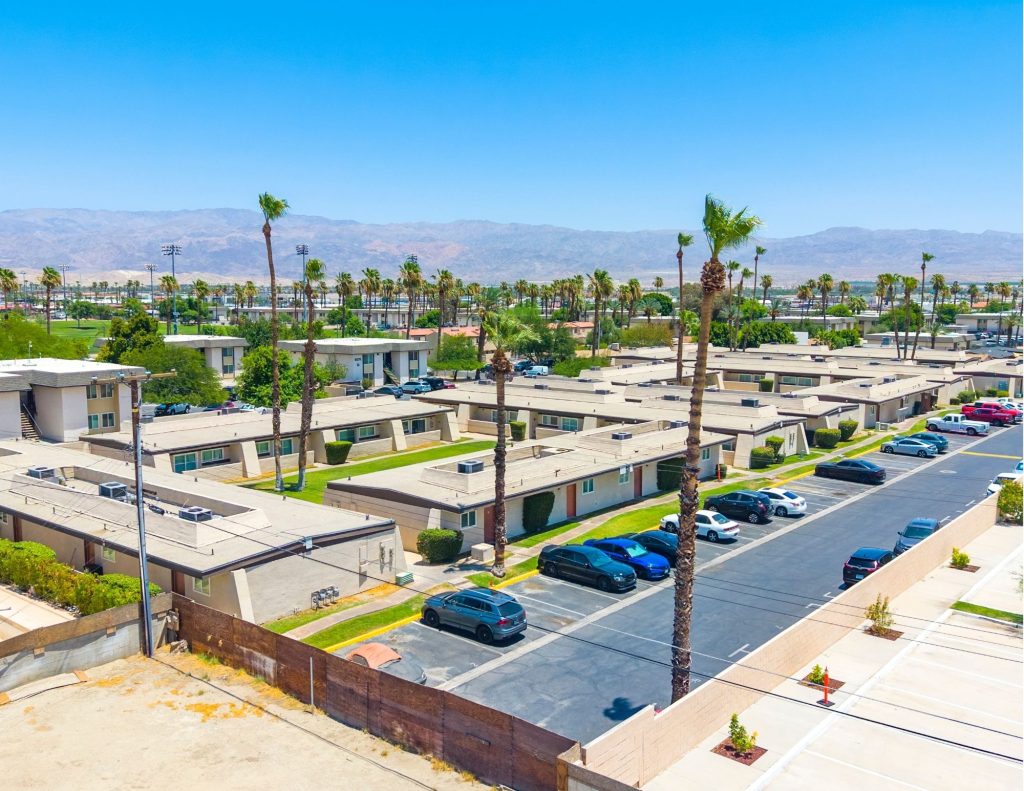
Casa Serena Apartments | Multifamily Property in Indio, CA
Indio, CACalifornia & West + Apartment Buildings
Learn MoreListing Status: Available Price: $8,400,000 No. of Units: 51 Cap Rate: 6.61 GRM/GIM: 9.13 Year Built: 1982 Building Size: 29376 Sq ft Lot Size: 106286 Acres No. of Stories: 1 APN: 612-064-001 to 612-064-052 Opportunity Zone: No Price per unit: $164,705 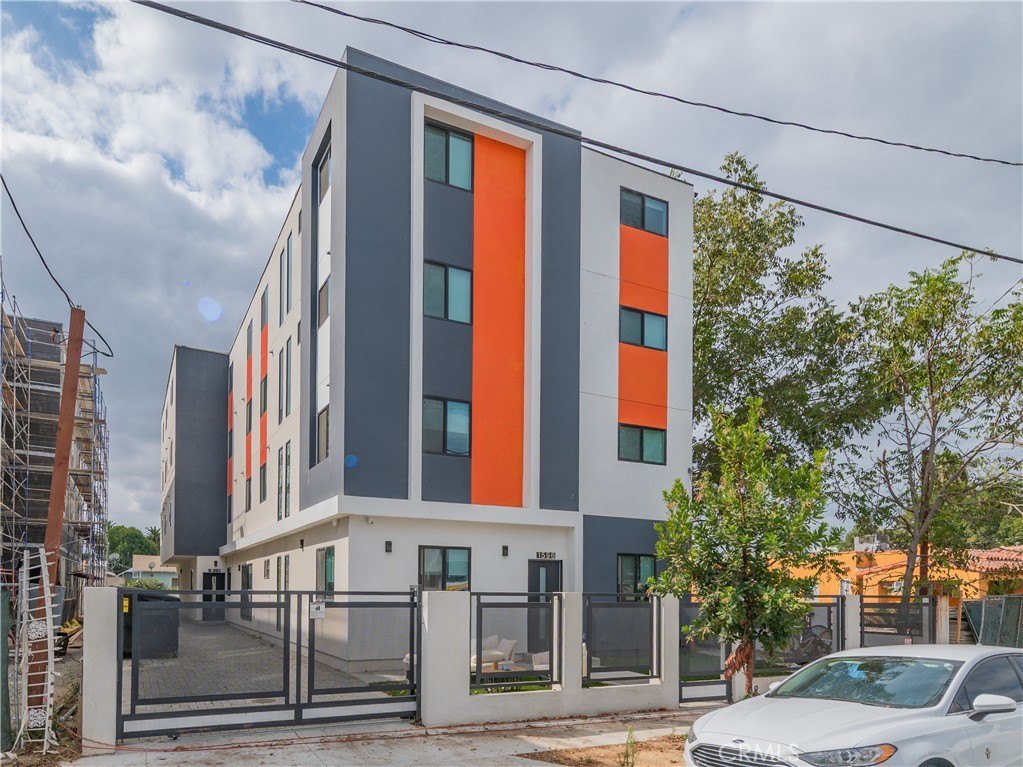
1598 W 36th
Los Angeles, CACalifornia & West + Apartment Buildings
Learn MoreListing Status: Available Listing Type: Call for offers Price: $6,500,000 No. of Units: 45 Year Built: 2025 Opportunity Zone: No Price per unit: $144,444


