



National CRE News In Your Inbox.
Sign up for Connect emails to stay informed with CRE stories that are 150 words or less.

Amazon’s Not Alone: Retail Investment Happened Here, Too
Although grocery store openings declined by 29% in 2017, investment in grocery-anchored shopping centers witnessed an increase of 5.3% since 2016. According to JLL’s 2018 U.S. Grocery Tracker Report, this was one of the only retail sectors that saw growth.
While Amazon made headlines with its acquisition of Whole Foods, the grocery market (pun not intended) expanded the most in Virginia, North Carolina, and California, whereas Texas saw its growth taper off from its strong expansion in 2016.
In 2017, the grocers that were most successful shared these commonalities: creating and growing private label brands; selling fresh, healthy and affordable products; and focusing on omni-channel opportunities like delivery services, curbside pick-up, and mobile integration.
The data from 2017 cooks up a story of its own, but what’s next for grocery retailers in 2018? JLL predicts these trends:
- smaller, more focused stores to enhance the shopper’s experience
- the use of blockchain to improve food safety, recalls and inventory management
- data-driven technology to tailor products to consumers
- partnerships and consolidation between grocers and non-grocers for “one-stop shops”
- rapid checkout process to save time
JLL’s director of research in the Americas James Cook said, “Grocery is considered to have a moat around it to defend against e-commerce, [so] retail property investors [see these assets] as a safe investment.”
For comments, questions or concerns, please contact Daniella Soloway

Apartment buildings for sale
Check out the latest properties available on apartmentbuildings.com
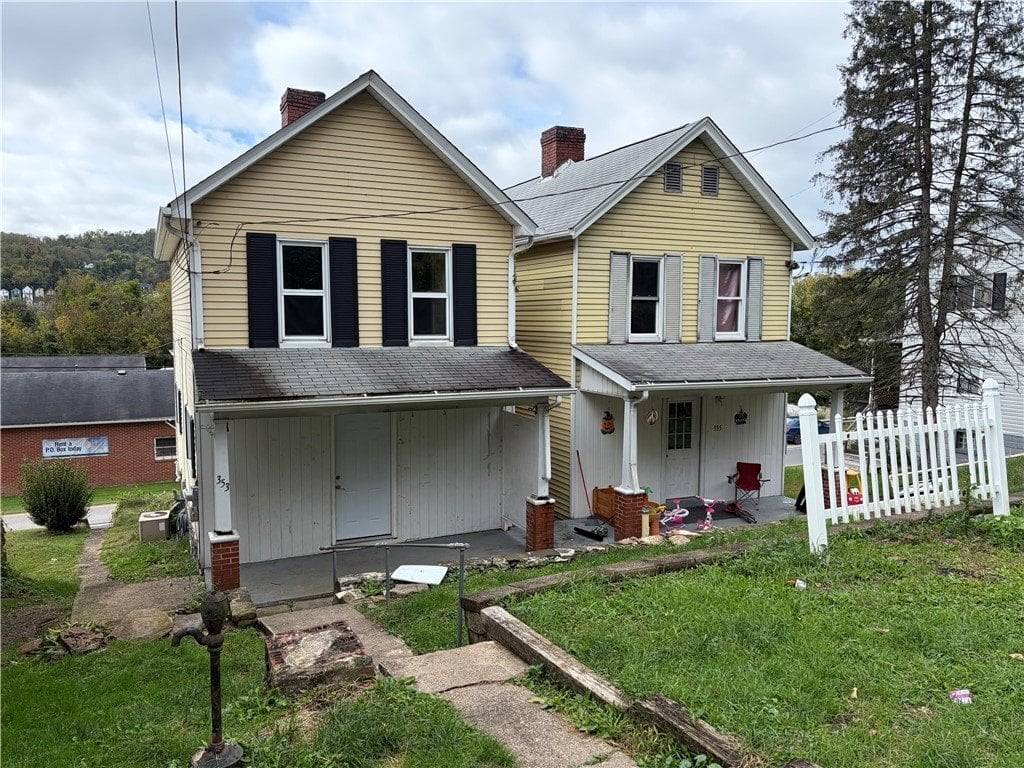
353-355 3rd St
Belle Vernon, PANew York & Tri-State + 2-4 Units
Learn MoreListing Status: Available Listing Type: Call for offers Price: $99,724 No. of Units: 2 Opportunity Zone: No Price per unit: $49,862 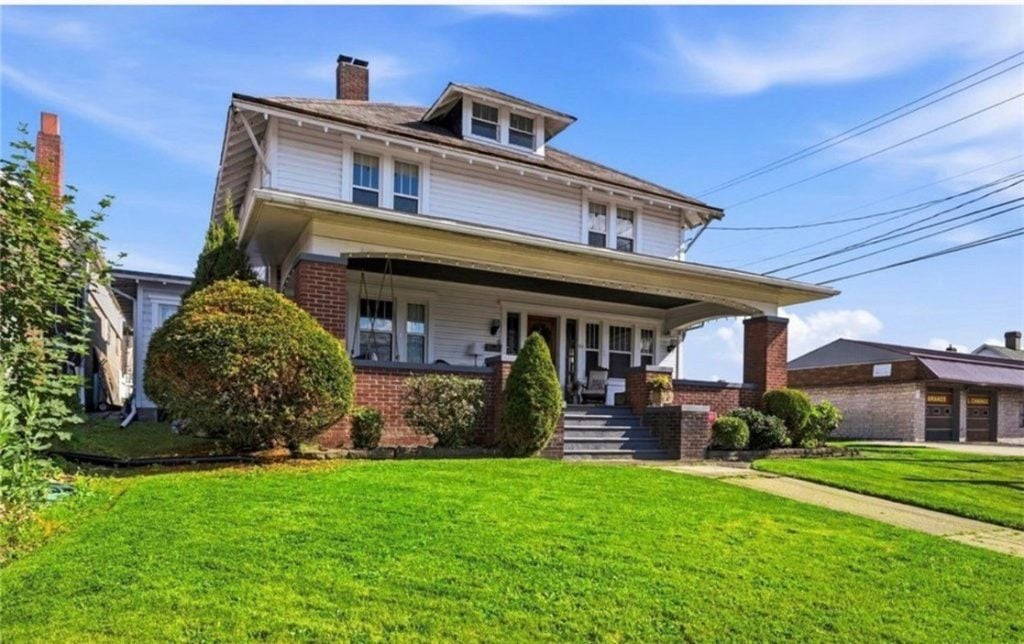
500 Broad Avenue
Belle Vernon, PANew York & Tri-State + Apartment Buildings
Learn MoreListing Status: Available Listing Type: Call for offers Price: $2,000 No. of Units: 1 Year Built: 1903 Opportunity Zone: No Price per unit: $2,000


