



National CRE News In Your Inbox.
Sign up for Connect emails to stay informed with CRE stories that are 150 words or less.
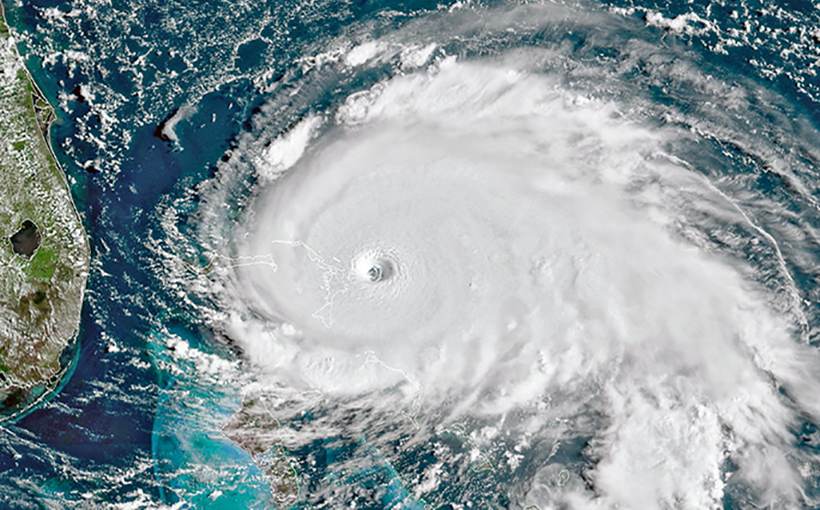

After the Storm is Gone . . . Functioning in a Post-Hurricane Environment
As of this writing, Hurricane Dorian is forecast to brush Florida’s east coast and spread its wrath on Georgia and the Carolinas. The storm is likely to be very destructive. And, while plenty of advice exists when it comes to hurricane preparedness, continued apartment operations after the storm are important, as well.
The National Multifamily Housing Council (NHMC) and National Apartment Association (NAA) offer specific webpages filled with advice and resources for apartment owners and property managers. Some of the advice provided after the storm has hit and moves on, includes the following.
- A checklist developed by the New Orleans Apartment Association following Hurricane Katrina suggested that management and maintenance staff must return to complexes and properties as soon as possible to assess damage and answer residents’ questions.
- The same checklist suggests that, if the U.S. Postal Service isn’t delivering mail in a storm-damaged area, to set up a P.O. box outside of the damaged area, and direct mail there.
- Owners with storm-damaged properties should contact their loan servicers as soon as possible. The U.S. Department of Housing and Urban Development (HUD), for example, has information about loan servicing, use of owner reserves, insurance loss drafts and more.
- When it comes to storm damage, HUD also has information on how to address environmental hazards, including mold, asbestos, radon, lead and more, during the renovation process.
- Furthermore, HUD has plenty of information that addresses disaster resources and recovery. The goal of HUD’s Office of Multifamily Housing (according to the website) is to help ensure a building’s quick return to service, maintain key operations during and after a disaster, and support safety, preparation and recovery of residents.
- The bad news is that, unless a property owner has federal flood insurance, FEMA doesn’t offer much in the way of assistance. However, the SBA does have loans available for up to $2 million for business assets, which include damages to buildings, machinery and equipment, and inventory.
The NMHC — and other organizations — also stress the importance of staying in touch with residents and tenants throughout the post-storm recovery process. For the most part, landlords and owners are responsible for any storm-related damage to the property. As such, it’s important to keep tenants apprised of issues including status of repairs.
Furthermore, Rocket Lawyer Inc. acknowledged that, while communication can be difficult in the aftermath of a disaster, “reasonable parties arrive at a solution more quickly. Being up front and forthright will help the repair process move much more smoothly.”
Pictured: Hurricane Dorian reaching the Bahamas
For comments, questions or concerns, please contact Amy Sorter

Apartment buildings for sale
Check out the latest properties available on apartmentbuildings.com
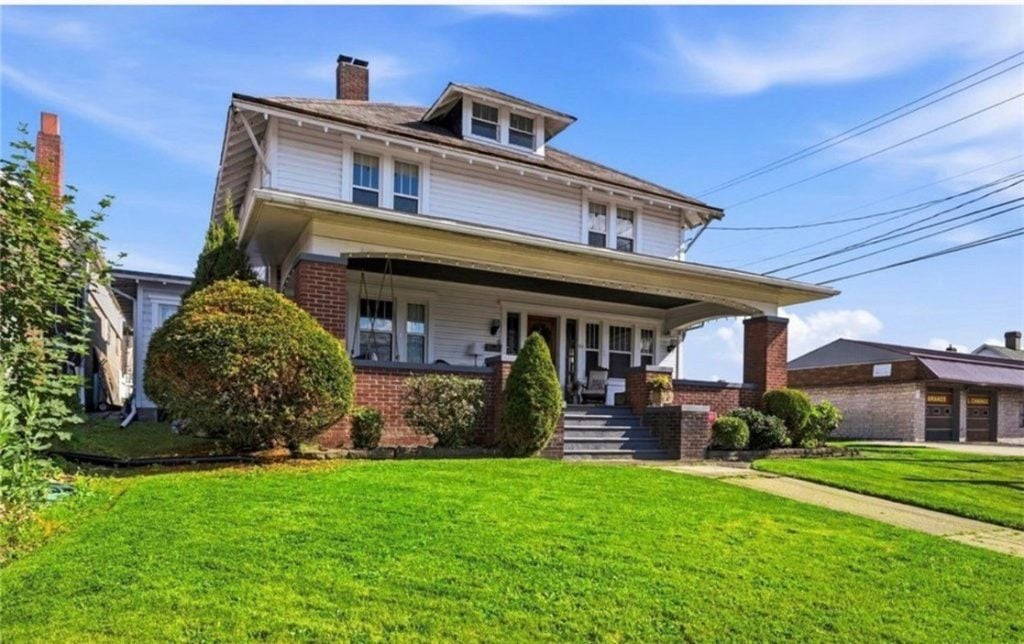
500 Broad Avenue
Belle Vernon, PANew York & Tri-State + Apartment Buildings
Learn MoreListing Status: Available Listing Type: Call for offers Price: $2,000 No. of Units: 1 Year Built: 1903 Opportunity Zone: No Price per unit: $2,000 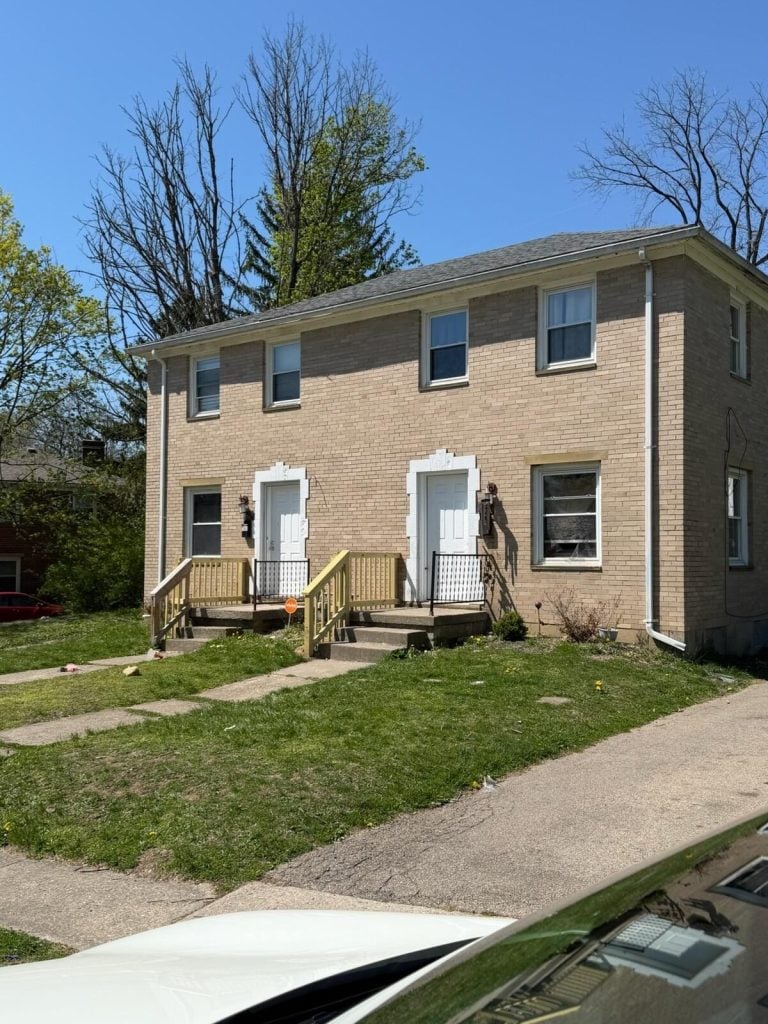
1143 Cedarview Drive
Springfield, OHChicago & Midwest + 2-4 Units
Learn MoreListing Status: Available Listing Type: Call for offers Price: $163,500 No. of Units: 2 Year Built: 1938 Lot Size: 1728 Acres Opportunity Zone: No Price per unit: $81,750


