



California CRE News In Your Inbox.
Sign up for Connect emails to stay informed with CRE stories that are 150 words or less.
After the Firestorm: CBRE’s Lew Horne and Cox Castle’s David Waite Map Out Rebuilding and Recovery
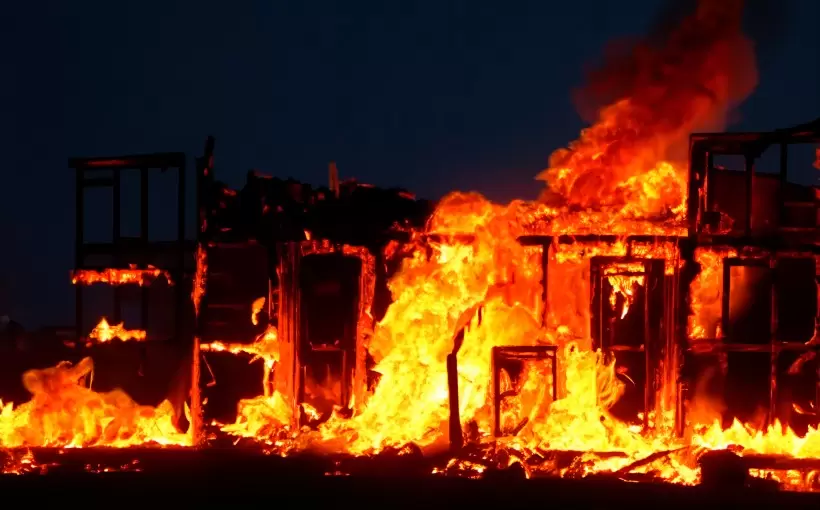
“This is a disaster of epic proportions,” said Lew Horne, President for Advisory Services for CBRE’s Greater Los Angeles, Orange County and Inland Empire region, on the devastating wildfires that tore through parts of Los Angeles County this past January. “When you see what’s happened in these communities, there is no way to be trained for this or to prepare for this.”
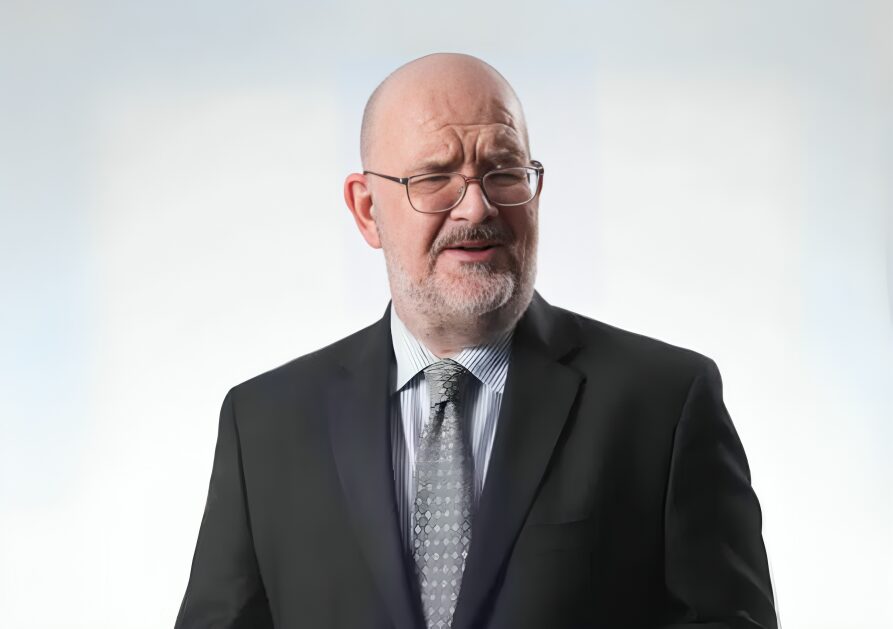
Horne and Cox, Castle & Nicholson partner David Waite appeared on a recent Leading Voices in Real Estate podcast to discuss the wildfires, the aftermath and the progress being made toward rebuilding. The two Southern California real estate leaders spearheaded a Rebuild Advisory Committee formed by the UCLA Ziman Center for Real Estate, the USC Lusk Center for Real Estate and the Urban Land Institute Los Angeles chapter, with Horne as incoming chair of the ULI chapter.
The product of that committee, which drew on the input of approximately 100 leading experts in land use, urban planning and economic development, was Project Recovery: Rebuilding Los Angeles After the January 2025 Wildfires. It was designed as a collaborative, living document to provide up-to-date guidance on the complex and evolving process of rebuilding.
“What David and I, among others, did was to organize a group of private practitioners that were in the legal business, in the finance business, in the development business and the real estate insurance business,” Horne said. “And we organized these nine different lanes. Then we focused on going one inch wide and a mile deep on those lanes” to provide data to the County of Los Angeles, which oversees the Altadena rebuilding, and to the City of Los Angles, which oversees efforts in Pacific Palisades. Although county and city represent “two totally different infrastructures, totally different organizations,” their needs were similar, he added.
Within the advisory group, Waite served on the Organizing and Governance Committee and as team leader on the “Implementing a Building Permit ‘Self-Certification’ Program” team. Cox Castle partner Preston Brooks was team leader on the “Hazardous Materials and Debris Management, Removal, and Disposal, and Process for Property Owners’ Safe Return” team, while his colleague Mitch Menzer served as co-team leader on the “Rebuilding infrastructure for the Pacific Palisades and Altadena” team.
Although the caliber of experts who wanted to contribute to the Rebuild Advisory Committee was never in question, the cohesiveness of their combined efforts was another matter. Waite described the proliferation of ideas and idea-makers as “whirling dervishes.” He credited Horne with devising a structure for the committee and its product, and for imposing a timetable on putting together the report: four weeks to do the research and finalize the document.
“That structure is what’s so replicable about what we did in terms of what can happen in the future with other circumstances like this,” said Waite.
Along with the scale of the devastation—nearly 24 million square feet of homes and other structures destroyed in wildfires that consumed 40,000 acres between Altadena and Pacific Palisades—there are the ongoing complexities of cleanup and rebuilding. The permitting process is a case in point: Waite pointed out that getting plans approved by the City of Los Angeles can take a year or more because there are 13 different departments that need to sign off.
Self-certification—in which “licensed architects professionally self-certify the plans and specifications as being compliant with all applicable building codes and building requirements” could reduce that approval timeframe to 30 days, Waite said. “We are really happy that both the city and the county embraced that recommendation.”
Six months after the wildfires, “there’s still a lot of analysis that is ongoing,” said Waite. “The infrastructure piece of it, in my mind, is still a leading-edge issue. What about the water and the sewer systems? How much of that was damaged, and to what extent? What can be repaired? What needs to be replaced? We don’t know the answer to that. We want to underground the utilities. We think that makes a ton of sense. There’s no reason not to do it. This is the time to do it, but what’s the cost and how do you pay for it?” That’s just one of many logistical and financial questions that will come up in the next such natural disaster, Waite and Horne emphasized on the podcast.
- ◦People
- ◦Policy/Gov't

