



National CRE News In Your Inbox.
Sign up for Connect emails to stay informed with CRE stories that are 150 words or less.

Adaptive Reuse: Not Just for Office or Residential

StorageCafe’s recently released report, “Out With the Old, Enter Self Storage” explained that annual deliveries of space in the 2020s topped 64 million square feet.
The write-up shared another fun fact: self-storage adaptive reuse has been expanding, with converted facilities making up approximately 10% of the nation’s total inventory.
“Owners are increasingly embracing conversion projects—repurposing existing buildings to expand inventory in markets where zoning hurdles and limited land make new development difficult,” the report explained.
“Over the past decade, self-storage adaptive reuse has boomed, accounting for more than half of all conversions, or about 108 million square feet,” Mirela Mohan, senior editor and co-author of StorageCafe’s Adaptive Reuse Report, told Connect CRE. “This growth aligns with rising demand, as self-storage has become a well-established service growing alongside the residential sector.”
The Conversions, Defined
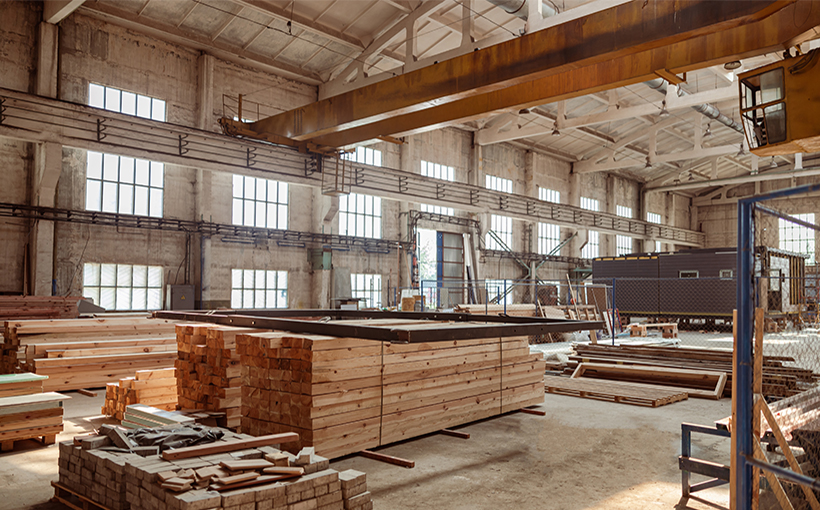
Mohan explained that conversion to self-storage uses involves re-adapting an existing structure, which might include “reworking both the interior and exterior of the building to add storage units, HVAC systems and other amenities needed for a fully functional facility.” The adaptive process, on average, can be completed in approximately one year.
The most common types of buildings suitable for conversion are retail spaces, office buildings, and industrial properties. Mohan explained that other facilities, including bowling alleys, movie theaters, car dealerships and schools.
Mohan noted that conversions can be cost-effective ways to add storage space to a region, especially when newer buildings are used. However, “for multi-story buildings, the upper floors must be structurally sound enough to support the weight of fully built-out storage units,” she said. Ceiling height is also an issue; successful projects aim for 10 feet or higher to accommodate lighting, sprinklers, and HVAC systems. “This is where a structural engineer becomes essential,” Mohan advised.
The Conversions, Located
The report indicated that metro areas, including Chicago, Brooklyn, Manhattan, Philadelphia, and St. Paul, are among the nation’s leaders in repurposed space for self-storage use.
Additionally, Sun Belt cities, including Irving, TX, Los Angeles, CA and Fairfield, AL, are “some of the markets with the highest volumes of conversion projects under construction in the country,” the report said. Additional areas of activity include Cranston, RI and Buffalo, NY.
Mohan explained that limited land inventory, combined with high demand and a supply of vacant or historical buildings, is driving the move to self-storage reuse in these regions. “With ground-up construction more difficult in these areas, developers are turning to older structures from the cities’ industrial past to create storage facilities that meet local needs,” she added.
Caveat Developer
Before developers jump into changing that empty office building or vacant industrial property into a self-storage facility, they need to consider the following challenges:
Zoning issues. Mohan called this a “major hurdle” as “some areas simply aren’t zoned for self-storage, which can halt a project.”
Building conditions. Not all buildings are ideal for self-storage use—and age matters, too. “The older the structure, the more complex and costly the rehabilitation can be,” Mohan said. Some might require roof modifications, partial demolition or a complete overhaul of HVAC systems, which can extend timelines and boost costs.
As such, developers shouldn’t jump into self-storage conversion without assessing local demand, reviewing local zoning and regulations and evaluating the facility’s condition and scope of anticipated renovations.
Design also matters. According to Mohan: “developers should decide whether a single-story or multi-story layout best fits their goals, as single-story facilities often allow for easier drive-up access.”
Even with the obstacles, self-storage adaptive reuse benefits include turning vacant structures into usable facilities, creating jobs and encouraging reinvestment. Such actions can also stave off urban decay and preserve existing, vintage architecture.
“Overall, self-storage conversions are an effective way to meet local storage demand while catalyzing neighborhood reinvestment,” Mohan said. Additionally, converted facilities can also come online more quickly than ground-up developments, allowing operators to serve customers sooner and more efficiently within their communities,” she added.
- ◦Development


