



California CRE News In Your Inbox.
Sign up for Connect emails to stay informed with CRE stories that are 150 words or less.

3 CRE Q&A: ULI LA Discusses Transit-Oriented Trends
By Dennis Kaiser
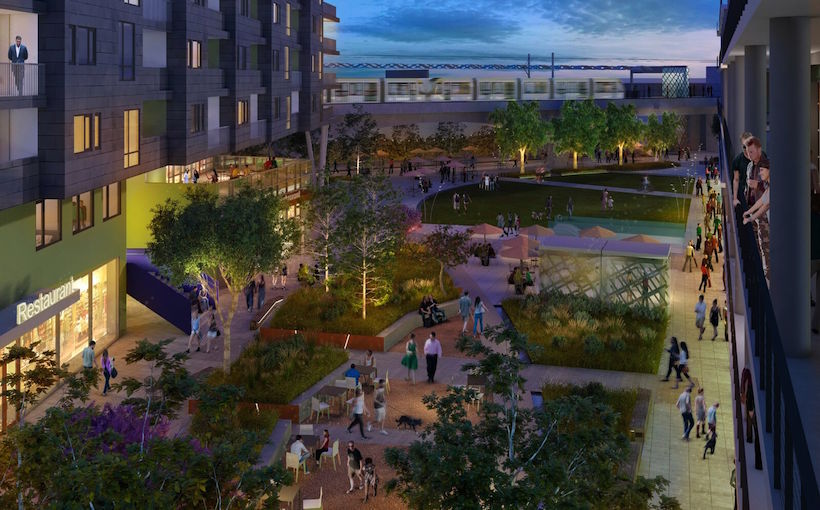
ULI Los Angeles is hosting Transit Oriented Los Angeles 2016: Planning for Transit on October 4 in DTLA. The event features leaders in the transportation, planning and CRE development community offering the latest tools, opportunities and case studies. Connect Media asked Killefer Flammang Architects’ Jonathan Watts, AIA, who chairs ULI LA’s Building Healthy Places initiative, to share why transit-oriented projects are emerging as a central focus in L.A.’s development activity.
Q: What’s driving the trend toward L.A. becoming more transit-oriented?
A: Great question. L.A. is becoming more transit-oriented because it has to. The driver has been the decision three decades ago to build a robust light rail system. The outcome now is that, finally, development is catching up and creating a real opportunity to live, work and play without a car. Now, there is a noticeable trend to ditch the car and not sit in traffic. Moving forward, if the trend is driven by certain age groups and occupations, can it spread to other demographics, ages, neighborhoods to be the prevalent form of development and, therefore, place-making?
Q: What is the CRE sector’s expected role in helping advance transit-oriented projects?
A: Push for zoning changes. Take bold steps in land acquisition at stations. Provide for bike parking, and stop over-providing car parking. Create space for people to socialize and connect….be generous.
Q: How are transit-oriented projects reshaping the region? What do you see on the horizon?
A: This is a chicken and egg issue, unfortunately. The transit lines have been planned to serve existing areas of commercial and residential density. While that’s a good thing, it’s not creating radical change in urban forms. However, it is creating incremental change, which is good. There are more and more developments, and community-making developments which are changing neighborhoods. We have to focus on each project responding to transit, and push. What can happen is an inter-connected city with great opportunity.

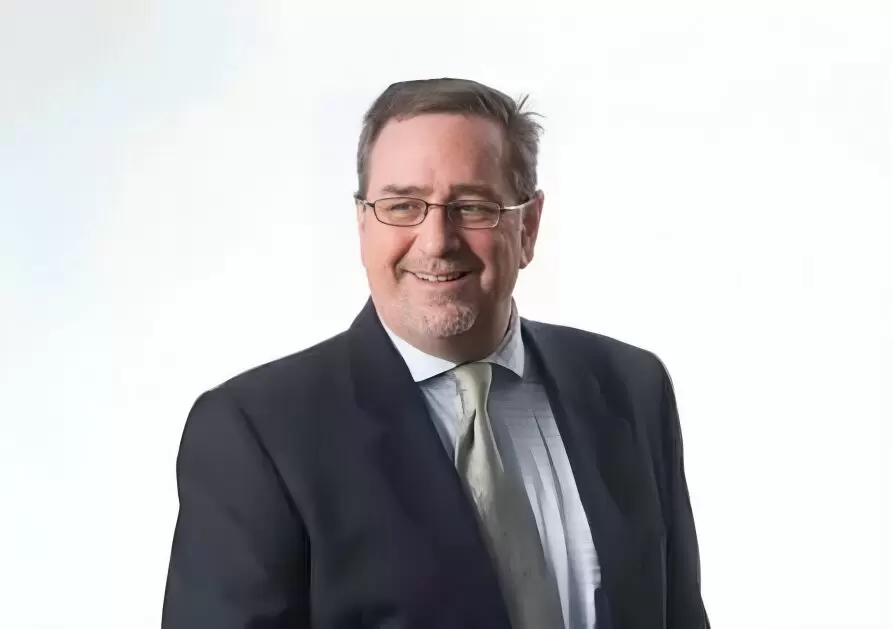
Killefer Flammang Architects’ Jonathan Watts, AIA
For comments, questions or concerns, please contact Dennis Kaiser
- ◦Development

