



National CRE News In Your Inbox.
Sign up for Connect emails to stay informed with CRE stories that are 150 words or less.


3 CRE Q&A: Rethinking Today’s Retail Leasing Strategies
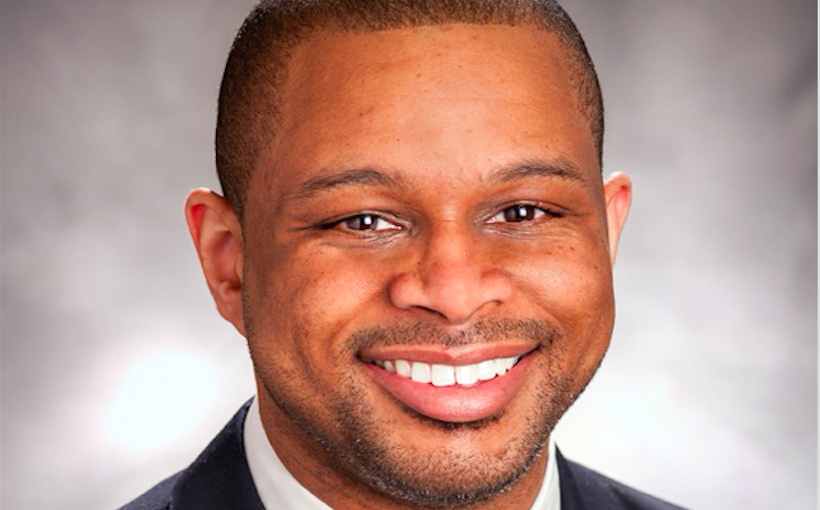
By Tony Banks, Wolf Commercial Real Estate, LLC/CORFAC International
Q: With the retail sector facing high vacancies and low investor confidence, how worried should owners be?
A: Owners should be no more worried than they should be with any other type of investment, as owners are also investors. I think having a healthy amount of fear/respect typically should allow for a well thought-out plan and a bit of ingenuity. Brokering may need to take on a more responsible role going forward, as a great location will always be a bit easier to fill, but secondary and not-so-stellar locations need to embrace more localized-based brokering concepts and strategies that tie into national trends.
Owners will have to figure out how to appropriately price their space to create a level of feasibility and sustainability, the types of perks that will help bring in existing and new businesses and in some cases be selective of the types of business they’re bringing. Maybe even asking themselves: ‘Can I see the business existing for at least five years at my site? Will they add to the existing businesses? Will they draw or deflect future tenants and patrons/consumers to my site?’
Q: What can retail property owners do to attract tenants in today’s market?
A: The traditional definition of retail as a place to sell goods and services to consumers has evolved. Today, retail is the voice of the consumer being heard. If there’s a “magic bullet” strategy, it’s listening to your consumer base and creating spaces that serve the needs of that specific community.
This goes back to the point of a localized approach, truly understanding the retail needs of the community and ability to tailor a solution. Sometimes that means doing something out of the box, that another broker might miss. It’s no longer just about ‘the old way of doing things.’ We’re dealing with a more informed consumer today, and as a result we have to also be more informed and able to provide solutions.
Look at how companies are embracing smaller concepts as an alternative to the traditional big box. Ultimately, this will lead to some leveling of the field. It’s no longer just about filling the 75,000-square-foot box with one user. Now you can create a variety of stores that will increase the overall draw and appeal, while minimizing the risk of an empty store if a retailer goes out of business. I think any time you get the ability to diversify risk, it’s a good thing.
Q: Online grocery sales are expected to increase over the next decade—how will grocery-anchored centers adjust to this change?
A: I think this will depend more on the grocer than the center itself. Centers will be fine if they’re anchored by the “it” grocers, with high customer loyalty and a plan for adapting to internet sales.
For others, it may be more about getting out of your comfort zone. Recognition is the first step. Owners will have to realize that grocery stores may not have the ability to draw traffic they once did. However, this does not mean your center has lost the ability to draw consumers. Here’s where creativity and an understanding of the market’s needs can make the difference.
This isn’t just about grocery stores—the market is re-thinking what it means to be a retail anchor tenant.
Draw and appeal factors are much more important to a center’s success than the sheer size of its largest tenant. For example, if an anchor tenant accounts for 60% of the shopping center’s total square footage but draws only 30% of traffic and sales, while a retailer that occupies 10% of the space accounts for 40% of consumer activity, which tenant is really the center’s draw? Brokers need to think in these terms to help owners make their centers successful.
For comments, questions or concerns, please contact Dennis Kaiser
- ◦Lease


