



Texas CRE News In Your Inbox.
Sign up for Connect emails to stay informed with CRE stories that are 150 words or less.


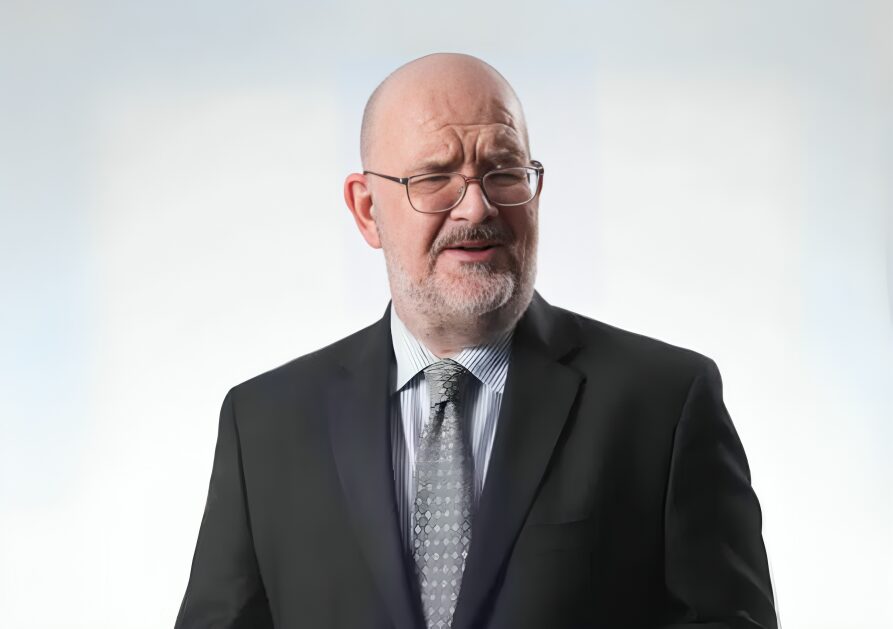
San Antonio Retail Market and the Pandemic: Q&A with Weitzman’s Robert King
Weitzman’s new report on the San Antonio retail market shows the COVID-19 pandemic’s impact on occupancy remains fairly limited. Robert King, senior vice president with Weitzman in San Antonio, covers some of the report’s key findings.
Q. How has occupancy fared during the pandemic?
A: The market has seen a number of closings, and we hate to see any retail business go dark because of this pandemic. But other than five closings from Pier 1, three from Gold’s Gym and one from Tuesday Morning, the San Antonio market so far has avoided the pandemic-related permanent closings from large-format users like JCPenney, Macy’s and Sears that we’ve seen in other Texas markets.
San Antonio now reports occupancy of 94%, compared to 94.5% at year-end 2019. We do expect an additional vacancy increase through year-end, followed by an uptick in occupancy in 2021.
Q: How optimistic do you feel about the market now and going forward?
A: Cautiously optimistic! We’re in one of the most challenging times ever for our retailers. But we entered this downturn after back-to-back years of healthy performance and a decade of near-historic low retail construction that has kept oversupply to a minimum.
That overall health, combined with programs like PPP loans and area landlords’ willingness to work with tenants on workouts that often include rent deferrals, can help retailers get to the other side of this crisis if a health solution to the pandemic is found in the near future.
We expect to see retailers changing the way they operate going forward. More restaurants will require drive-thrus and-or curbside parking, and most new leases will see tenants requesting “COVID Language” in their leases.
Q: What about new construction? While the pandemic challenges both retail leasing and the economy, the benefit of low construction is on track to continue.
A: For calendar-year 2020, the metro area is forecast to add approximately 330,000 square feet in new and expanded projects with 25,000 square feet or more. By comparison, for 2019 the market reported approximately 868,400 square feet, which also was a conservative amount.
For comments, questions or concerns, please contact Paul Bubny
