





A Nuanced Landscape – March 25, 2024
The latest edition of Weekender includes a story outlining some of the big-picture reasons that those anticipating a string of reductions in the effective federal funds rate (EFFR) shouldn’t hold their breath. Among other factors, there was the recent testimony of Federal Reserve Chair Jerome Powell before Congress.
“Reducing policy restraint too soon or too much could result in a reversal of progress we have seen in inflation and ultimately require even tighter policy to get inflation back to 2%,” Powell said in prepared remarks earlier this month. “At the same time, reducing policy restraint too late or too little could unduly weaken economic activity and employment. In considering any adjustments to the target range for the policy rate, we will carefully assess the incoming data, the evolving outlook, and the balance of risks. The [Federal Open Market Committee] does not expect that it will be appropriate to reduce the target range until it has gained greater confidence that inflation is moving sustainably toward 2%.”
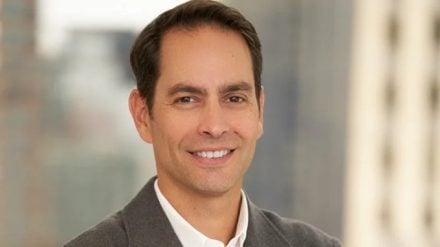
Kind of hard to argue that the guy in charge would retreat from achieving his stated goals. After the FOMC voted last Wednesday to keep the EFFR where it is, Tower Capital co-founder and managing partner Adam Finkel penned some thoughts about the implications of the Fed’s policy on investors and other commercial real estate stakeholders.
“Despite holding rates at a restrictive 5.25% to 5.5%, the highest in over two decades, the Fed hints at potential rate cuts later this year, recognizing the impact of current rates on U.S. households and small businesses,” wrote Finkel. “This move, while aimed at controlling inflation, presents a nuanced landscape for investors and companies within the commercial real estate sector.”
One of the groups caught up in the impact on borrowing costs is potential tenants, Finkel pointed out. “Small businesses, often reliant on credit for expansion, may find the current high rates challenging, affecting their ability to lease or purchase commercial spaces. This could lead to a short-term slowdown in demand for retail and office spaces, especially in less economically vibrant areas.”
When the rates eventually start coming down, there may be implications that ripple beyond a reduction in borrowing costs. Rate cuts could make CRE more attractive as an investment and give investors greater confidence, wrote Finkel.
Further, Finkel pointed out the discrepancy in interest rates. “The gap between short-term and long-term rates, notably the relatively low yield on long-term bonds, suggests that investors are expecting the Fed to succeed in controlling inflation without derailing economic growth. For commercial real estate, this could mean sustained investor interest, especially in stable, income-producing assets.”
Key to all of this is the Fed maintaining a balance between inflation control and economic growth. “The delicate balance the Fed aims to achieve between controlling inflation and not stifling economic growth is crucial. Effective management could support a healthy commercial real estate market, as inflation control without inducing a recession would maintain demand for space and possibly encourage new developments,” Finkel wrote.
In this environment, there will be opportunities along with challenges, and Finkel advised that for investors and developers, “staying informed and adaptable to these changes will be key to navigating the market successfully.”