




Behind many successful commercial real estate projects are public- and private-sector organizations hard at work to align developments with community goals. Among the stakeholders are economic development experts.
Whether economic development is under a municipality’s purview or operates as a separate non-profit entity, the goal is to ensure that CRE projects lead to positive outcomes that support businesses and residents.
Economic development experts working in California-based organizations recently told Connect CRE that successful economic development professionals and commercial real estate developers share the same objectives.
“When done correctly, economic development and CRE professionals should be partners in helping one another find success,” said Christopher Kennedy, the economic development project manager with the city of Huntington Beach.
While the economic development side promotes opportunities and guides projects through zoning, permitting, inspections and entitlements, commercial real estate attracts quality tenants, adding value to a region.
The True Purpose of Economic Development
Economic development corporations and city economic development divisions do more than help close real estate deals or expedite permitting processes. They’re charged with improving a region’s economic well-being and quality of life by supporting job creation, business growth and a stable tax base.
This involves robust partnerships with commercial real estate developers, brokers and owners.
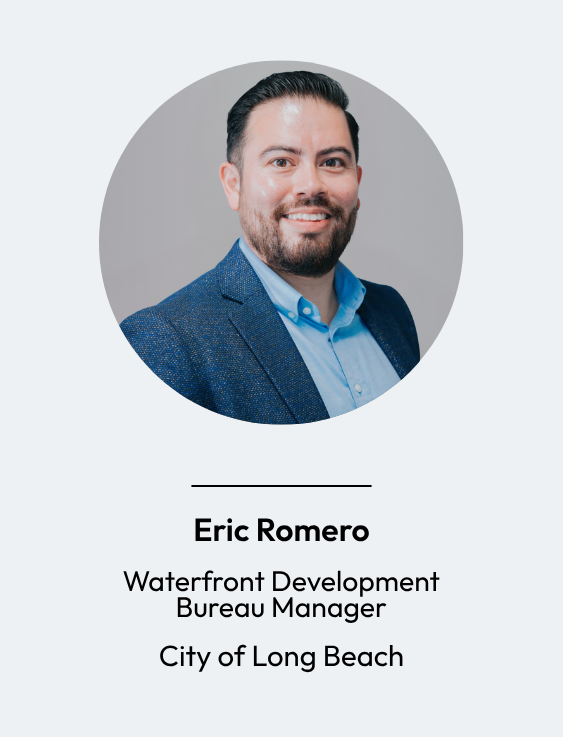
“We help developers, investors, and brokers understand market opportunities, connect with city, community and business leaders, troubleshoot challenges and champion projects that address community needs,” said Eric Romero, who serves as waterfront development manager for the city of Long Beach’s department of economic development & opportunity.
Economic development entities can also serve as a bridge between businesses, developers, brokers and local governments.
“They offer a third-party perspective that helps show how a project, if done correctly, can benefit everyone involved,” Kennedy said.
Tools of the Trade
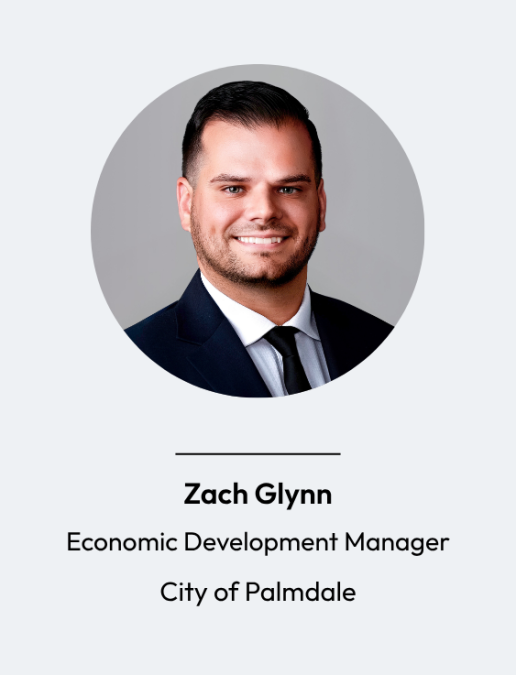
The experts noted that economic development organizations offer a range of tools to support viable commercial real estate efforts. These can include workforce development programs, job fairs and assistance with licensing, permitting and entitlement processes. City of Palmdale Economic Development Manager Zach Glynn said that the local efforts often include partnerships with job agencies and targeted industry incentives.
For example, Palmdale partners with America’s Job Center of California to provide workforce development and job training services, while connecting employers with qualified workers. “This helps ensure that new projects in Palmdale benefit area residents the most,” Glynn said.
Palmdale also offers industry-specific incentives through its Aerospace Incentive Program, which provides up to $500,000 for new construction projects or up to $125,000 for businesses signing new leases within the city.
“The incentive supports the local aerospace industry while advancing industrial corridor development, which brings much-needed, high-quality jobs to Palmdale residents,” Glynn said.
The Right Proposals
One challenge that can separate even the best-intentioned economic development organizations and commercial real estate stakeholders is misalignment around project goals and community needs.
For example, a developer might propose a mixed-use project in a market where the community’s more pressing need is industrial or office space.
That’s why successful economic development partnerships require ongoing communication and relationship-building rather than a single meeting or exchange of emails.
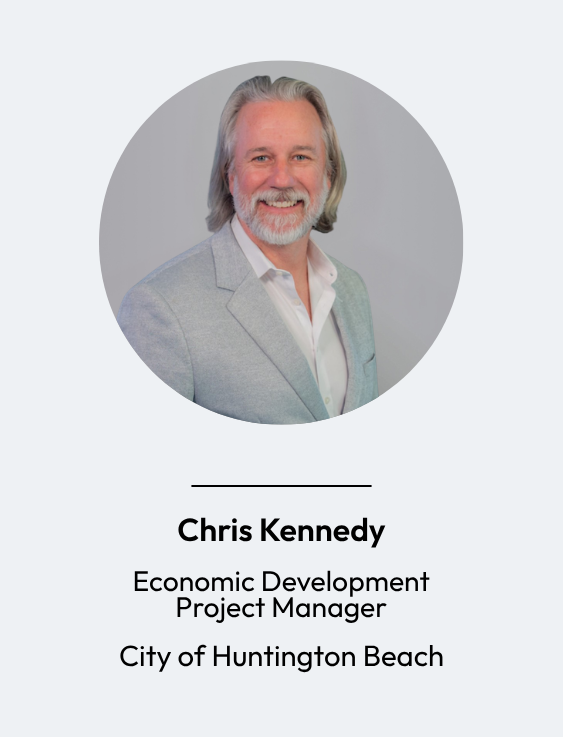
“The ideal partnership starts with early conversations between ownership and leadership on both sides,” Kennedy said.
“Brokers and investors should feel free to reach out to us as early as possible,” Glynn added. “The more informed our city staff is on a project, the more they can provide guidance and support.”
The experts said strong communication between economic development organizations and CRE stakeholders can help create proposals that generate collaboration rather than friction.
Glynn explained that Palmdale is focused on increasing housing stock. As such, projects that directly or indirectly support housing development can be especially valuable.
Additionally, “projects that demonstrate a commitment to being good neighbors, such as those that positively contribute to the surrounding business community, are responsive to local concerns, and integrate well with nearby residents and businesses, are especially important,” Romero said.
In return, economic development organizations help ensure that appropriate sites are matched with the right businesses.
“The city leans on its active real estate developers and brokers to maintain an inventory of available land and buildings,” Glynn said. “This allows us to connect potential businesses to the appropriate developer quickly.”
Economic development entities also work to identify suitable tenants, support tenant retention efforts and assist businesses looking to expand into a market, Romero explained.
Moving Forward
As municipalities continue facing budget pressures, regulatory changes and economic uncertainty, solid partnerships between economic development organizations and commercial real estate developers and owners are expected to become even more important.
“EDCs have the advantage of being able to raise funds through their nonprofit status,” Romero commented. “This gives them greater flexibility to support economic development initiatives and facilitate complex transactions. This also positions them to bridge gaps in resources, accelerate project timelines and provide the kind of financial and technical support that helps move priority developments forward.”
Meanwhile, Glynn said economic development organizations will also continue helping developers navigate regulatory challenges while coordinating across departments and agencies to move projects forward.
“We’re here to work across agencies to find solutions, whether through policy changes or changes to projects,” he added.
Kennedy emphasized that economic development organizations are not intended to serve as gatekeepers, but as collaborative sources focused on long-term community success.
