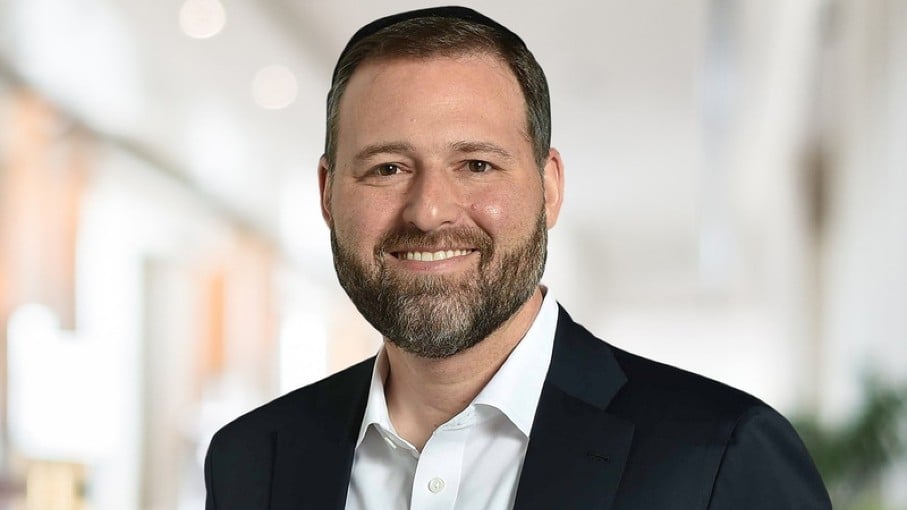
2026 Multifamily Leadership Series: David Schwartz, Waterton
Multifamily is the focus in the fourth year of Connect CRE’s annual Leadership Series. We invited 18 apartment heavyweights to provide their unfiltered views of the current market, its challenges and opportunities. The insights of these power players have been collected in a downloadable report, and we’re also presenting them individually, in alphabetical order. Here, David Schwartz, Chairman and CEO of Waterton, shares his insights.
Are the markets and products you’re investing in and developing changing?
Our target markets remain similar, although we are more cautious in many markets, mainly due to regulatory issues and excessive supply. We continue to pursue investments across the spectrum, from high-quality workforce housing to Class A product and suburban to urban infill product. We’ve noticed that markets with low supply seem to only need modest economic growth to attain operational improvement. As far as development, we are primarily interested in lower-density, surface-parked and well-located development in markets where supply is forecast to be very low in the years we expect to deliver product. We are also active in multifamily mezzanine and preferred equity investments.
Has the debt market changed compared to a year ago, and if so, how?
There are abundant debt options available, especially given the increase in agency multifamily lending caps, as well as banks and debt funds becoming competitive for short-term options. However, treasury rates remain elevated as of late, due to an uptick in inflation, triggered by the war in Iran. We expect elevated rates to continue, but are also watching how Kevin Warsh, the new Fed Chairman, may signal his stance towards the overnight rate.
Is the equity environment improving for development? What is the impact, if any, of rising gas prices and inflation?
Development equity will continue to be challenging to access for developers. While subcontractor costs are currently reasonable, we are keeping an eye on if, and how, higher inflation may increase costs on the margins and potentially elevate borrowing costs. We’re also monitoring whether lower labor supply, due to immigration policy, will begin to have an inflationary impact on construction costs.
Absorption has increased this year. Is that due to a slowdown in development or other factors?
Absorption has been surprisingly strong given lackluster job growth, virtually no population growth and very low immigration. We believe this is due to high retention rates, very high costs of for-sale housing, relative affordability of renting versus buying, and continued strong demand for rental housing. However, we are seeing lower population growth reduce labor supply, which is stunting employment growth and creating economic uncertainty. This has led to renters staying in place for longer, which has improved renewal rates at the expense of new lease trade outs, nationally.
Will we see an increase or decrease in rent prices this year?
We believe rents will be flat to low single digits nationally for 2026. There are only a handful of markets with strong positive rent growth like the San Francisco Bay Area, Chicago and New York. Many Sunbelt markets remain negative or flat due to record deliveries over the past 3 years.
Lower-income households spend more of their income on paying rent. Where does a solution lie?
As rents decline or remain flat nationally, particularly in the Sunbelt, lower-income households should actually be paying less of their income on rent, as there continues to be wage growth across all income brackets. It is a particularly advantageous time to be a renter, as homeownership costs remain extremely expensive due to high interest rates, but rent growth has been weak or negative despite wage growth. We believe a solution lies in continuing to allow development. As we have seen over the past 2-3 years, higher supply reduces price growth.
Give your young self some advice.
Focus on what you are good at.
Waterton is a privately held real estate investment and management firm focused on U.S. multifamily and hospitality properties. Founded in 1995 and based in Chicago, it held roughly $10.1 billion in real estate assets across more than 25 U.S. markets as of March 2026.
Click here to read the series.
2026 PDF DownloadRelated Leadership Stories