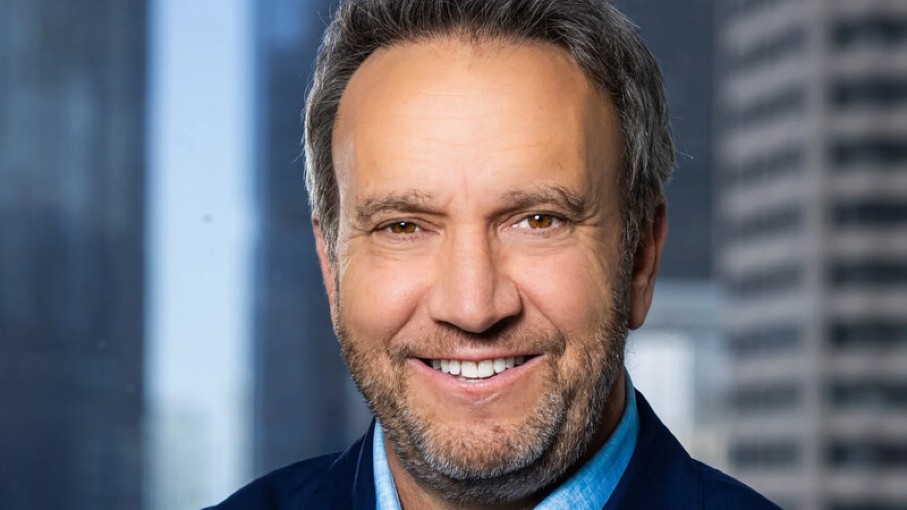
2026 Multifamily Leadership Series: Ray Lawler, Hines
The multifamily sector is the focus in the fourth year of Connect CRE’s annual Leadership Series. We invited 18 apartment heavyweights to provide their unfiltered views of the current market, its challenges and opportunities. The insights of these power players have been collected in a downloadable report, and we’re also presenting them individually, in alphabetical order. Here, Ray Lawler, Head of Americas at Hines, shares his insights.
Are the markets and products you’re investing in and developing changing?
What’s changing most is not our belief in certain sectors, but the way we evaluate opportunity in this environment. After several years of volatility and repricing, the market is rewarding precision much more than broad sector calls. That means being more selective by market, by submarket, and ultimately by asset. The reason we have boots on the ground in all major cities in the U.S. is for moments like these, when the ability to select at that level of granularity is required to succeed.
We continue to see strong conviction in multifamily because the housing shortage remains significant. We are focused on markets with strong demand, limited new supply pipelines, and the potential for long-term rent growth. In this environment, multifamily continues to stand out as one of the clearest places to invest and develop with conviction.
Is the equity environment improving for development?
For the right project, the financing is there. What has changed is not the availability of equity so much as the level of discipline behind it. In today’s market, capital is showing up where the fundamentals are clear and the path to performance is credible. In the U.S., that is especially true in living: housing undersupply, attractive rental dynamics, and limited near-term competition from new development.
That said, capital is still disciplined. It’s not flowing indiscriminately into every market or every deal. Investors want strong local underwriting, realistic construction assumptions, and a clear path to demand. In this kind of environment, experienced operators with strong local market knowledge are better positioned to move ahead of broader market signals, particularly in living, where the long-term demand story remains among the strongest in real estate.
Absorption has increased this year. Is that due to a slowdown in development or other factors?
In living, it is largely a function of supply and demand coming back into better balance and, increasingly, a real lack of new supply on the horizon. Development activity has fallen sharply from its cyclical peak, and in many U.S. apartment markets the future pipeline has thinned considerably, which begins to relieve competitive pressure across the sector. At the same time, renter demand remains healthy. So improved absorption is not just about one factor; it reflects continued demand meeting a much thinner supply pipeline. That dynamic should support occupancy and rent growth, especially in markets where new deliveries are slowing the most.
Will rising gas prices and inflation affect development?
Rising energy costs and inflation touch every corner of the economy, and multifamily development is not immune. We’ll see an impact mainly through construction costs, financing conditions, and resident affordability. Energy volatility can feed into broader inflation, which in turn influences interest rates and capital costs. At the asset level, how efficiently a property operates and how utility costs are structured and recovered matters more than ever. Energy is no longer just an operating line item; it increasingly shapes underwriting and long-term asset performance. In multifamily, that means an operator’s edge is crucial to delivering performance. Being even more disciplined about cost assumptions, efficiency, and resilience from the outset.
Give your young self some advice.
Say yes, “run to the roar” and remember that it’s the journey that teaches us the most about our destination.
Founded in 1957 and headquartered in Houston, Hines is a global real estate investment, development and management firm operating across the Americas. Its Americas Living platform oversees residential communities totaling more than 45,000 multifamily and senior housing units.
Click here to read the series.
2026 PDF DownloadRelated Leadership Stories