





The Old School – July 13, 2026
Schoolhouses are now the fastest-growing source of residential conversions as enrollment drops in many regions of the U.S.
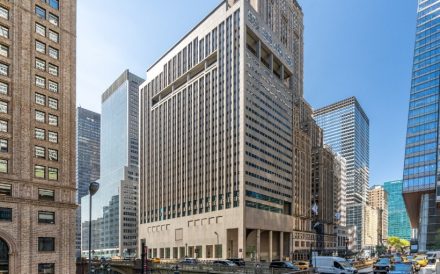
A structural emergency at the former Pfizer headquarters in Manhattan has led to a temporary halt in construction activity at what is planned to be one of the largest office-to-residential conversions in the U.S. It illustrates the complexities of adaptive reuse, especially in dense urban environments.
However, disused office buildings do not represent the fastest-growing source of residential conversions. That distinction falls to schoolhouses, especially older schoolhouses.
Citing RentCafe data, The Wall Street Journal reported last week that nearly 2,000 apartments were created from former school buildings in 2024. That represents a fourfold increase from the previous year. At the start of 2026, there were 9,320 such units in the development pipeline, up from 7,710 two years earlier.
It’s not an entirely new idea: the circa-1897 elementary school this writer attended was converted to apartment use decades ago. But it’s an idea that meets the moment, with birthrates dropping and public-school enrollment declining in favor of private and charter schools.
In fast-growing Austin, TX, 10 schools were closed at the end of the academic year. “Part of the reason that we’re closing schools is because we can’t afford to operate them,” Jaime Miller, the school district’s interim officer of operations, told the WSJ. “The upkeep is a continual drain.”
Three of the properties that Austin shut down were just approved for sale or long-term ground lease and will likely become housing, Miller said. Developers are also turning the site of a former Austin elementary school into more than 600 mixed-income apartment units, with priority given to teachers, according to the WSJ.
School-to-residential conversions generally don’t offer that kind of scale. The WSJ cited a Southbridge, MA conversion that turned a former junior high school into 62 apartments. What they do offer are classrooms that are already apartment-sized, large windows, tall ceilings and wide hallways. In addition, they tend to be centrally located and come with onsite parking.
“You would not get the same thing in a modern apartment,” Daniel Heuberger, partner at Dattner Architects, told the WSJ. The firm converted Manhattan’s PS 186 school into housing.
However, these conversions can pose challenges. “Transforming a classroom into a living room is far more complex than it appears on paper,” according to a blog posting on e-a-a.com. “Developers must overcome significant hurdles related to outdated infrastructure, such as plumbing, electrical systems and modern safety compliance.”
Additionally, school buildings often present “irregular floor plans that do not intuitively fit residential layouts,” the blog points out. “Crafting functional spaces out of hallways, auditoriums and gymnasiums requires a high level of expertise and creative problem-solving.”
There can also be issues with the school’s physical condition. The WSJ cited the example of PS 186, which suffered a partially collapsed roof and missing windows before conversion. Added to which, a tree was growing in the middle of the building. Beyond the property’s physical status, zoning laws can also present hurdles for school conversions.
Yet developers may find that both local government and local residents are on their side. “Residents are happy to see the school building preserved in a way that ensures it continues offering community benefits,” while municipalities are glad to see the upkeep of the property taken off their hands, reported the WSJ.
We’re likely to see an increasing supply of surplus school buildings across several regions of the U.S. in years to come. The larger implications of these demographic shifts for residential developers and owners represent a conversation beyond the scope of this column.