



National CRE News In Your Inbox.
Sign up for Connect emails to stay informed with CRE stories that are 150 words or less.
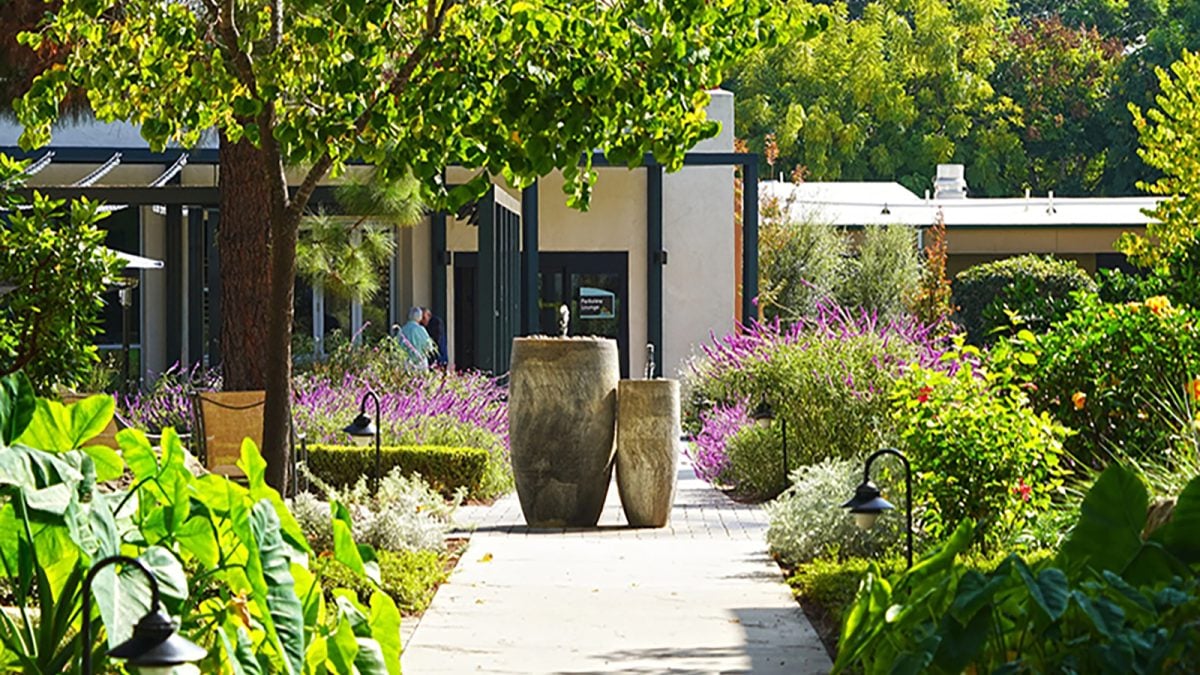

Senior Living Facilities: Don’t Forget the Outdoor Space
Pictured above: Vista Del Monte, Santa Barbara, courtesy of McCullough Landscape Architecture

Modern senior living properties have been shifting from bland, clinical models to highly amenitized ones, complete with fitness centers, beautifully decorated dining spaces and yoga studios. Even assisted living and memory care properties are being built with lifestyle and hospitality in mind.
However, many of those improvements and upgrades might not make it to the great outdoors. According to landscape architect David McCullough, senior housing outdoor space is just as important as what’s happening indoors.
“Outdoor environments should be prioritized from the outset as an essential part of the overall design, rather than an afterthought,” McCullough told Connect CRE. “It’s truly about taking the residents’ day-to-day lifestyle into account when designing for the end user.”
The Misconceptions
McCullough, who heads McCullough Landscape Architecture, said the biggest misconception about seniors and housing is that their lifestyles are like those of previous generations.
However, today’s seniors are more active and healthier than those in days of yore. “Many of the same activities that middle-aged people see today are the same as modern-day seniors,” McCullough said. “Tennis, pickleball, cooking and general socialization are just as relevant for today’s seniors.”
Another potential misconception is the cost. McCullough acknowledged that capital investments to develop and maintain outdoor spaces can vary depending on demographics, location and purpose.
“Each level of care comes with different spatial and functional requirements,” he said. “For example, in memory care, secure and separate outdoor areas are often necessary.”
McCullough explained that the value added per square foot in outdoor designs can be disproportionately lower than that required for indoor spaces. In fact, when considered and applied strategically, those exterior environments can generate a decent return on investment, relative to their costs.
At the same time, “when these elements aren’t planned for upfront, retrofitting them later can be complex and costly, often requiring major site reconfigurations,” McCullough said.
The Benefits
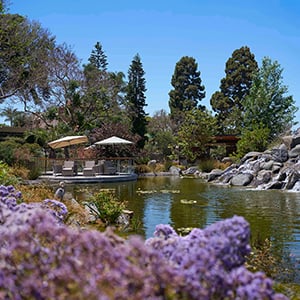
There’s little doubt that outdoor spaces benefit everyone, no matter what the age. For seniors, well-designed outdoor spaces can help address issues such as movement (which improves balance, coordination and mobility), social interaction (to reduce feelings of isolation and improve satisfaction) and the overall residential experience.
McCullough also said that studies have demonstrated that seniors involved in outdoor environments enjoy increased psychological well-being, increased Vitamin D exposure and reduced stress, depression and reliance on medication.
“These benefits are often reflected in higher usage rates, increased activity levels and improved sleep patterns,” he added.
Thoughts for Developers and Owners
Outdoor environments for seniors involve more than sticking a pickleball court in the middle of some green space. When designing and implementing exterior spaces, builders and owners should consider the following.
Different needs
Senior housing serves a variety of demographics, from independent individuals and couples to those requiring round-the-clock assistance and memory care. While the former category will do well with outdoor amenities found in many residential living offerings, the latter requires more specialized approaches.
“Assisted living should focus on accessibility, visibility and ease of movement,” McCullough suggested. “Memory care, on the other hand, must account for sensory experience and access controls.
Component considerations
While there is no single factor that creates a perfect outdoor environment for seniors, McCullough stressed that a strong connection to nature is essential. Also essential is a seamless relationship between interior and exterior spaces, “with a clear physical connection that invites people outside,” he said.
Other than that, exterior space should be designed for year-round use, regardless of climate. In colder climates, heat lamps, sun access and radiant floor heat can help ensure usability. Meanwhile, facilities in warmer climates could benefit from shade structures, fans, open breeze control and misters.
Maintenance involvement
Exteriors must be kept up to ensure health and well-being. McCullough said that active and passive approaches can be used to make outdoor spaces more comfortable and effective.
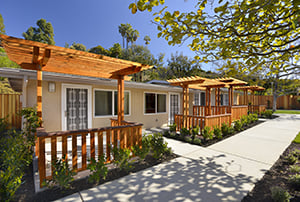
The active approach might include fire features, fans and misters. While highly effective, McCullough said they can require more hands-on maintenance.
Low-maintenance strategies rely on design to do the work. “Opening a space up to the prevailing winds, providing a deciduous tree that provides shade in the summer months and drops leaves to allow sun access in the winter months are a few examples of these solutions,” McCullough said.
Moving Ahead
Senior housing developers are increasingly recognizing the importance of outdoor spaces. As a result, “we’re seeing a growing emphasis on making these environments more intentional, usable and integrated into daily life for senior housing residents,” McCullough said.
However, determining the purpose and usage of exteriors should be more than an afterthought to the facility design and indoor amenities. McCullough said that outdoor space should be considered essential infrastructure for senior housing.
“When designed well, it can significantly improve quality of life, support physical and mental health, and strengthen the overall sense of community,” he added.
A previous version of this article was published on ApartmentBuildings.com.
- ◦Development
- ◦People


