



Atlanta & Southeast News In Your Inbox
Sign up for Connect emails to stay informed with CRE stories that are 150 words or less.


Multifamily Properties and Wellness: More than Treadmills

Not long ago, multifamily owners and operators equated wellness solely to physical fitness. This led to on-site gyms, pools and even cold plunge tubs.
“A decade ago, apartment fitness centers were single-room spaces with standard cardio and strength equipment and minimal programming,” commented Alison Mills, CRG’s Vice President of Design and Architecture.
However, Mills and other experts told Connect CRE that the concept of wellness for apartment renters has changed.
Lisa Kendall doesn’t have a problem with on-site exercise equipment. However, regarding wellness, Kendall, CEO of LIVunLtd, part of The Amenity Collective’s portfolio of brands, commented that today’s residents are looking for environments and programs to improve mental health and social welfare, along with tools to support physical well-being.
“Wellness is no longer just a perk; it’s an expectation,” Kendall explained. “We’re seeing a growing demand for boutique-style fitness experiences within larger communities, ensuring every resident finds a space that resonates with their unique wellness journey.”
Just What IS Wellness?

According to the Global Wellness Institute, “wellness” is “the active pursuit of activities, choices and lifestyles that lead to a state of holistic health.”
From the interior architecture point of view, wellness also “focuses on how people interact with the built environment and how good design improves or enhances that interaction,” said Christina Villa, AIA, RSP Architects’ Associate Principal. “We want the experience to be not just positive, but transformative and life-affirming.”
The updated definition means that “wellness extends beyond the fitness center to encompass a broad spectrum of initiatives,” Kendall said. “This shift reflects a broader understanding of wellness, driven by increased knowledge, technological advancements, and changing resident expectations.”
Mills agreed, adding that wellness today has a wider focus. “It encompasses a broader design principle that shapes the overall living experience,” she said. As such, “by prioritizing wellness-focused design principles, developers can have a profound impact on the physical and mental well-being of residents,” Mills commented.
The Factors Driving Wellness Change

What is causing the evolution of wellness-as-amenity? Some of the factors include:
- The increasing awareness and importance of mental health
- A greater understanding of social connection benefits in the pandemic’s aftermath
- The move toward sustainability and biophilic design through the use of natural materials, air purification and recovery-focused spaces
Furthermore, Villa explained that people are spending more time at home. “The line between work, life and play is growing more porous by the day,” she added.
Then, there are residents demanding a higher level of wellness amenities.
Mills and Kendall noted that renters seek more flexibility, so wellness features match their lifestyles. Technology also continues to play a role.
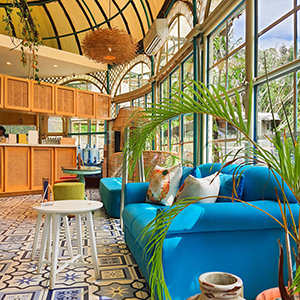
“Residents want wellness amenities that seamlessly fit into their routines, whether that means high-intensity workout spaces, peaceful meditation zones, app-based and virtual fitness options,” Kendall said.
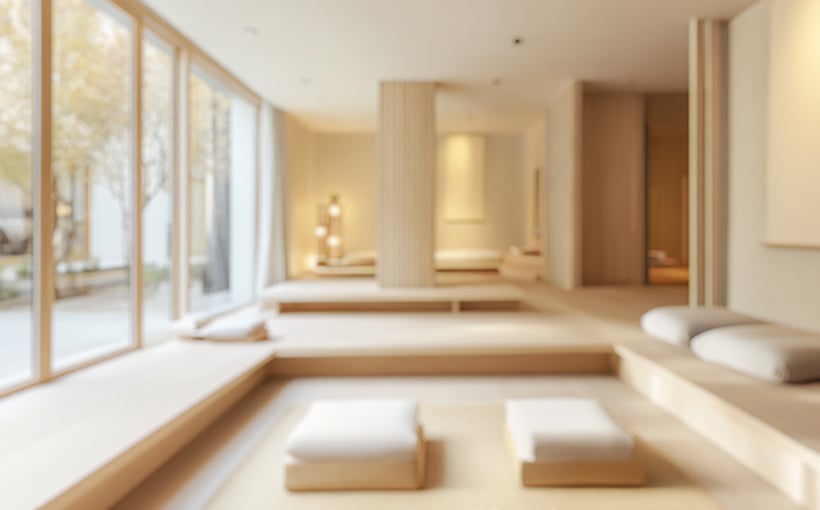
In response, apartment owners, developers, and operators are stepping up and offering meditation areas, air-purification systems, outdoor features like hike-and-bike trails, and communal spaces to foster social connections.
And yes, on-site gyms still play a role in today’s wellness strategy. “They’re evolving into social hubs, with dedicated areas for group classes like yoga, adaptable workout spaces for various activities, and communal workout areas that encourage interaction,” Mills said.
What’s in it for the Owners
Meeting tenants’ wellness demands also benefits apartment owners and operators. “It boosts resident satisfaction, lease renewals and competitive differentiation,” Kendall said.
Villa added that if people “feel good” in a well-designed building that enhances wellness, “will they be happier? Will they be more likely to renew a lease? Countless studies—and good common sense—suggest that the answer is a resounding yes.”
In addition to the above, renters are highly intelligent and have access to a great deal of information when determining where they want to live. As a result, the competition between multifamily properties is fierce.
One way a property can stand out is by offering “amenities that speak to the way residents live or aspire to live,” Villa said. “An intentional, comprehensive wellness component helps them do that.”
In addition, amenities that offer a high walkability rating, natural light, verdant landscapes, access to jogging trails, and public transportation were once nice-to-have add-ons. These days, “it’s where we start,” Villa said.
Strategizing Wellness
A multifamily property with a well-integrated wellness strategy helps improve community appeal while meeting renters’ needs. Kendall stated, “Communities with thoughtfully designed wellness spaces create a sense of belonging, fostering both personal well-being and a stronger community connection.”
Kendall said workable wellness amenities can be integrated into under-development and already-existing properties. When it comes to ground-up construction, “developers should prioritize wellness from the start, incorporating biophilic elements, natural light and multifunctional spaces that support activity and relaxation,” Kendall recommended.
Villa said that with newer buildings, wellness should be addressed from the start and during the design phase. “There is a tendency to think of wellness as ‘pixie dust’ that can be sprinkled on after a design is cooked or construction is underway. Nothing could be further from the truth,” she said.
What about apartment buildings that are already operational? These can be upgraded as well. Kendall suggested air-filtration system upgrades and transforming unused space into communal and wellness areas. “Additionally, sustainability efforts, such as upcycling fitness equipment and preventative maintenance programs, are gaining traction, reinforcing the connection between environmental responsibility and resident wellness,” she added.
Mills recommended incorporating biophilic design, including green roofs, common areas with plenty of plants and nature-inspired murals. She also said that larger light fixtures in interior-facing bedrooms can help make an indoor living environment more inviting and restorative.
Getting Ahead of the Curve
The wellness concept continues evolving. Over the past decade, it has shifted from physical strength to encompassing mental health, social relationships and nature connections. Wellness is also continuing to reshape multifamily living.
“Properties that embrace holistic, adaptable wellness strategies will foster healthier living environments and cultivate stronger, more engaged communities,” Kendall observed. As such, wellness goes beyond the next fad or trendy thing. Said Kendall: “It’s about meeting the needs of today’s residents and building communities where people feel valued.”
An earlier version of this article appeared in ApartmentBuildings.com.
- ◦Development
- ◦People


