



National CRE News In Your Inbox.
Sign up for Connect emails to stay informed with CRE stories that are 150 words or less.

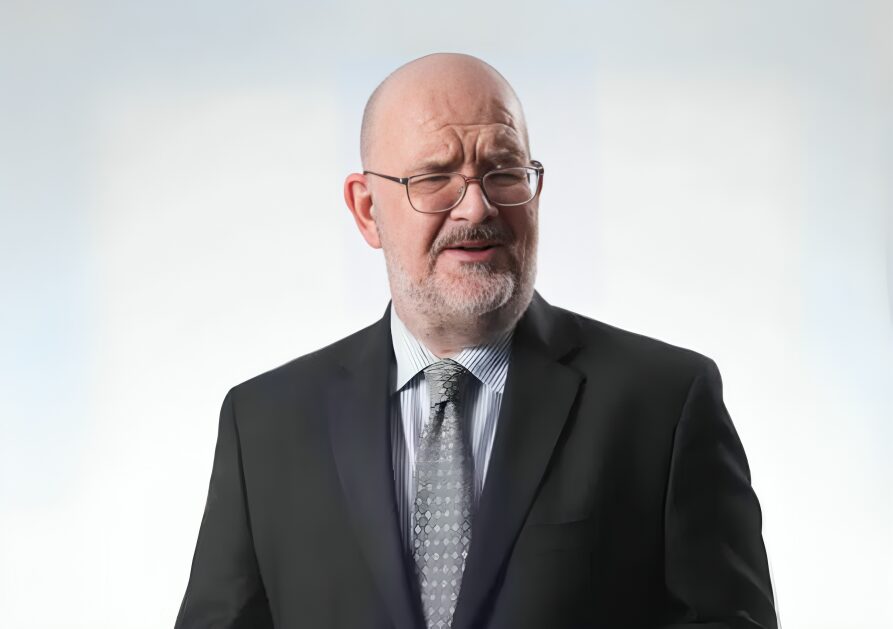
Q&A with Sustainable Capital Finance CEO Shiraz Madan
The deployment of solar and other alternative energy sources by residential and commercial developers is more complicated than the casual observer might think. There’s the matter of integrating these technologies with existing real estate, for one thing, along with paying for the 100% of installations. Enter San Jose-based Sustainable Capital Finance, which provides a variety of financing options for owners and developers. Connect CRE sat down with CEO Shiraz Madan, whose professional background spans both banking and technology. Here’s what he told us.
Q: Commercial solar has recently seen fewer financing sources. What is behind the lack of options? Why has commercial solar not scaled similarly to residential?
A: Several factors have impacted the current commercial solar landscape:
1) Net-Energy-Metering 3.0 was enacted this year, reducing the value of surplus solar energy sent back to the grid. Previously, net-metered energy was valued at retail rates; now that value is consistent with wholesale rates.
2) The cost of capital for investors has increased over the last couple of years. We’ve seen a 200-basis-point increase in capital cost, which impacts all levels of business.
3) The credit quality of commercial-scale counterparts has worsened. The economic stress following the pandemic has impacted organizations’ balance sheets. When you combine all these factors, you have fewer commercial projects that are economically viable.
Q: Aside from scale, what are some key differences and considerations for commercial installations as opposed to residential ones? Given these considerations, do you find that many clients opt for PPAs rather than paying cash?
A: Residential solar is a very uniform sector of our industry. The design, diligence, permitting and agreements are uniform and very repeatable. With solar, each project is unique: rooftop vs. parking structures, unique permitting requirements from one jurisdiction to the next, the credit analysis and agreement negotiation with our customer; all these factors can create nuances with commercial scale projects.
Q: Walk us through the SCF Suite, particularly how clients can use it to price a customized solution for their requirements.
A: That’s a good segue; the SCF Suite is a cloud-based-software application designed to create efficiencies in the Commercial Solar PPA process. The Suite’s users can price a project in real time, create several iterations of a project, submit a project for financing, auto populate proposals, term sheets and deal documents. The virtual data room in the Suite provides a centralized hub & checklist of all documents necessary for a successful project. It’s become a very powerful resource for our project partners.
Q: Where are we in terms of the growth and evolution of the commercial and nonprofit solar industry?
A: Solar for organizations has grown immensely, across the country, pioneered by California. Though we’ve faced some headwinds the last few years, the introduction of Energy Storage (to combat lower valued energy credits) and EV Charging Stations (as a revenue generator & amenity), as complements to solar, has propelled the industry forward. I think we’ll see California, once again, pioneer the adoption of all three technologies, with the rest of the country soon to follow.
Q: In recent years, electric vehicle sales have begun to outpace available charging stations. Has this facilitated a greater focus on providing EV charging infrastructure?
A: Yes, absolutely. EV sales have continued to dwarf the number of EV fast charging installs. We’ve seen a major push by commercial real estate owners, to adopt solar, energy storage & EV charging stations. SCF’s solution allows our real estate customers to pay nothing out of pocket, and participate in a revenue share from the EV chargers.
Q: What types of energy consumers stand to benefit the most from SCF’s solar + storage + EV charging solutions currently? Has it been difficult for these consumer types to access affordable renewable energy in the past?
A: Retail, office, quick serve restaurants, gyms, and country/golf clubs stand to benefit greatly from the adoption of solar + energy storage + EV chargers. The location, duration of parked vehicles and expensive energy rates make these target businesses for the technology trio.
- ◦Development
- ◦Financing


