


California CRE News In Your Inbox.
Sign up for Connect emails to stay informed with CRE stories that are 150 words or less.

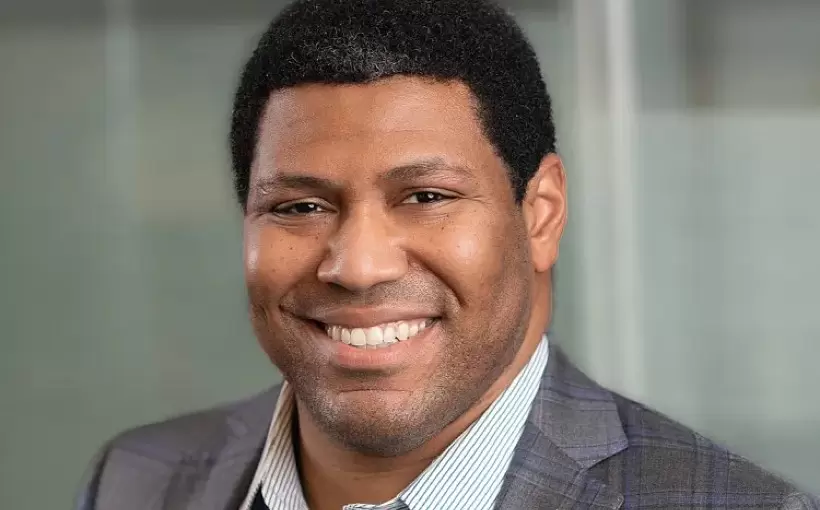

PACE Loan Group’s Bali Kumar on the Flexibility of the Capital
At this year’s Connect Orange County, set for Sept. 10 at the Hyatt Regency Irvine, you’ll glean insights from industry leaders on the state of the market, the industrial market across Southern California and financing in today’s market. One of the experts on tap for the latter discussion is Bali Kumar, COO of PACE Loan Group. Connect CRE reached out to Kumar to set the stage:
Q: You’ve been in the PACE sector since 2018. What brought you to the PACE sector, and to PACE Loan Group?
A: PACE is the newest and fastest growing form of public-private partnership that enables developers to efficiently capitalize their capital stacks. PACE is based on state law, and I was brought in to run the Michigan PACE program – bringing it from policy to a functional marketplace for capital. I love the flexibility of the capital – being able to solve gaps in ground-up construction capital stacks, serving as a part of the take-out financing post-construction, being used as rescue capital for projects that need more ramp-up time, etc. I came to PACE Loan Group because the team has a knack for being able to underwrite complicated commercial real estate deals – finding solutions to problems for developers and property owners.
Q: Each state or county PACE program has its own nuances. Are they just that—nuances—or can these differences have a major impact on how a PACE borrower operates from one state to another?
A: Every state has a slightly different PACE statute on the books. Largely, the programs are the same. In certain states, you can borrow slightly more money (25%-35% LTV) or for a longer term (25-30 years), but as long as the borrower owns property in PACE eligible states (the majority of states), then they should consider PACE to be part of their financing stack.
Q: What are some advantages of PACE lending compared to other forms of green financing?
A: I would compare PACE financing to construction financing, instead of green financing. PACE is long-term, fixed-rate, self-amortizing, non-recourse financing. The “green” element is that most borrowers are building in excess of code. Our borrowers seldom have to change the plans and specs of their building – their buildings have naturally embedded PACE eligibility. PACE also pays for resiliency measures, such as seismic strengthening, which is an expensive portion construction/rehab costs.
Q: PACE has become widely known in the past year or two. Does this shorten the learning curve for first-time borrowers?
A: The learning curve is shortening everywhere. Borrowers and senior lenders are understanding PACE as a way to solve gaps in capital stacks, to assist with refinancing, and to serve generally as rescue capital. PACE is the chameleon of financing – it blends into a lot of places.
Join us on Sept. 10 at the Hyatt Regency Irvine for this year’s Connect Orange County, where the region’s most influential industry leaders discuss where the commercial real estate market is headed. Click here to register.
- ◦Financing


