The current picture of SoCal industrial encompasses more supply, softening demand, increased vacancies and negative absorption. With all this going on, are investors interested in the product type, especially in Southern California? Additionally, is the capital available to buy?
The answer is yes . . . but.
Experts contacted by Connect CRE said that the record-breaking sales levels of 2021 are firmly in the rear-view mirror. Investment volume has slowed. However, most indicated plenty of interest in industrial as an asset class and Southern California as a region in which that asset class is located.
Read about SoCal Industrial Leasing here.
The Investment Picture
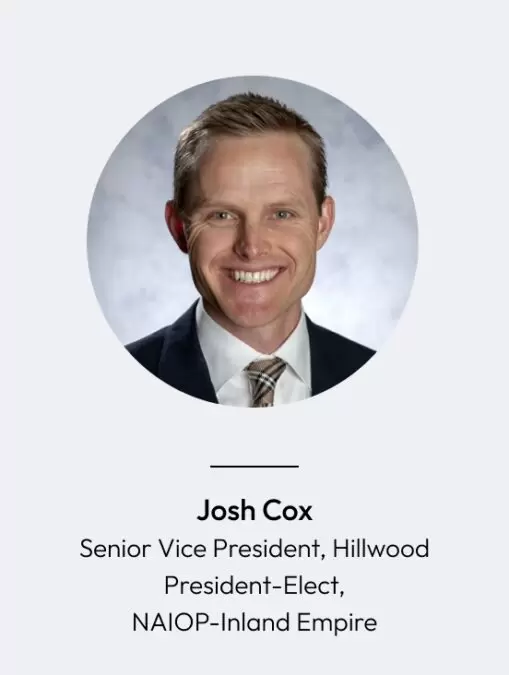
NAIOP-Inland Empire President-Elect Josh Cox explained that industrial has come a long way in the past decade in investors’ minds. “Clients are becoming more institutional and sophisticated,” said Cox, senior vice president with Hillwood. “And industrial seems to be the most stable asset type within commercial real estate.”
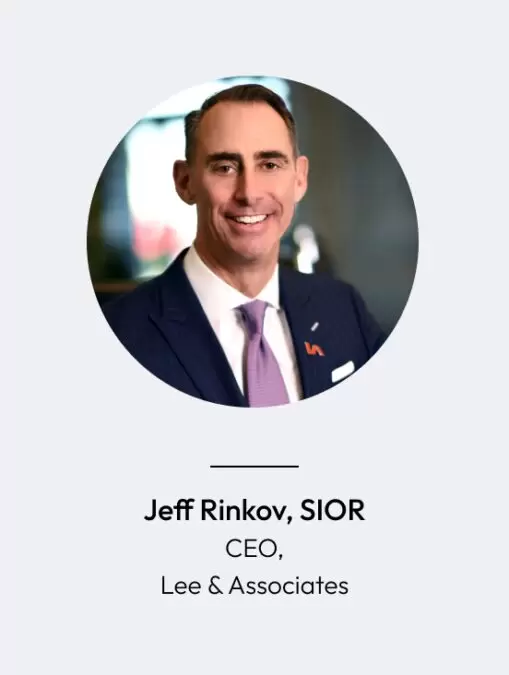
Jeff Rinkov, SIOR, Lee & Associates’ Senior Vice President and CEO, agreed that until recently, “industrial was the red-headed stepchild. It wasn’t sexy. The buildings weren’t great, and returns were muted.” All of that changed as land prices increased and interest rates and cap rates lowered.
Things are changing yet again as the market struggles to handle excess supply and pricing discoveries. Right now, “we’re in a period where there’s a gap between the bid and ask of all asset classes,” Rinkov said. “Meanwhile, price discovery is going on that needs to accommodate other than negative leverage.” Negative leverage occurs when the cost of debt is higher than a property’s current cash flow.
Another change? Investors are going with the “smaller is better” philosophy. “Larger industrial assets priced over $100 million have a very thin pool of buyers because most competitive buyers in today’s market tend to be all cash buyers able to apply leverage, post-closing,” said CapRock Partners Senior Vice President Taylor Arnett. “When they hit a certain size range, an all-cash closing becomes more difficult.”
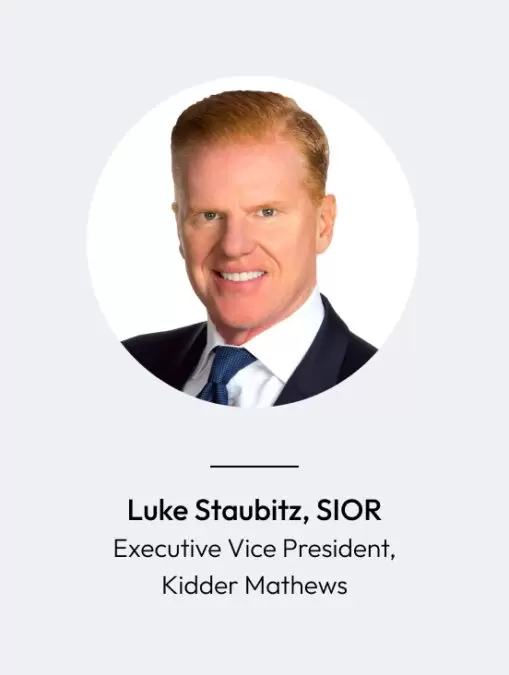
Luke Staubitz, SIOR, executive vice president with Kidder Mathews, concluded that there is still plenty of investment interest in SoCal industrial, especially logistics buildings. However, “rising cap rates have altered underwriting and slowed overall sales velocity.”
Speaking of Cash . . .
Then there is the question of whether enough money is available to buy those industrial assets. Not so long ago, low-cost debt was easy to obtain. But these days, investors are attempting to get around the difficulties of higher interest rates through strategies like negative leverage. Arnett said this relies on below-market legacy rents, “with investors counting on marking those rents up in the market at some point in the near future.”
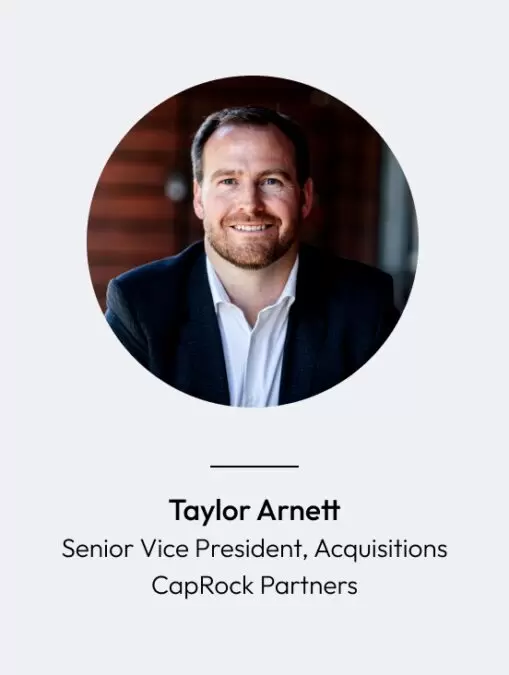
But negative leverage isn’t a great long-term solution. “Investors can only live with negative leverage for so long,” Arnett said. As a result, investors view shorter weighted average lease term (WALT) transactions more favorably to guard against negative leverage. The shorter the lease term, the quicker an owner can increase rents – and cash flow. However, such a strategy could be problematic with softer leading demand and more supply coming into the market.
CT Realty Managing Partner Dominic Petrucci explained that lenders still have money for industrial acquisitions, depending on a deal’s size and nature. Lenders currently prefer transactions sized to their ability to hold the loan “on book” without the need to syndicate any portion. They are seeking loan profiles that carry compelling submarket narratives, tenant demand and labor availability.
“Regional banks and debt funds are currently the most active construction lenders with money center banks largely choosing to remain on the sidelines,” Petrucci said. “But because of market uncertainty, they’re increasingly interested in securing deposit business, some level of recourse or other methods to safeguard their interests. It appears to be a ‘lenders’ market’ for the foreseeable future, but debt is available for certain.”
Meanwhile, on the equity side, the experts expressed confidence that there is capital out there, even if it isn’t currently flooding the market. Staubitz explained that the public markets provide a good source of capital, as “evidenced by REITS, such as Rexford raising $1 billion to buy the Blackstone portfolio.
Terrano also purchased a Blackstone portfolio for $364 million.” He went on to say that institutional investors do have the money as long as an asset’s economics make sense with the current interest and cap rate environments.
Lexi Geiger, director of acquisitions at Bixby Land Co., agreed with Staubitz’s assessment. She said plenty of dry powder is in the market, along with pent-up demand to deploy capital in the industrial sector. “There appears to be more equity capital available targeting value-add and opportunistic opportunities,” she added. For example, she noted that Bixby’s value-add industrial fund has plenty of liquidity for investments in the Southeast, West Coast and Texas.
Where the CHIPS Act Fits In
One of the main issues likely to help drive the performance of the national industrial sector is the Creating Helpful Incentives to Produce Semiconductors for America International Technology, Security and Innovation law—better known as the CHIPS Act of 2022. Through the legislation, semiconductor chip and other technology manufacturers can access federal funds to develop plants and factories.

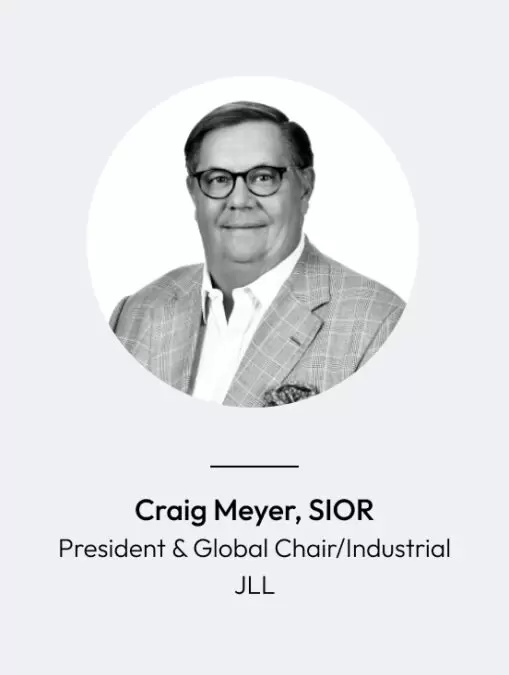
“The CHIPS Act will have an absolutely massive impact on manufacturing leasing activity nationally,” commented SIOR Past President and JLL President and Global Chair/Industrial Craig Meyer, SIOR, adding that manufacturing leasing could eventually comprise as much as 30% when all is said and done. “The act addresses political, strategic and security issues. We also need to ensure that certain products are manufactured on our own soil – that was an important lesson learned from COVID.”
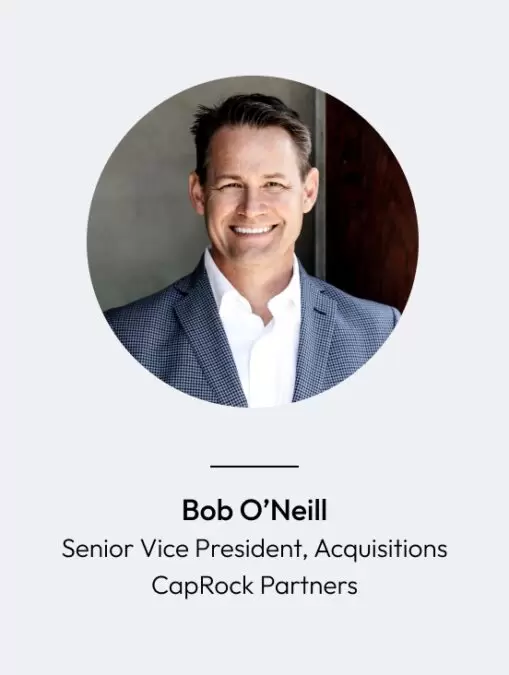
Several states, including Arizona and Nevada, have taken advantage of the available funds. However, the experts’ responses were mixed regarding the legislation’s impact on SoCal industrial. Bob O’Neill, senior vice president of acquisitions with CapRock Partners, explained that California has supported local companies with research grants while hosting corporate headquarters and research and development centers for companies including Intel, Bosch, and Nvidia.
Rockefeller Group’s Senior Managing Director, West James Camp also viewed SoCal’s role in the CHIPS Act as supportive. “California will deliver the raw materials imported through the Ports of Los Angeles and Long Beach necessary to manufacture computer chips,” he explained. Additionally, “Southern California, particularly San Diego, has long been home to some of the top semiconductor manufacturers in the county, and those operations are expected to expand as well.”
However, the state and its municipalities tend to get in the way regarding any development, let alone anything related to the CHIPS Act. “Challenging entitlements, overwhelmed utility infrastructure and a lack of economic incentives continue to hinder California’s ability to attract large-scale manufacturing tenants,” said Carter Ewing, Managing Partner, CT Realty. Adding to the problem are high operating costs. “All of this is pushing tenants to more affordable markets outside of Southern California,” Ewing said.
Staubitz was blunter, commenting, “California politicians and politics must become more business-friendly, particularly in regulation and taxation issues, to compete with Arizona, Nevada and Texas. Absent a fundamental change in how California treats businesses, neighboring states will continue to be successful in poaching companies seeking a more pro-business climate.” Cox also added that, in addition to finding available land for projects, “being California, we constantly face the headwinds of government regulation when it comes to buying land and developing on it. We come up against a lot of outdated information.”
The CHIPS Act provides good opportunities for accommodating states and municipalities. Unfortunately, California is not on that list. “I wish it had a larger impact here,” Rinkov said. “But the benefits will go to areas more accommodating to larger-scale development and industry.”
Faith in the Future
Even as investors try to understand the SoCal industrial market, the experts were optimistic in their outlooks. Arnett anticipates that the markets should stabilize by the end of the year. “If so, this will likely bring many investors and liquidity off the sidelines,” he said. Staubitz also foresees more investor activity, especially “as sellers let go of 2022 peak pricing.”
In the meantime, Ewing said he anticipates a cap rate compression in 2H 2024, assuming an ongoing stable interest rate environment. Bixby’s Geiger noted that “as the leasing market stabilizes and we receive more clarity around interest rate expectations, I’d expect there to be an uptick in investment sales volume. We continue to see interesting opportunities, and I’m optimistic that volatility in the market today will lead to good buying opportunities in the industrial sector later this year.”
Regional issues and interest rates aside, the experts said that industrial tends to be a favored asset class “due to generally low maintenance costs and simplicity of ownership,” Lee & Associates’ Rinkov said. “We just need to understand where interest rates will be and that there’s a current lull in tenant demand that needs to be resolved. Otherwise, this will continue to be a high-identity class for asset investors.”
Hillwood’s Cox added that many institutional investors are holding industrial assets longer term; “We’re looking at up to a 20-year horizon,” he said. Additionally, as variable as the capital markets are right now, “capital still loves industrial,” Cox observed. Patience will prevail for those folks that like industrial.” As such, there’s opportunity and capital interested in industrial investment, though Cox cautioned that both could slow as the election comes closer.
Ewing agreed, pointing out that despite its challenges, Southern California remains the premier industrial market in the country. “Opportunities will exist if developers can find the right transactions,” he added. “CT’s outlook remains extremely positive for the big-box segment, and we remain bullish on stability within that size range.”
Read about SoCal Industrial Leasing here.
Why Rexford Industrial Focuses Solely on SoCal
June 28, 2024 | Market Focus
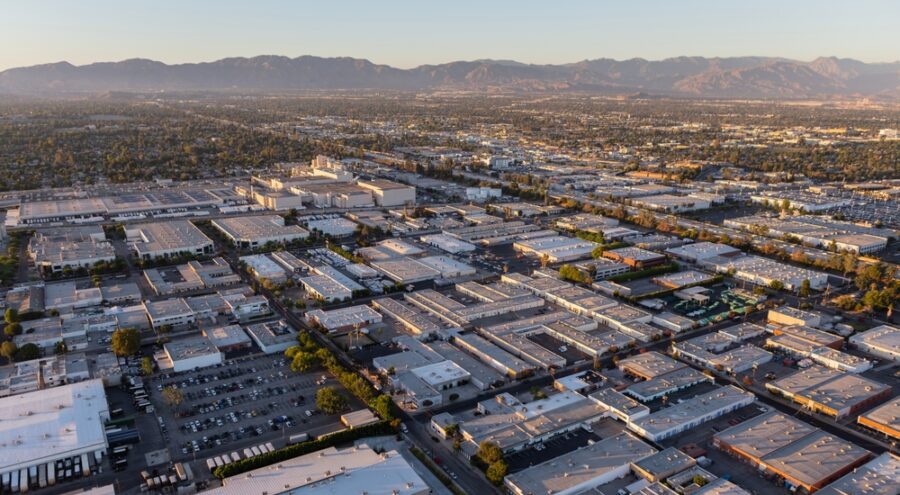
In the current investment climate of slowing sales velocity and capital hesitancy, Rexford Industrial Realty stands out with its continued focus on industrial acquisitions throughout infill Southern California. The Los Angeles-based company made headlines in spring 2024 with its $1-billion acquisition of Blackstone’s combined three million-square-foot portfolio, consisting of 48 industrial properties concentrated within infill SoCal.
Connect CRE recently contacted Patrick Schlehuber, Rexford’s Chief Investment Officer, to learn more about why the company continues to pursue industrial activity in the region.
Connect CRE: You recently acquired an extensive SoCal industrial portfolio and are an active owner in the region. What are some of the factors that make this region attractive to Rexford?
Schlehuber: Infill SoCal is consistently the highest barrier, highest demand and lowest supply industrial market in the nation. These are the fundamentals that drive our outperformance through cycles, which is why we’re exclusively focused here. Diverse and growing tenant demand for our mission-critical locations — paired with an inability to increase new supply due to scarcity of land and development challenges — create a supply-demand imbalance, which protects Rexford’s portfolio. Our focus in Southern California also gives us an invaluable informational advantage, which we’ve developed through decades of research and extensive broker relationships. The resulting competitive advantage allows us to catalyze transactions that drive accretive cash flow growth and long-term value creation.
Connect CRE: What are the active leasing industrial markets/submarkets in SoCal, and why? What factors are driving the activity?
Schlehuber: Tenant demand remains healthy across our infill markets, and we continue to convert activity into executed deals. Specifically, as of our recent mid-quarter operating update at the end of May (2024), we executed 1.1 million square feet of leasing in the second quarter to date at 68% net effective spreads.
Despite some recent softness in the Inland Empire West and South Bay submarkets in larger unit sizes, over half of our leasing volume occurred in these submarkets — across units with an average size of approximately 19,000 square feet. This further demonstrates that the tenant demand for our portfolio is differentiated from the rest of the market when considering the size and higher relative quality and functionality of our properties.
Connect CRE: What tends to be the primary use demand?
Schlehuber: We see diverse demand across all industry types throughout our portfolio, which is driven by the fact that our tenants are serving the largest zone of regional consumption with a population of 24 million and over 600,000 businesses.
Connect CRE: Is getting transactions across the finish line more difficult than it once was?
Schlehuber: Getting deals done is never “simple,” whether that is leasing or acquisitions. However, we’ve always found — even more so in today’s market — that our differentiated approach allows us to execute our business model through cycles. In fact, the vast majority of our investments are transacted through off-market or lightly marketed opportunities. Our transactions are catalyzed by proprietary research and our relationship-driven originations methods, which identify and capitalize on an individual seller’s needs and circumstances. We take a highly selective approach to capital allocation and remain focused on accretive investments that enable near- and long-term value creation instead of focusing on transaction volume alone. This is demonstrated in the $1.3 billion of acquisitions that we have closed year to date, with over 70% being transacted through off-market opportunities.
Connect CRE: What is your outlook for the sector/geographical region over the next year to 18 months?
Schlehuber: I am bullish about infill SoCal industrial over the next 18 months and the years to come. Southern California is home to both the Ports of Los Angeles and Long Beach, which account for 30% of total port volumes nationally — 50% of which remains in the region. The ports have recently experienced increased activity, supporting businesses occupying mission-critical locations that serve the regional consumption base of 24 million people. Additionally, the long-term fundamentals of infill Southern California remain strong, demonstrated by the lowest vacancy over time and lowest volatility in vacancy through cycles, which are all important indicators of the region’s performance over the next 18 months and beyond.