



National CRE News In Your Inbox.
Sign up for Connect emails to stay informed with CRE stories that are 150 words or less.
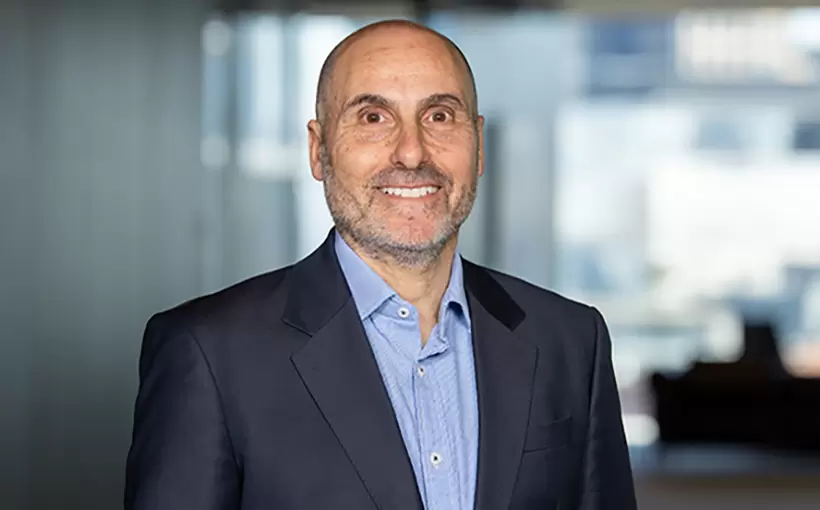

Walker Webcast: Goldman Sachs’ Peter Oppenheimer Explains Macro Issues and Cost of Capital Impacts
In the United States, investors wonder how the recently reported inflation increase might impact the Federal Reserve’s move to cut the Effective Federal Fund Rate. But the April 17, 2024 Walker Webcast went beyond the very micro issues of the CPI and EFFR to examine a broad, macroeconomic viewpoint of past issues, current events and how they might impact investments.
One topic discussed by host Walker & Dunlop Chairman and CEO Willy Walker and guest Peter Oppenheimer, Goldman Sachs’ chief global equity strategist and head of macro research in Europe, was the economic supercycle. Oppenheimer explained that the current economic supercycle started in the early 1980s, the peak of inflationary and interest rates. During the next 30 years, “not only did interest rates and inflation come down, but you also had positive supply-side changes in economies,” Oppenheimer said. Other geopolitical issues, including the Berlin Wall collapse, the end of Soviet communism and the start of modern globalization, “brought down risk premium uncertainty,” Oppenheimer pointed out.
The previous supercycle is coming to an end. Oppenheimer explained that the current situation is causing some panic because the world has been at low and zero interest rates for an extended period, and the markets assumed that the situation would continue.
“Most people really couldn’t envisage or understand what the implications of higher cost of capital would be because they hadn’t seen it for a generation,” he said. This has led to the focus on micro issues, like when interest rates will come down and when, or if, a recession will take place.
Oppenheimer suggested that the proper focus should be on the larger topics, like the shifting geopolitical landscape and changing globalization dynamics. “These are beginning to fracture somewhat as we move toward a more regional trade model,” he added. Other issues to pay attention to include labor market changes, a move away from the “global rules-based architecture,” excess energy supplies and what Oppenheimer called “two of the greatest shocks to hit the economics for a very long time: The impact of newer technologies around AI and the move to decarbonization.”
Because of this very macro viewpoint, Oppenheimer said that both interest rates and inflation will likely “need to rise. We no longer have deflationary risks, but governments are also facing new realities that are requiring more interventions.”
As such, don’t expect the cost of capital to trend back to zero, at least not soon. The various components also led Oppenheimer to explain that with the current global situation, it would be safe to assume that the “cost of capital won’t likely be trending down to zero again anytime soon. Business models and investment valuations need to adjust to that structural shift.”
While everything from higher tariffs, more defense spending, aging populations and unfunded liabilities will exert upward pressure on long-term interest rates, Oppenheimer was optimistic that the combination of AI and decarbonization “ultimately could prove to be very positive for growth and, indeed, for investors.”
AI could improve productivity, meaning higher real incomes and economic growth in the face of aging populations. Furthermore, transitioning economies to a decarbonized model means a more sustainable planet and healthier conditions. It also could mean “an environment where the marginal cost of energy falls to zero, which we’ve never really had in history,” Oppenheimer said.
On-demand replays of the April 17 Walker Webcast are available through the Walker Webcast channels on YouTube, Spotify and Apple. Subscribe to get invites, replays and articles for new Walker Webcast episodes every week.
- ◦Financing
- ◦Economy
- ◦Policy/Gov't


