



National CRE News In Your Inbox.
Sign up for Connect emails to stay informed with CRE stories that are 150 words or less.


CRE Experts See “Higher for Longer” Rates Lasting a Little Longer
As expected, the Federal Reserve’s Federal Open Market Committee held the line on interest rates at its January meeting. The previous FOMC meeting, in December 2023, raised the hope that reductions in the federal funds rate could begin as early as March—a hope that is now giving way to the increasing likelihood that the reductions will begin later in the year.
“The market has spent the month of January recovering from having a little too much fun at the Fed’s pivot party,” Berkadia noted in an economic commentary prior to the Jan. 30-31 FOMC meeting.
Peak optimism for a March rate cut occurred in late December, coinciding with recent lows in the 10-year Treasury. “Fed officials have tried to walk back the dovish sentiment relayed at the December FOMC meeting, citing recent inflation and labor market prints as reasons to hold rates ‘higher for longer,’” according to Berkadia. “Statements from Fed officials, coupled with recent economic prints, have eased the market’s expectations of a March rate cut.”
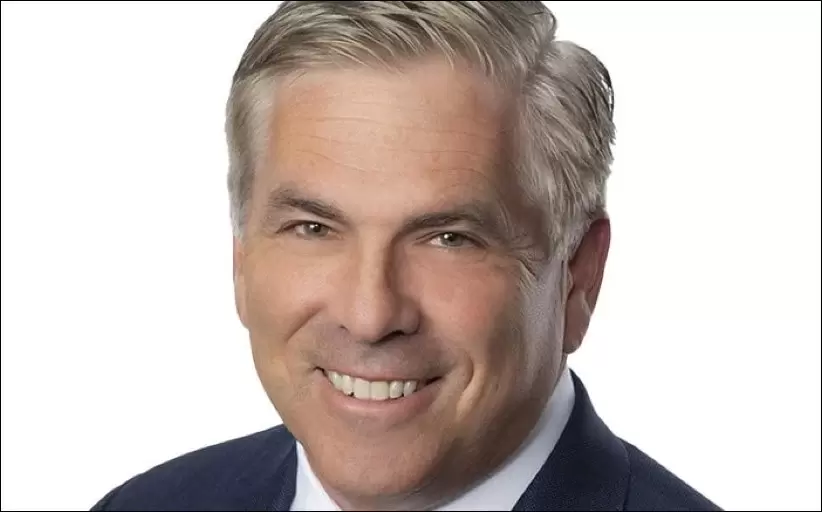
At Avison Young, U.S. president Harry Klaff similarly pushed the timing of rate reductions back. “The Federal Reserve continues to stay the course and maintain interest rates for Q1 2024,” said Klaff. ‘With the first rate cut expected to fall in Q2, Avison Young anticipates new economic prospects in commercial real estate.
“Opportunistic buyers will spend the next few months doing market research and price discovery, focusing on prime assets in retail, multifamily and industrial sectors. With significant capital on the sidelines, our expectation is that the combination of rate cuts and pricing resets for all asset classes will fuel significant activity later this year.”
BGO chief economist Ryan Severino offered a global perspective on monetary policy in a late-January newsletter. “Divergent inflation trends should also bring divergent monetary policy decisions from major central banks,” he wrote. “Broadly slowing economies and inflation will provide central banks with cover to start cutting policy rates, but with different timing.
“In the U.S., relatively strong economic growth, a tight labor market, and an inconsistent downward path for inflation will likely delay rate cuts until the latter half of the year, later than the futures market currently expects. But with growth set to slow and inflation moving closer to target, the Fed should have some cover to begin an easing cycle.”
Pictured: Harry Klaff.
- ◦Financing
- ◦Policy/Gov't

