



National CRE News In Your Inbox.
Sign up for Connect emails to stay informed with CRE stories that are 150 words or less.
Q&A with Peak Construction’s David Michael: The Changing Industrial Landscape
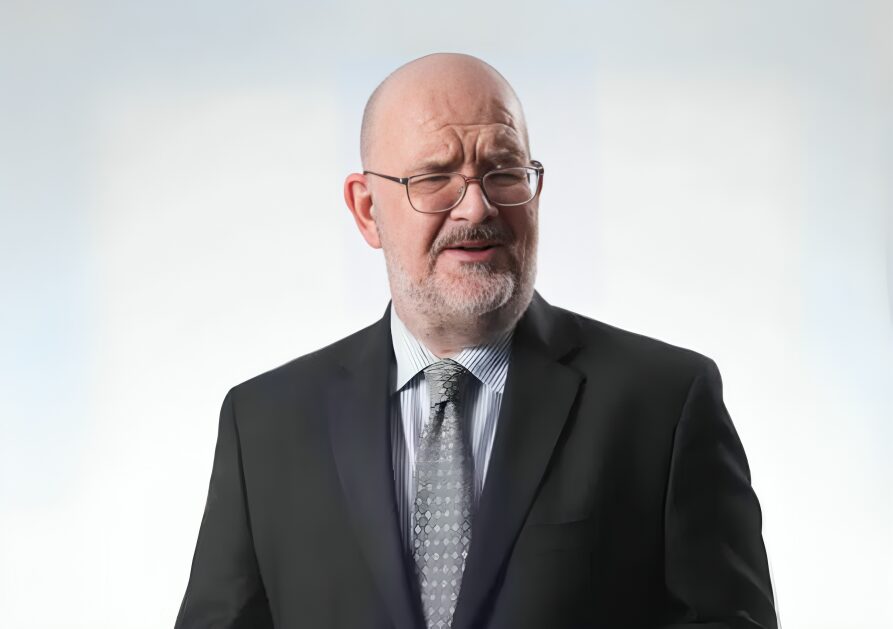
Industrial development continues at a fast pace even as rising costs and capital markets headwinds have slowed other sectors. Within this fast-paced environment are changes in owner and user requirements: more specialized and often smaller facilities, coupled with expedited timelines for delivery. Connect CRE spoke with David Michael, VP of sales at Peak Construction, for an overview. Here’s what he told us.
Q: For some time, developers have seen rising construction costs as an ongoing issue. Specifically in the industrial sector, have costs begun to stabilize?
A: Over the past couple of years, construction costs and lead times have increased dramatically and, in many instances, costs were not being committed until material delivery occurred from the factory while the facility demand continued to grow at unstainable rates. Banks failing and the Fed interest rate increases have resulted in Peak seeing costs stabilize and even come down on certain trades. Chaos with lending, as well as loan and underwriting requirements, brought upon many immediate proposed project suspensions or cancellations to occur very rapidly.
With rapid investor demands for higher returns, interest rates rising and existing portfolio values plunging, even new developer build-to-suit projects underwritten with current market rates saw lending and portfolio approvals for funding times double and triple, if available at all. With banks struggling to get previous project loans repaid at maturity, historically calculated new available funds were quickly unavailable for new lending, regardless of new terms. Suddenly decreasing demand has allowed for previously limited supply to catch up, driving costs to stabilize, and even start decreasing, for some approved deals able to move immediately ahead. Long-term committed schedules and costs for key materials are still hard to come by.
Q: Certainly, one of the factors contributing to the cost of building a project is time. Are you seeing construction methods that can shorten the timeframe?
A: Time is always a key factor in any project, and with the rise in interest rates, we are seeing more and more customers rely on Peak’s expertise to expedite their projects. Many projects are turning to overtime and multiple crews to deliver projects at or ahead of schedule to minimize interest rate impacts. One key challenge remains with public utilities for electrical power, voice/data, water, sanitary sewer and public road, and intersection expansions and widening to provide necessary infrastructure to service and match new development requirements. Temporary generators and other temporary creative solutions are necessary until the public improvements can be completed.
Q: Are you seeing more assignments to build specialized facilities (data centers, cold storage, manufacturing)?
A: Peak is starting to see more and more specialized facilities as those markets are still hot due to lack of product to match demands and project financing being provided by large corporations, not traditional banks and developer asset funds. This provides resources to be realigned to unique demands, while traditional warehousing starts to cool off due to financing and funding challenges. The food processing, cold storage and manufacturing users out there are still in the marketplace with limited supply of product available, thus increasing demand for new BTS products. While the one headwind many of our developer clients are still facing with financial institutions is increasing requirements and lending less money to these traditional users, many specialized users use internal sources for project capital still available for strong expansion driven by demand.
Q: Finally, when it comes to warehouses, are you seeing fewer big-box (500,000 square feet or more) projects and more demand for smaller-sized facilities closer to major population areas?
A: We are seeing more demand for smaller facilities closer to major metropolitan areas and, in some instances, closer to larger projects to support larger manufacturing and fulfillment facilities for unique material fabrication or supply. While the demand for larger facilities is near the coasts, major Interstates and inland ports (railways are still there) continue to occur in emerging key logistic locations. Smaller facilities are both occurring for very heavily populated urban locations to optimize the growing demand for immediate availability with limited large site availability, as well as feeder locations near larger projects. These multi-tenant feeder facilities provide flexibility to tenants to grow quickly from 40,000 to 80,000 square feet to larger spaces in prototype multitenant projects of 200,000 to 250,000 square feet in size.
As the development demand trend continues for heavily populated urban area with limited land and high prices, Peak believes these site challenges will lead to many more multi-level distribution and fulfillment centers built for final mile delivery clients with smaller truck and van fleets supplied by large semi-truck feeder logistic strategies optimizing the fastest times and lowest costs. Final mile delivery strategies will also be quickly evolved into the food, pharmaceutical and freezer/cooler society demands.
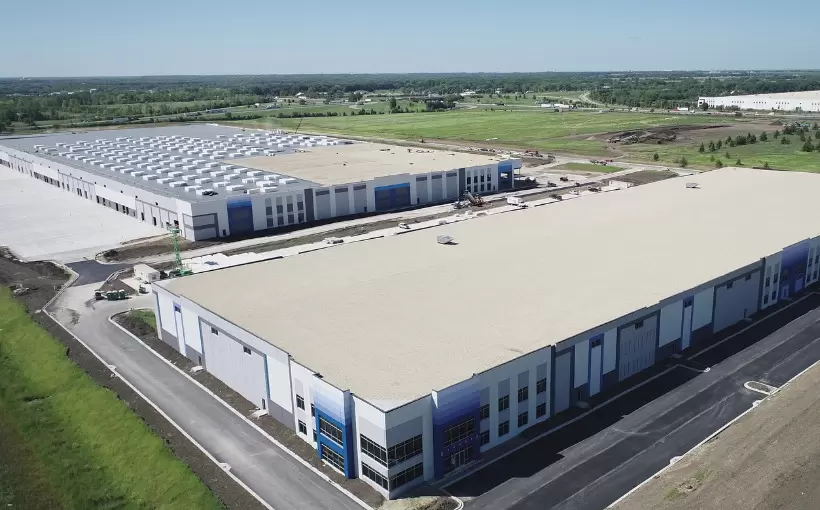
Pictured: Rock Run Crossing 2 in Joliet, IL, which Peak Construction is building for IDI Logistics.
- ◦Development


