



National CRE News In Your Inbox.
Sign up for Connect emails to stay informed with CRE stories that are 150 words or less.
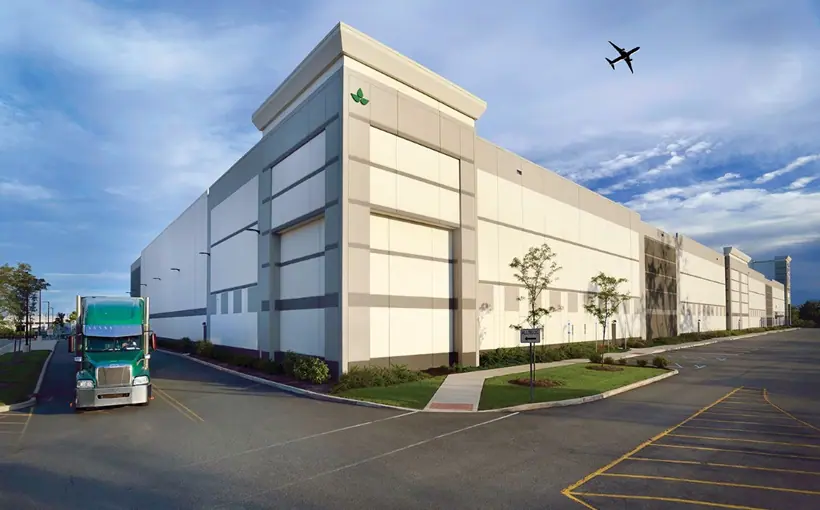
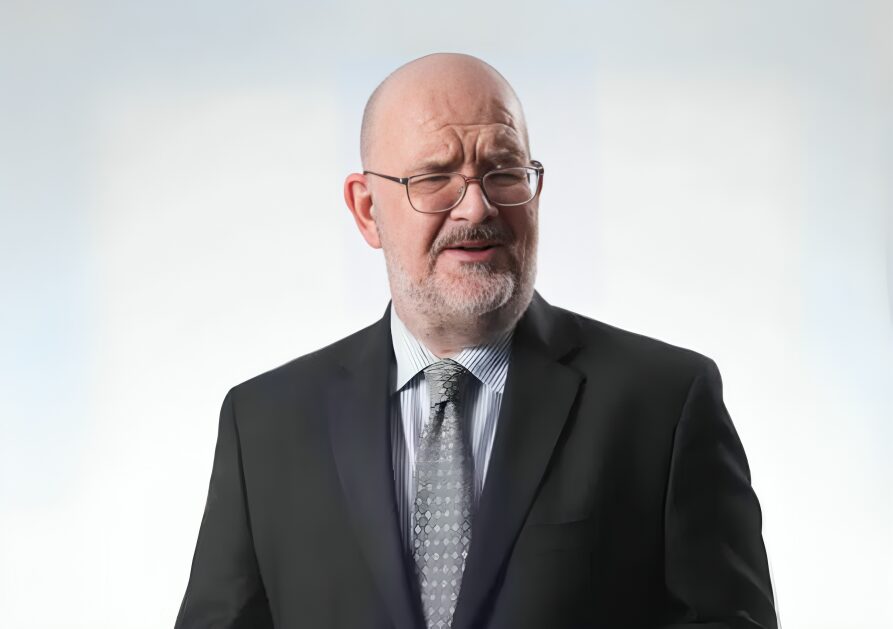
Duke Realty’s Sheila Sutton on Supply Chain Challenges Facing Developers
It’s no secret that supply chain challenges have been added over the past couple of years to the speedbumps facing developers. Nowhere are these challenges experienced more acutely than in industrial real estate, where increased demand for new product runs up against issues in obtaining materials to build new warehouses and distribution centers and deliver them on schedule.
It’s a problem seen firsthand by Sheila Sutton, project executive, construction at Duke Realty Corporation. At the upcoming NAIOP I.CON East conference, scheduled for June 8-9 in Jersey City, Sutton will moderate a panel discussion titled “Conquering the Supply Chain: How to Overcome Construction and Design Challenges.” In advance of I.CON East, Connect CRE spoke with Sutton to set the stage for her session.
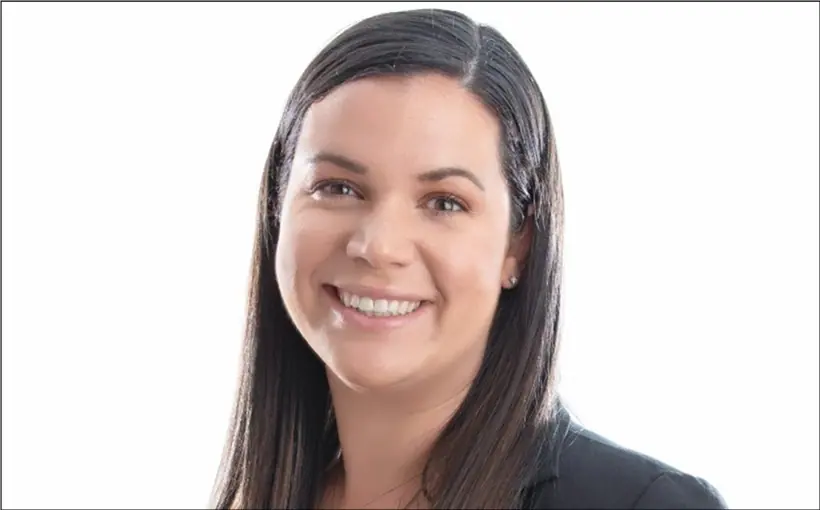
Q: Have the supply chain issues affecting development changed or evolved over the past couple of years?
A: Supply chain shortages and significantly increased lead times for materials have definitely changed over the past few years. That’s been one of the biggest construction challenges right now, especially for industrial development. We’re seeing projects that have scheduling cost impacts due to lack of availability of materials. It’s been a challenge since the start of the pandemic. Steel was one of the first materials that was impacted, and over the past couple of years, the list has grown. And keeps growing — extending to almost every major building material.
The industry has done a great job of being agile and finding solutions. We’re looking at switching material types — for example, using alternate roofing materials to get quicker lead times, and being very conscious of getting the orders in well in advance of the required delivery date. In running these construction projects, one of the most critical pieces on our end is material tracking because of the supply chain issues that we’re seeing.
Q: It sounds as though as the shortage issue has evolved, the industry and developers like Duke Realty have figured out how to meet these challenges and work around them.
A: That’s accurate, and part of that is releasing items earlier in the process and switching to different materials. The subcontractors are also doing a great job of being creative and providing alternate solutions as well. They’re getting ahead of it and bringing these ideas to the developers. They’re looking at expanding their vendor selection and training their staff on new methods to have all of these alternate solutions available to developers.
Q: Did the pandemic introduce these challenges or accelerate circumstances that were already present before the pandemic began?
A: I do think these challenges are a result of the pandemic as well as recent economic and global issues. The pandemic impacted the labor force. Additionally, consumer delivery demand has increased and so has the need for space to house inventory. The pandemic may have accelerated the demand for prompt deliveries to your doorstep. It’s safer in a pandemic than going to a brick-and-mortar store, and it’s more convenient, to get whatever you want with a click of a button. The transition to online shopping was well underway prior to the pandemic. Amazon has been around for some time. The technology and delivery system were already in place. But there’s been an increase in demand for that, and the increase has caused companies to need more distribution space, especially space closer to major metropolitan areas.
Q: Duke Realty develops across the U.S. Are there regions where some of these challenges are a little less pronounced, or alternately, where they’re more pronounced?
A: Duke Realty is in 19 markets across the country. We’ve seen that some regions are impacted by material shortages and increased lead times more significantly than others. However, I think we’ve done a really great job of making sure our markets share information so that we can be prepared for the potential material availability concerns that could arise and mitigate those risks in our construction timelines. The impacts are more dependent on project construction starts and the pre-construction process, rather than necessarily a region versus another region. It’s a matter of how the timing’s playing out.
For example, because climate conditions and energy codes vary across the country, roofing systems and materials also vary across the country. So what may be impacting one market could be irrelevant to another.
Q: You had mentioned that one workaround has been the use of different materials. Have these materials, and technologies, come along since the beginning of the pandemic or were they available previously?
A: There’s been some new technology coming into play, driven by sustainability, in the past several years. Duke Realty has been focused on sustainability for several years now, but we’re finding that among more and more of our clients, especially larger corporate clients, there has been a bigger push toward limiting environmental impact in the past five years. These clients have become more educated about the new technologies and innovations that can help reduce their carbon footprint and they look to us to implement those in our developments.
We’re using more electric vehicles, so we’re needing more charging stations. Solar panels are becoming more common. As a developer, we’re always researching new materials and systems. We have pledged to achieve carbon neutrality by 2025 and have been implementing a number of new technologies into our buildings to reach our goal.
Q: Are there customer requirements that have come along in the past two years that pose development challenges?
A: There has been increased demand for distribution space. I work in the Pennsylvania and New Jersey markets, where there is exceptionally high demand for industrial development. So that is a challenge in its own right, especially with land requiring significant remediation and long entitlement timelines. So, the development process has been extended in these markets. Due to the high population of consumers in the Northeast, companies are looking for distribution centers and they’re looking for quicker turnaround on developments. We have clients who want distribution centers to be completed under strict deadlines. That’s a challenge in itself.
In addition, our clients are also continuously innovating and implementing new technologies in their warehouses for energy-efficiency and streamlined process improvements that lead to time efficiency. Their requirements may lead to further customization of the buildings, making them “smarter” than has been traditionally done in the past. We’re seeing more automation, streamlined designs, efficient use of space resulting in a need for greater clear heights and wider column spacing. We have to make sure to stay ahead of those needs for our clients.
- ◦Development


