



Texas CRE News In Your Inbox.
Sign up for Connect emails to stay informed with CRE stories that are 150 words or less.
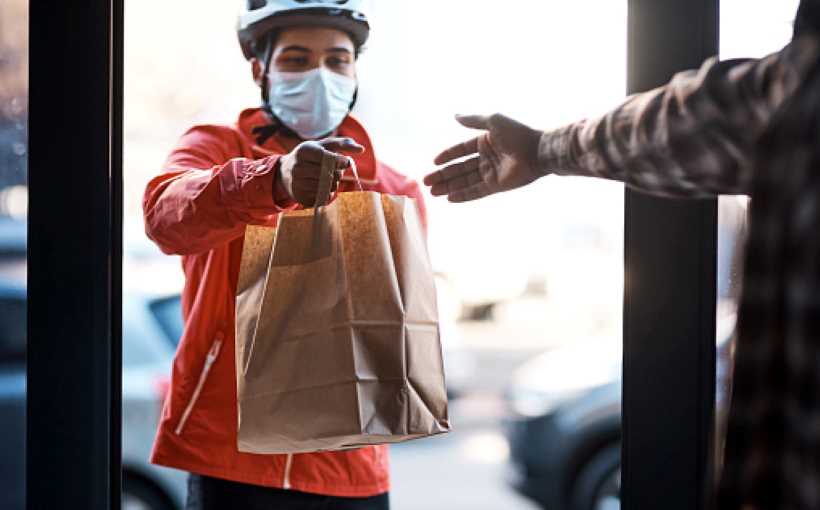

Delivery Startups Disrupt the Supply Chain Ecosystem
A recent analysis of the global last-mile food and grocery delivery market finds an influx of new startups with unique business models and services are disrupting the supply chain ecosystem. With instant deliveries and user experience becoming critical value differentiators, firms are exploring new technologies and services. Collaborations among previously disparate industries to deliver on cross-industry growth opportunities are expected to help global market revenues increase from $24.99 billion in 2020 to $72.34 billion in 2025, according to the report by Frost & Sullivan.
The food and grocery industry will continue to grow, with the grocery delivery industry growing faster than food delivery. Last-mile grocery delivery has always faced the challenge of attracting users in the crowded e-commerce space while competing with offline channels. However, COVID-19 minimized the competition with offline channels, attracting volume toward the online channel. There is intense competition, especially in Europe, with more than 15 participants competing in the quick commerce space.
“Partnerships and collaborations among stakeholders are becoming increasingly important in last-mile delivery. The focus is shifting away from standard apps offering basic functionality to AI and virtual reality-enabled solutions,” notes Chanchal Jetha, senior research analyst, mobility practice, Frost & Sullivan. “Technological advances can make contactless delivery, smart tracking, dynamic route optimization and advanced analytical insights an integral part of last-mile delivery. Mobility and e-commerce companies are recognizing the value of last-mile food and grocery delivery service as a future avenue of growth and are increasingly incorporating it within their portfolios. There is also likely to be a shift from traditional modes of transport (vans and scooters) to cleaner modes such as e-cargos and e-scooters. Furthermore, the need for contactless delivery will place the spotlight on autonomous technologies such as drones and bots.”
- ◦Economy


