



National CRE News In Your Inbox.
Sign up for Connect emails to stay informed with CRE stories that are 150 words or less.


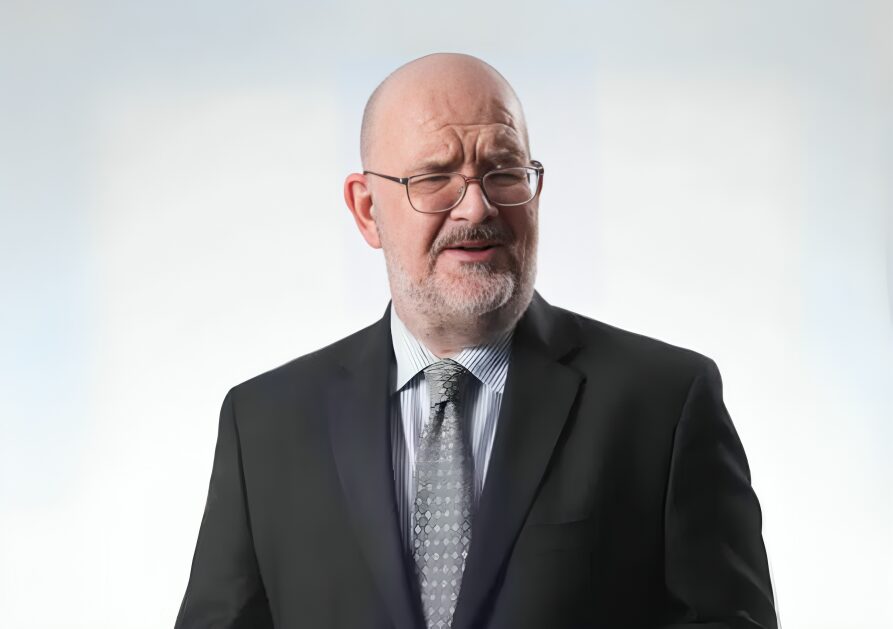
Walker Webcast: Flashlight Films’ Allyn Stewart Zeroes in on the Story
When the idea of making a movie of the 2009 “Miracle on the Hudson” rescue first surfaced, producer Allyn Stewart wasn’t sure there was a story to be told. What could top the dramatic news footage of US Airways Flight 1549, which made an unpowered emergency water landing five minutes into its flight?
But then, Stewart told Walker & Dunlop CEO Willy Walker on this week’s Walker Webcast, she and partner Kipp Nelson met with Capt. Chesley “Sully” Sullenberger and 20 minutes into their meeting, he revealed that a National Transportation Safety Board investigation of the incident had threatened to strip him of his pilot’s license. This little-known element of Sullenberger’s story became the basis for a screenplay that was finally made as Sully, with Tom Hanks in the title role and directed by Clint Eastwood.
President of Flashlight Films, Stewart has worked in the movie business for four decades. She realized early on that her passion was in making movies, developing scripts, rather than in climbing the corporate ladder—although she had several opportunities to take on a strictly executive role. She opted instead for “a purely entrepreneurial life.”
Even prior to making that decision, though, Stewart spearheaded projects that were driven by her focus on storytelling. As a senior executive at Warner Bros., she shepherded a script that didn’t appear to have blockbuster potential, at least not to upper-level executives whom she couldn’t convince to greenlight it: a film adaptation of the Broadway play Driving Miss Daisy.
Starring Jessica Tandy, who wasn’t the studio’s first choice although she had played Miss Daisy on Broadway, and the pre-stardom Morgan Freeman, the movie came together after Stewart assembled the financing for a modestly budgeted production. Thanks in part to Warner Bros.’ “brilliant” rollout that generated strong word of mouth, the movie became one of 1989’s biggest hits and took home the Oscar for Best Picture.
For decades now, the movie industry has been in transition as productions have gotten more expensive and executives from outside the film world have in effect became studio bosses, Stewart told Walker. Decision making can rely on algorithms more so than gut instinct.
Yet, while Stewart appreciates the balance among budget elements that is necessary to make a production pencil out, “You also have to make a great movie. You can run the numbers all you want, but it’s still got to be a great movie.”
You’ve also got to “listen to the talent,” to determine whether they’re the right fit for your project, she said. A big-name actor or director who doesn’t have a clear vision of how the movie will come together isn’t the right choice, even if his or her attachment to a project might make it easier to get financing.
Sully contained scenes that were formatted for the full height of IMAX presentation, and this year’s Land, starring Robin Wright and the Alberta wilderness, also benefits from being seen on the big screen. Stewart said it’s inevitable, given both the advent of digital delivery and the involvement of companies such as Netflix and Amazon in filmmaking, that many viewers will end up seeing these and other productions at home. But she added that it’s ultimately the project that matters, “even if you watch it on your phone.”
On-demand replays of the Nov. 10 webcast are available by clicking here and through Walker & Dunlop’s Driven by Insight podcast series.
- ◦People

