



Texas CRE News In Your Inbox.
Sign up for Connect emails to stay informed with CRE stories that are 150 words or less.

NASA Technology Saves Airline Fuel, Reduces Carbon Emissions
As part of an effort aimed at making aviation more sustainable, NASA has transferred findings from an air traffic management project to the Federal Aviation Administration (FAA) for nationwide implementation. In the past six years, NASA’s Airspace Technology Demonstration 2 (ATD-2) project demonstrated the benefits of a suite of airport operations tools known as Integrated Arrival, Departure and Surface (IADS) technology.
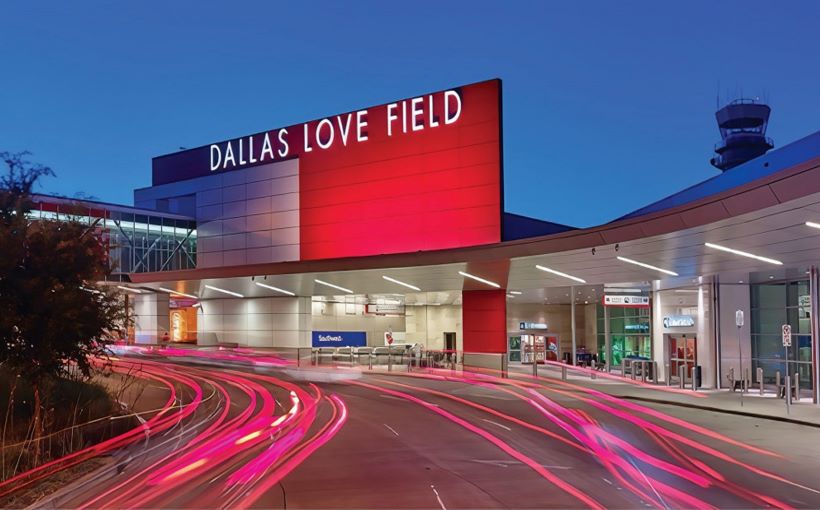
The tools, tested at Charlotte Douglas International Airport in North Carolina, Dallas Fort Worth International Airport and Dallas Love Field Airport saved fuel, reduced carbon emissions and increased information sharing between the FAA and industry. NASA provided the FAA with technology and knowledge from its demonstrations.
“NASA is developing transformative technologies that will revolutionize the aviation sector as we know it. The proof is in the pudding. This air traffic scheduling technology enhances aircraft efficiency and improves dependability for passengers every day,” says Bill Nelson, NASA administrator. “I’m excited the software NASA developed for air traffic controllers and airlines will be soon rolled out at airports across the country and know the results will continue to be extraordinary.”
- ◦Economy
- ◦Policy/Gov't


