



National CRE News In Your Inbox.
Sign up for Connect emails to stay informed with CRE stories that are 150 words or less.
What’s Behind the Retail Pricing Gap Between Public and Private Investors
In its first-quarter earnings report last month, shopping center REIT Kimco Realty Corp. noted its success in disposing of its interests in 21 centers for a combined $210.2 million. On the company’s Q1 call, Kimco executives noted that investor interest in shopping center properties is up this year.
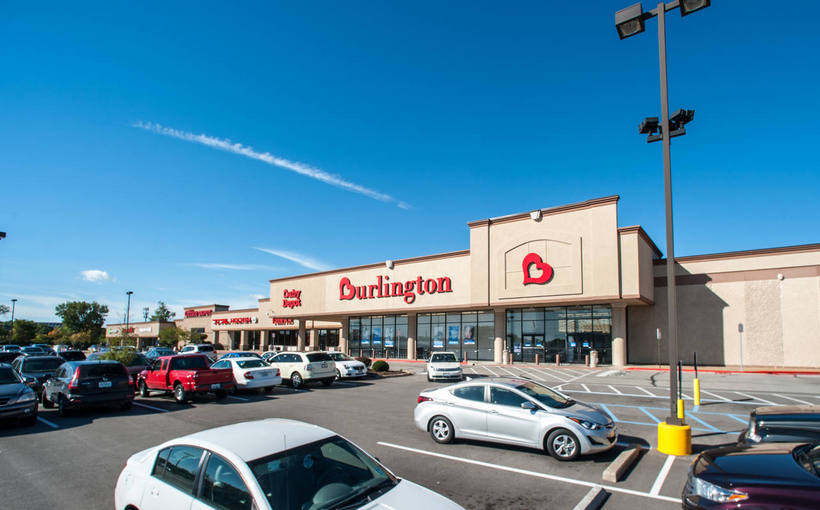
However, none of the 21 properties that Kimco traded during the quarter went to other REITs. Instead, the buyers ran the gamut of private investors. Like other publicly-traded owners, Kimco believes private buyers are more likely to value retail assets in line with its own pricing expectations. The company has Kirkwood Crossing in Missouri (pictured) and some 33 other centers marked for disposition.
Given concerns about the future of brick-and-mortar retail, stock prices of publicly-traded landlords have been under pressure, along with those of securities issued by their tenants. Reuters reported that as of April, the S&P Retail REITs index was down 13% year-to-date, compared with a gain of almost 2% for the broader market.
A recent Green Street Advisors report helps explain why. Although neighborhood centers and high-growth malls are expected to enjoy continued growth in rents and occupancy for the next five years, other retail sub-categories land squarely on the negative growth curve.
Green Street expects annual growth in market revenue per available foot (M-REVPAF) between -1% and 5% annually over the next five years, with industrial at the high end and strip centers at the low end. Notably, the spread in M-REVPAF growth between neighborhood shopping centers and low-quality malls is greater than 5% per annum, according to Green Street.
The private market is valuing shopping center assets better than the public markets do, REIT analyst Alex Goldfarb at Sandler O’Neill + Partners LP told Reuters recently. “The private market is saying, ‘We do not share the public market skepticism about retail,’ and that’s why you’re seeing the REITs sell assets to private investors,” Goldfarb said.
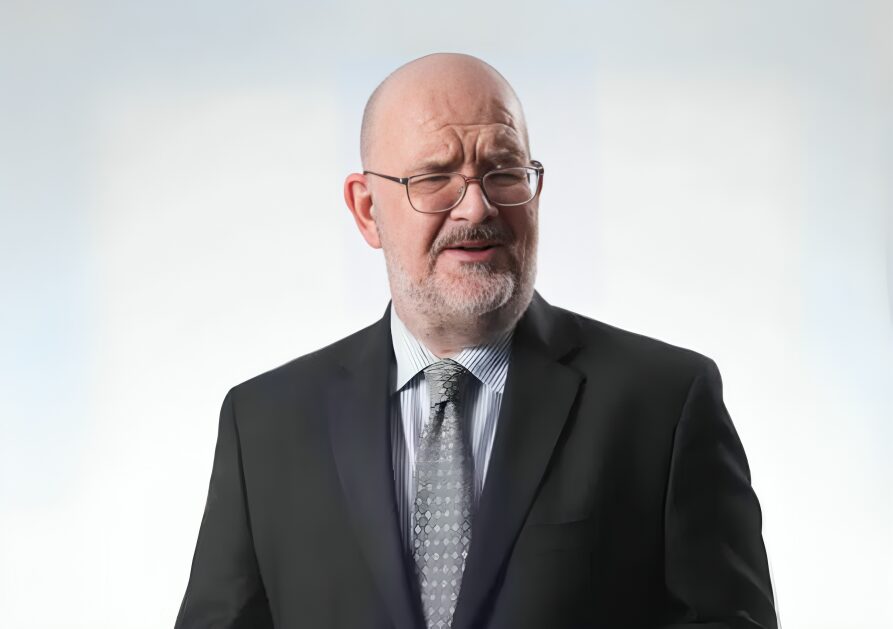
Scott Crowe, chief investment strategist at CenterSquare Investment Management, told Reuters that the public market is an indicator for private market pricings, and usually leads because the ease of selling is greater. Shopping centers are undergoing a “permanent repricing” because of online shopping, said Crowe.
Conversely, cap rates on the distribution centers used for e-commerce will continue to compress. “You’re going to see cap rate expansion in retail at this point in time,” Crowe told Reuters.
For comments, questions or concerns, please contact Paul Bubny
- ◦Sale/Acquisition
