



National CRE News In Your Inbox.
Sign up for Connect emails to stay informed with CRE stories that are 150 words or less.

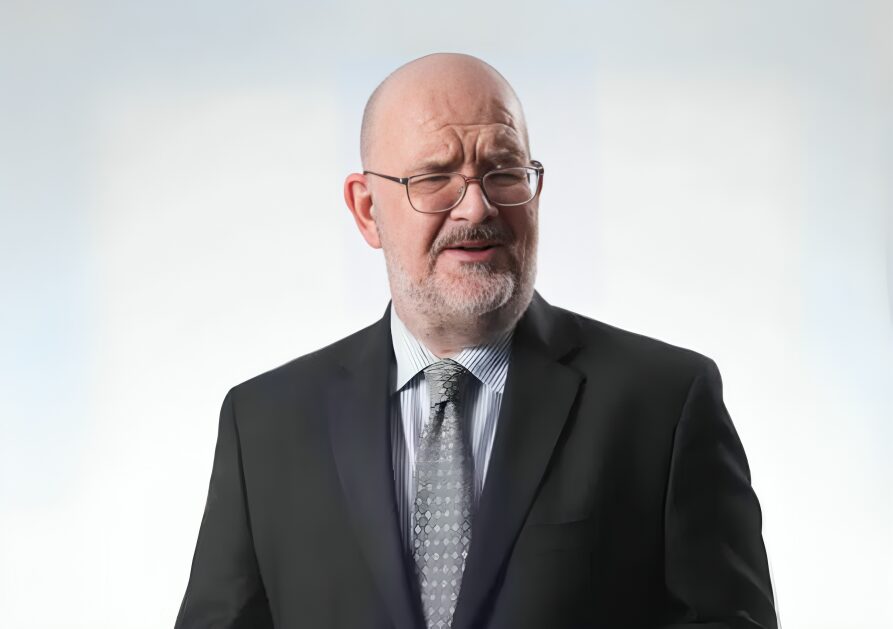
W&D Webcast: Brett White Tackles the Challenges of Reopening Offices
Cushman & Wakefield was involved with the shutdown of offices across its 800-million-square-foot Chinese management portfolio in the early days of the COVID-19 pandemic, as well as the offices’ subsequent reopening.
“We had the advantage of a mass exodus and a mass re-entry to the buildings,” CEO Brett White said Wednesday. That meant lessons learned that the firm is now applying toward reopening guidelines for the U.S. and globally. He noted that shutting everything down is far simpler and less nuanced than reopening.
However, White told Walker & Dunlop CEO Willy Walker that there are aspects of China’s reopening—and why its office space has returned to 95% occupancy, with no social distancing—that can’t be replicated in the U.S. White was this week’s guest on Walker & Dunlop’s series of webcasts.
Those aspects relate to the Chinese government’s ability to demand information and actions from its citizens that is inaccessible here. There’s a question around the legality of requiring workers in the U.S. to undergo temperature checks, White said, as well as the liability that would be involved if someone cleared the bar for a “normal” temperature in a test administered in the building lobby, but was actually infected with the coronavirus and spread it to coworkers.
With most of corporate America working remotely for the past few months, there’s been an ongoing debate over whether U.S. offices will ever return to the levels of occupancy now seen in China. “There’s no hotter topic,” White said. He noted that “consensus thinking on this question has gone back and forth twice.”
At the one end of the spectrum are CEOS who believe their employees can be more productive working at home, said White. At the other, are those who want their employees back in the office in order to preserve the company’s culture, which is difficult to maintain remotely.
White’s thinking is that most large companies believe they’ll be able to reduce their office footprints over the next few years. How much of a reduction they’re looking for, though, remains to be seen.
The onetime CEO of CBRE, who led the company through several of its largest entity-level acquisitions, drew parallels between the rapidly-changing world that faced commercial real estate in the mid-1990s and the current environment. Then, as now, he said, the future would belong to companies that responded to the changes by evolving.
Replays of the June 17 webcast are available by clicking here.
For comments, questions or concerns, please contact Paul Bubny
- ◦Economy


