



Texas CRE News In Your Inbox.
Sign up for Connect emails to stay informed with CRE stories that are 150 words or less.
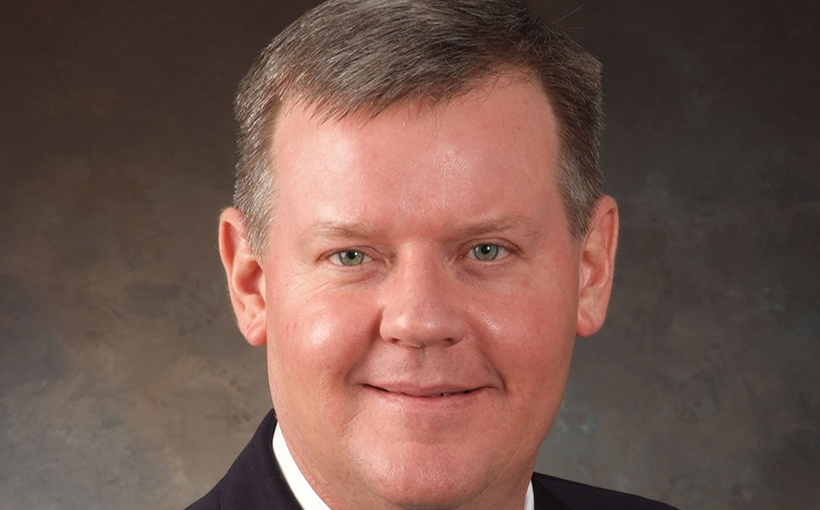

Retail Showing Great Occupancy: Q&A with Weitzman’s James Namken
Weitzman recently released its 2018 retail report for Houston. James Namken, Weitzman Senior Vice President, went into some depth about the report’s findings, which showed the limited impact of Hurricane Harvey on the overall retail market.
Q. How does the Houston metro retail market look today, and what significance, if any, did Hurricane Harvey have on the numbers?
A. The occupancy rate of 95% remains near the highest ever recorded for the market, thanks to continued health in our economy and few major closures. We did see a handful of anchor stores close, but together they accounted for around one million square feet out of a market with 158.1 million square feet. Hurricane’s Harvey’s flooding did cause some stores to close, but most of that space has been rebuilt and reopened. Even in the months following Harvey’s significant flooding, Houston continues to see a pace of job growth that exceeds the national average. Overall, we’re strong and stable.
Q. What’s going on with development?
A. The Houston-area retail market added approximately 2.8 million square feet of retail space in new and expanded projects in 2017. That is still fairly conservative for a market this large, and it represents a decline from the 3.4 million square feet the market added in 2016. Without a doubt, the new intersections created by the latest phase of the massive Grand Parkway are driving most of our new development. That road completion opened access and visibility to suburban markets, such as Katy and The Woodlands, and created almost overnight the groundwork for new retail districts to serve existing residential and commercial density.
Furthermore, Houston’s close-in neighborhoods, those that have density and high incomes, are prompting several projects. These are being built in The Heights, EaDo (East Downtown), Bellaire and similar built-out districts, where redevelopments often are the best option for new space.
Q. What anchors are driving the new construction?
A. Based on square footage, suburban power and grocery-anchor community centers are dominating new construction. For example, the largest new project is Valley Ranch Town Center in Porter, which added Sam’s Club, Burlington, T.J.Maxx, PetSmart and others to existing anchors such as Academy. More retail is opening this year at the center, which will total approximately one million square feet upon completion. Other anchors driving new construction included H-E-B, Kroger, Walmart, Target, Hobby Lobby, Dick’s Sporting Goods, Pet Supermarket and others.
For comments, questions or concerns, please contact Amy Sorter
- ◦Development

