



Atlanta & Southeast News In Your Inbox
Sign up for Connect emails to stay informed with CRE stories that are 150 words or less.

Q&A: Southeast Rent Growth Faces Headwinds in 2020
What does 2020 hold for the multifamily market in the Southeast? We caught up with Brad Dillman, Cortland’s Chief Economist, to chat about where he sees the segment advancing this year and beyond.
Q: Heading into 2020, what is your broad outlook for the multifamily market nationwide, and in the Southeast specifically?
A: I expect apartment deliveries to increase in 2020, nationally and in the Southeast. 2020 is also likely to be a relatively affordable year when it comes to home mortgages, so we may see rent growth facing some headwinds in the second half of the year. The impact of a more affordable for-purchase housing market could be more pronounced in the Southeast – the region varies market to market, but is generally a more affordable and development-friendly region.
While multifamily may lose some residents to homeownership, I believe that occupancies in 2020 will still be higher than some might expect. There are more than 2.4 million excess 25- to 34-year-old adults living at home – these folks are likely to fill newly-vacated apartment homes. The Southeast will also continue to benefit from net migration and superior job growth.
Q: You mentioned that the upcoming election could represent a game changer in real estate space markets. What is the potential impact on multifamily?
A: Potential game changers could come in the form of supply-side interventions led at the state level. Democrat-sponsored bills in congress would likely serve as examples – one prominent such bill is Senator Elizabeth Warren’s American Housing and Economic Mobility Act, which calls for “…leveraging federal funding to build up to 3.2 million new housing units for lower-income and middle-class families.”
My view on the likelihood of sweeping change at the federal level has changed in recent months. For something like Senator Warren’s bill to come to pass, you’d need a Democratic sweep of the presidency and both houses of Congress – in my opinion, the prospects for this have dimmed. This has reduced, but not eliminated, the possibility that we will see a large-scale supply-side intervention in housing.
Q: With so much competition for tenants in the multifamily space as more and more product comes online, what do you see developers, owners and management companies doing to differentiate their product offerings?
Over the last decade, we have seen institutionally owned and operated multifamily housing compete on evolving dimensions; first on amenities, then on services, and increasingly on brand recognition. Brand reflects the overall resident experience associated with both the level of quality of the physical product and hospitality. We expect that well-managed and branded communities will outperform when it comes to attracting and retaining the marginal renter.
Q: There are millions of adults living at home – what might their impact be on multifamily if/when they finally move out?
A: Compared to the pre-recession era, there’s an excess rate of adults 25-34 living at home. If the rate of adults living at home were to revert to historical norms, I estimate that as many as 2.4 million 25- to 34-year-old adults would form independent households. At the same time, by our estimate and those of others, housing remains undersupplied in the U.S. One reflection of this is general affordability pressures, increased multifamily renewal rates, multifamily occupancy rates near 20-year highs, and apartment demand that consistently beats most industry projections. We infer, then, that there are plenty of people with jobs who don’t live independently due to affordability constraints.
For comments, questions or concerns, please contact David Cohen
- ◦People

Apartment buildings for sale
Check out the latest properties available on apartmentbuildings.com

South and Twenty
Cartersville, GAAtlanta & Southeast + Apartment Buildings
Learn MoreListing Status: Available Listing Type: Call for offers No. of Units: 288 Year Built: 2023 Lot Size: 292860 Acres Opportunity Zone: No 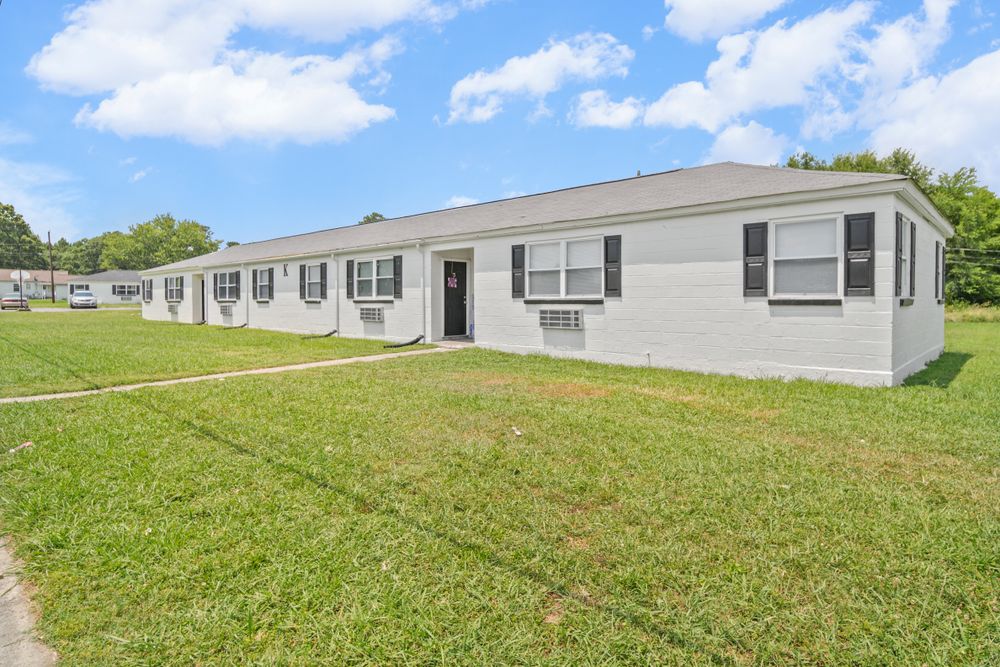
200 York Street
Chester, SCAtlanta & Southeast + Apartment Buildings
Learn MoreListing Status: Available Listing Type: Call for offers Price: $4,125,000 No. of Units: 75 Year Built: 1960 Lot Size: 7.34 Acres Opportunity Zone: No Price per unit: $55,000

