



National CRE News In Your Inbox.
Sign up for Connect emails to stay informed with CRE stories that are 150 words or less.
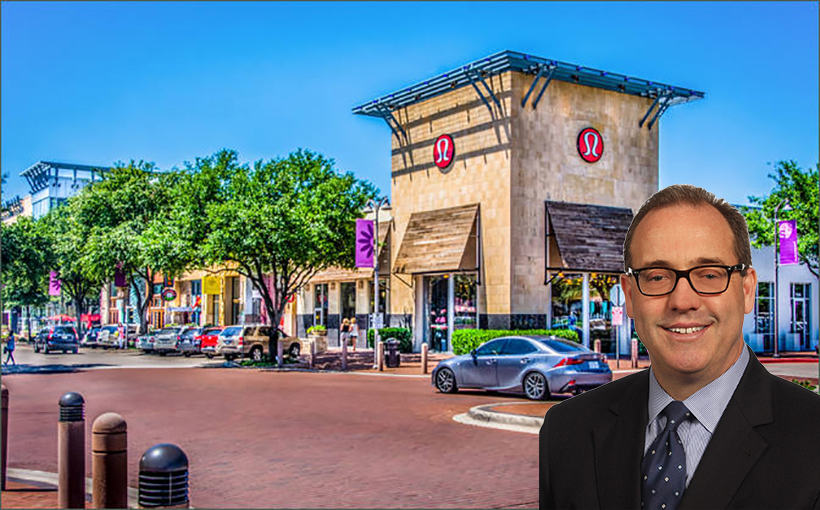

Q&A with Weitzman’s Marshall Mills: Texas Retail as Strong as Ever
Texas is enjoying some spectacular job and population growth which, in turn, is spilling over into the retail sector. In an attempt to clarify what’s going on, Connect Media posed questions to Weitzman President and CEO Marshall Mills, asking him how the Toys R Us closings might impact Texas retail, as well as the forecast for the Lone Star State.
Q. It seems as though 2018 started out with news similar to 2017, especially with Toys R Us announcing its store closings. Should we be alarmed at what’s going on?
A. No. Retail in Texas is as healthy as I can ever remember it. A big part of that is the dramatic slowdown in construction over the past decade, at a time when a strong economy created positive retail demand. The lack of new space has made existing retail space, especially in well-located projects in established markets, more attractive than ever. That’s one reason why our markets in Dallas-Fort Worth, Austin, Houston and San Antonio have a pronounced scarcity of well-located box vacancies. Because of this, we expect to see the vacancies left behind by Toys R Us backfilled sooner rather than later. I know that our brokers, and brokers throughout the market, see these vacancies not as setbacks, but as opportunities for tenants unable to find great space in strong submarkets, which is exactly the kind of real estate that Toys occupied. Some of the sites might require redevelopment for multiple tenants, but we expect to see most of these spaces find new tenancy between now and the end of 2019.
Q. What areas of Texas are stronger in retail?
A. One of the beautiful things about the current retail market is that our major Texas metros are national leaders in both population and job growth, as well as residential development in terms of single- and multifamily. Take DFW, for example. We are enjoying record-high retail occupancy, and population growth (which topped the nation with 140,000 new residents last year) will help that trend continue.
In terms of new retail development, grocery-anchored retail continues active, largely because the influx of new residents increases demand for groceries and other needs. We also see a significant number of mixed-use projects, which capitalize on three trends: The boom in multifamily construction; the desire for walkable environments; and the strength of experiential concepts like restaurants, music venues and entertainment concepts like cinemas, or the new generation of bowling-dining-fun concepts like Pinstack.
Q. What is your forecast for the remainder of 2018?
A. In the past couple of years, it’s become the norm for all four of our major metros to report healthy retail occupancy rates above 90%, and that certainly has not always been the case. And the best thing is that, barring unforeseen circumstances, we don’t see anything on the horizon to reverse these healthy trends for the balance of 2018 and 2019.
For comments, questions or concerns, please contact Amy Sorter


