



National CRE News In Your Inbox.
Sign up for Connect emails to stay informed with CRE stories that are 150 words or less.


Prologis: Transportation Gives E-Commerce Edge in Sustainability
Is e-commerce a more sustainable form of retail? Yes, says, Prologis, which recently produced a study making this argument.
“The key to greater sustainability in retail is reducing the transportation impact—the largest source of emissions for the U.S. as a whole,” according to Prologis’ study, titled “Logistics Real Estate and E-commerce Create Sustainability Advantages.”
And the strength e-commerce has in reducing the carbon footprint is efficiency, says Prologis. If the consumer is ordering from a mobile device, he or she isn’t visiting a store, and the individual consumer’s orders can be grouped together with others’ shipments.
“By consolidating goods transportation into trucks and vans making several deliveries on a circular route, rather than individual point-to-point trips by consumer vehicles, the carbon footprint of transportation falls by more than 50%,” as measured by kilograms of CO2.
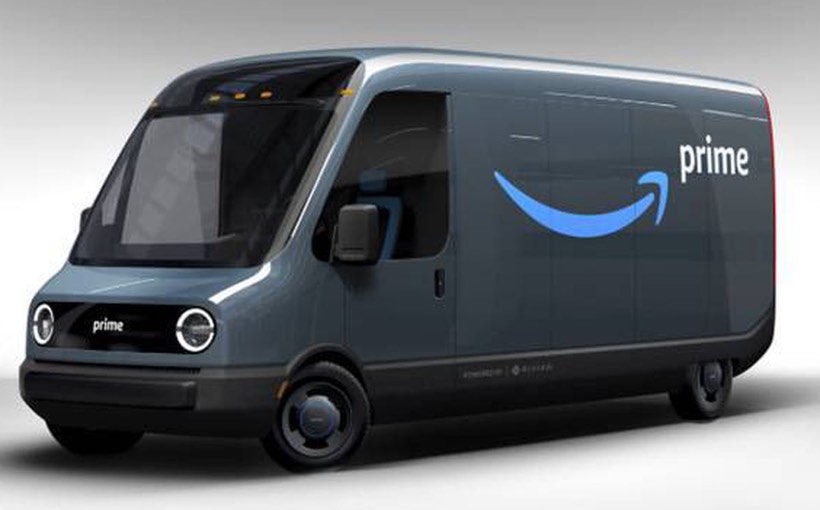
In addition, the report says, “the faster pace of adoption of EVs by delivery companies (compared to the larger consumer vehicle fleet) is widening the CO2 savings of online versus in-store shopping. While packaging for e-commerce is greater, it does not outweigh the transportation savings created by online shopping.”
All told, Prologis says the end-to-end environmental impact is estimated to be roughly 15% lower for online versus in-store shopping.
Connect Industrial Midwest is coming to Rosemont, IL on March 4. For more information, or to register, click here.
For comments, questions or concerns, please contact Paul Bubny

