



California CRE News In Your Inbox.
Sign up for Connect emails to stay informed with CRE stories that are 150 words or less.

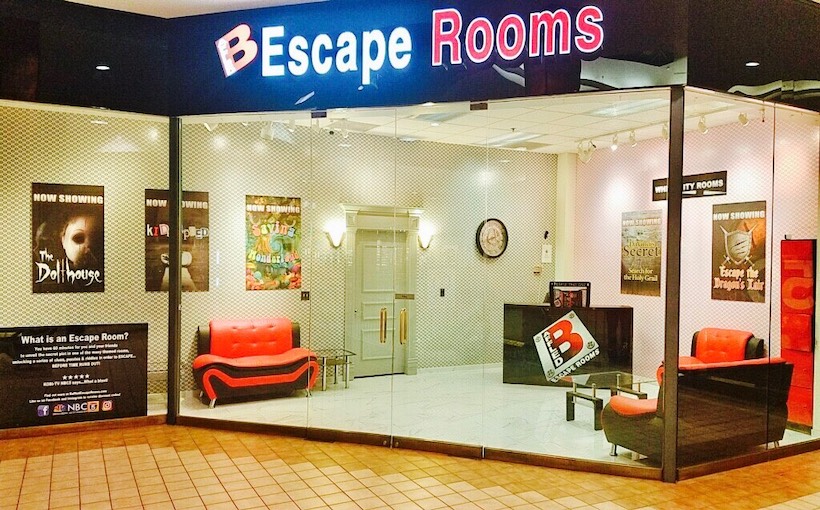

Pop-Ups Create ‘Quick Buzz;’ But What’s Really Behind the Retail Strategy?
By Dennis Kaiser
Connect Media’s planned conference, Connect DTC, will bring together a confluence of influential brands, top venture capitalists, and the most innovative minds in retail later this month at Santana Row in San Jose. It promises to be a stimulating conversation among some of the hottest brands, the investors funding their retail expansions, and other industry visionaries.
One of the intriguing strategies being executed within the retail sector are pop-ups. Connect Media asked JLL’s Josh Harris, VP, Regional Specialty Leasing Manager, and Christie Sparks, VP, Regional Specialty Leasing Manager, to share what they have learned about pop-ups in our latest CRE Q&A.
Q: What’s behind so many retailers choosing to do a pop-up store?
A: I think the short answer is positive press and low risk. Pop-up stores are grabbing headlines almost daily, so the thought behind many of the brands launching pop-up stores is as much about the marketing and branding opportunity as anything else. From the brands perspective, if they can find a location that proves to be profitable and leads to a long-term lease, that’s then even better. However, I see most pop-ups you read about in the news, by national brands have predetermined start and end dates, so the plan was never really to sign a long-term lease at all.
As Christie Sparks, VP, Regional Specialty Leasing Manager for JLL puts it, “I think pop ups lend themselves to the current zeitgeist in terms of creating quick buzz and capitalizing on short attention spans. Think “insta-moments”, Snapchat, “swipe right”….people are making decisions, having their attention grabbed or garnering interest in the shortest “sound bites” ever before in our industry’s history. So, a long-term store? That’s your grandpa’s deal. A quick, come see it, come interact before it’s gone tomorrow? That’s what’s hot. And our retailers are recognizing that. It’s not necessarily about testing a market, as you said, it’s about a “sexy” moment, a flash in the pan, market buzz, here and gone. It’s the Bumble of retail.”
Pop-ups are often designed to be an experiential marketing events, to raise brand awareness or test new products with real customers in a live setting. From the landlord’s perspective, is where the low risk portion of the program comes in, because so many landlords have vacancies that they are anxious to fill – it’s the whole supply vs. demand thing. The trend across the retail industry for several years now have been shorter and more flexible terms. Pop-ups are the natural next step, with so many prime spaces available, and landlords are always hoping that it will lead to a permanent lease.
Q: Is there anything really interesting or innovative that you’ve seen recently?
A: There’s another type of pop-up that we are seeing a lot more of these days, and that’s the local start-up or online retailer looking to test a bricks and mortar location. These, in my opinion, are the stories more deserving of the headlines. They capture the entrepreneurial spirit of America and offer an opportunity for shopping center owners a chance to offer something more authentic to their customers. We are seeing many of them who set up initially for 90 days or just for the holiday season in a recently-vacated space that, it looks like what it is, a former (fill in the blank) Charlotte Russe, Payless, etc., but these hardworking entrepreneurs set up shop and make it their own and over time many of them have realized their dreams, building from what was initially just a holiday pop-up store into a full store. There are examples of this in almost every B and C mall in the country right now, because that’s where so many of the vacancies have occurred. They are exciting examples and very likely the national tenants of tomorrow.
Q: What are some of the lessons learned?
A: I’m not sure what the individual national brands would say are lessons learned, but based on how rarely they repeat the program I would guess they learned that the expensive pop-up campaigns didn’t produce the results they were looking for. We’ve all seen them, where they announce they are opening 25 pop-ups across the country for the holiday season, they get tons of calls from brokers hoping to lure them into doing one of their pop-ups at their location, but the locations were all predetermined. Then they pull it all together, it is expensive, requires a lot of work on the logistics and operations team, and then it ends up being a costly program that is likely over budget and sales underperform. Why? Because, it isn’t really a true entrepreneurial endeavor, it is a corporate marketing program.
Success in retail whether a pop-up or a start-up, will always be hard work – ‘retail is sweat equity.’ Whenever you see a successful emerging brand, you can always look behind it and see a passionate and dedicated leader or team with a clear vision and a willingness to work through the failures to find the winning strategy. That’s why I say there are two types of pop-ups, those that are corporate marketing events and others that are factfinding missions. Companies that decide to do pop-ups (or short-term agreements) to truly test a location and learn what shoppers are looking for are the ones who will end up winning the day, because they aren’t just repackaging the same merchandise, they are listening to their customers and adapting. We’ve helped a number of these entrepreneurs succeed by lowering the cost of entry through creative temporary license agreements, who go on to be strong local and regional companies.
Q: What does success or failure look like with a pop-up?
A: Depends on what type of pop-up, remember there are two kinds… the experiential marketing event type. I would say if the program pays for itself in sales and greater exposure or brand awareness, that would be a success. And the pop-up that is a local or regional emerging brand, testing and fine-tuning their product, customer service and overall business to build a successful retail store, success for them looks like long-term leases, sustainable expansion plans and profitable stores that offer their shoppers a unique shopping experience and memorable customer service.
For comments, questions or concerns, please contact Dennis Kaiser
- ◦Lease
