



California CRE News In Your Inbox.
Sign up for Connect emails to stay informed with CRE stories that are 150 words or less.


Economic Update: Boom, Bubble or Bust?
By Dennis Kaiser
Nearly 400 attendees at 2018’s Connect Apartments heard an economic overview from three real estate economists who shared insights into the multifamily sector. The Boom, Bubble or Bust panel was moderated by Marcus & Millichap’s, John Chang (pictured left) and included Yardi Matrix’s Chris Nebenzahl (center) and RealPage’s Greg Willett (right).
To frame the conversation, Chang noted the economy has been on a “wonderful run” of nearly 10 years, during which time 19 million jobs have been created. The unemployment rate has dropped to 3.8%, the lowest it has ben since 2000, and at the cusp of a 40-year low. He says those conditions have created “an interesting dynamic.” There are 6.7 million job openings, yet just 6.3 million unemployed people, an “inversion point that’s unique,” said Chang.
Jobs
Nebenzahl pointed out that the country has “blown past the level of full employment,” but questioned whether the economy can continue adding 200,000 jobs each month. He doesn’t believe that clip is sustainable long-term though, with it settling down to about 150,000 to 175,000 per month in 2019. The momentum in the jobs market is expected to continue, which should push it past the two-million level.
Willett pointed out the job growth has been experienced in segments where jobs had not previously been created. He believes that “positive momentum will continue “for the rest of the year” and provide “some momentum into 2019.”
One factor Chang notes as contributing to the taut job market are tightened domestic immigration policies, which have reduced the number of available people to fill positions. “There’s higher demand than supply, but we’ve yet to see a wage growth pop,” he said.
Willett added, “We’ve been ready for a significant bump-up in wage growth. It has felt like that for awhile,” as the economy has become service-focused rather than producing things.
A shift to monitor is as Baby Boomers retire at higher paying positions, that is expected to drive wages for Millennials who move into those roles. Nebenzahl suggests that could amount to faster than average wage growth.
Yet determining if the economy is at a tipping point to take off to new levels or will slow down may hinge on momentum on wage growth, and how service jobs respond to expected adjustments in automation, says Willett.
Recession-Inflation
Panelists noted that inflation has picked up a bit, with wage growth a significant factor in that condition. Chang notes the Fed funds rate increases has added a “little pressure” with two rate increases so far this year, two more planned in 2018 and four more expected next year.
Now that the spread between the 2-year and 10-year Treasury rates has narrowed to 35 bps, it is close enough that it could cross over if the Fed raises rates. Historically, a recession has followed the 2-year rate exceeding the 10-year rate. He believes the media will help fuel a recession when headlines “scream recession” because it “affects the confidence levels” and actually “creates real risk.” Willett agreed, saying, “Talk about [recession] and it will make it happen.”
Nebenzahl says sovereign bond yields have fallen below U.S., which may lead to a “flight to quality” to keep the yield low. Chang pointed out a 6% yield in the U.S. vs 3% elsewhere adds up to those willing to “pay a premium for quality of debt.”
But as Willett notes, as the Fed pushes up rates, it makes U.S. real estate even more attractive. “It is still the best option out there, since capital is global it makes sense we’re the place to be,” he said. “It makes deals harder to execute and pencil out. Development or acquisition gets harder and harder from here.”
Demographic Impact
The multifamily sector is expected to benefit from the large Millennial cohort (80 million vs. 75 million Baby Boomer cohort) because 60% of Millennials live in multifamily assets. That has been a “critical factor driving the performance of the multifamily sector the past four years,” said Chang. The question is, as Millennials move into an age range when people historically have started getting married, having children and buying homes, will they forgo a house and remain in an apartment? Willett notes some markets with more affordable housing stock already are experiencing increases in home buying, such as in Texas and the Carolinas.
Nebenzahl wonders if the continued rent growth will push Millennials into becoming homebuyers, as the economics of each option shifts closer together. An interesting trend to watch, say the panelists, is the maturing of Millennials. Given their recent preference for an urban living environment, will Millennials move to a house in the suburbs or will they remain closer to a CBD in a condo? Many have preferred a work/live/play experience in a high density area. If that environment can be created in the suburbs, it might prove to be a compelling draw for a Millennial’s first home purchase.
For comments, questions or concerns, please contact Dennis Kaiser
- ◦Economy
- ◦Development
- ◦Sale/Acquisition

Apartment buildings for sale
Check out the latest properties available on apartmentbuildings.com
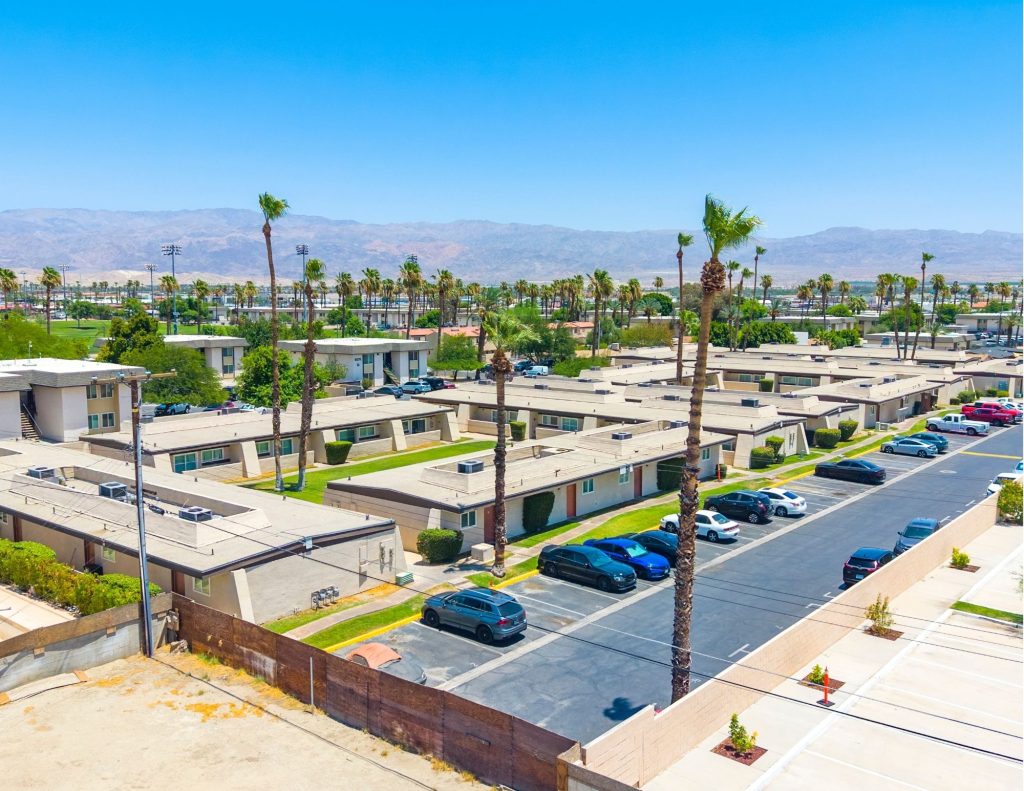
Casa Serena Apartments | Multifamily Property in Indio, CA
Indio, CACalifornia & West + Apartment Buildings
Learn MoreListing Status: Available Price: $8,400,000 No. of Units: 51 Cap Rate: 6.61 GRM/GIM: 9.13 Year Built: 1982 Building Size: 29376 Sq ft Lot Size: 106286 Acres No. of Stories: 1 APN: 612-064-001 to 612-064-052 Opportunity Zone: No Price per unit: $164,705 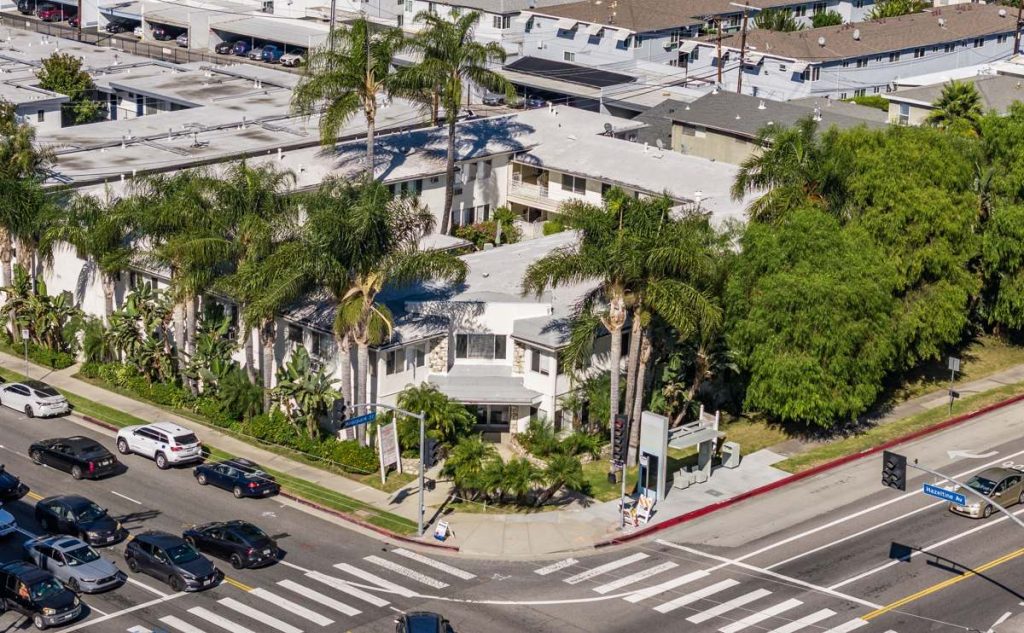
SFR Investment Property Forest Grove OR | 1270 Pacific Ave. 97116
Los Angeles, CACalifornia & West + Apartment Buildings
Learn MoreListing Status: Available Price: $7,490,000 No. of Units: 30 Cap Rate: 5.13 GRM/GIM: 11.39 Year Built: 1956 Building Size: 20182 Sq ft Lot Size: 0.55 Acres Opportunity Zone: No Price per unit: $249,666


