



National CRE News In Your Inbox.
Sign up for Connect emails to stay informed with CRE stories that are 150 words or less.

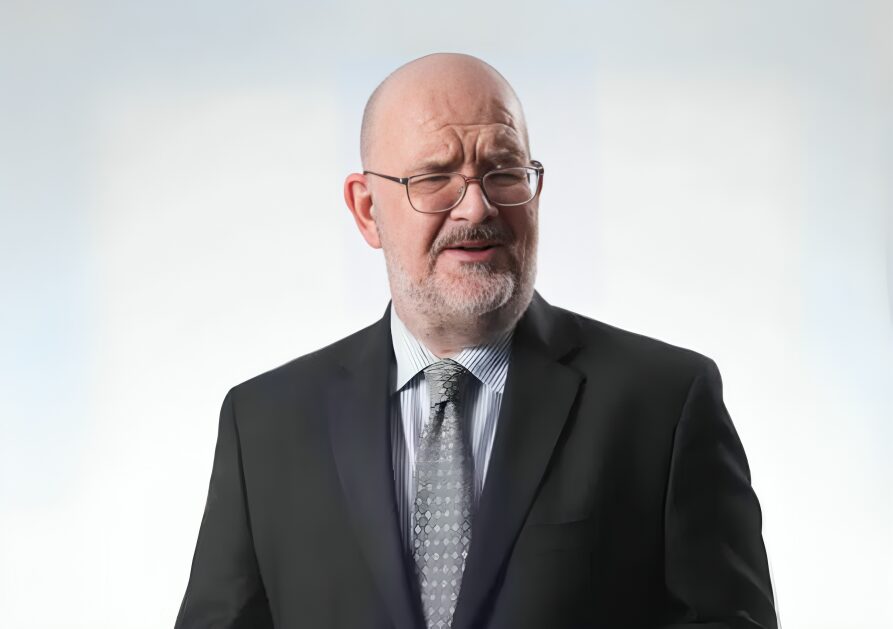
Berkadia Webinar Drills Down into What Tax Policy May Look Like Post-Election
The question of what tax policy will look like post-inauguration hangs in the air and much still depends on the outstanding Senate runoffs in Georgia. Before the election, Berkadia brought together three tax professionals for a one-hour webinar to shed some light on the subject.
All three of Berkadia’s panelists—Wendi L. Kotzen, partner, Ballad Spahr LLP; Edward A. Liva, a retired CPA who now teaches partnership taxation at Villanova School of Business; and Edward J. Reitmeyer, Mid-Atlantic Regional Real Estate Leader at Marcum LLP—agreed that any major changes in policy won’t happen overnight.
Along with the process of getting tax legislation through both houses of Congress, there’s the question of when the legislation takes effect. Given a sharp economic downturn due to the pandemic, that effective date may be a couple of years away.
President-Elect Joe Biden has proposed generating $4 trillion in new taxes over the next 10 years—a 10-year total that coincidentally is close to the reduction in taxes that went into effect with 2017’s Tax Cuts and Jobs Act.
About half that increase occurs on the corporate side. Biden is proposing an increase in the maximum corporate tax rate from the current 21% to 28%, or halfway back up to the 35% rate it was reduced from. He also is calling for a 15% minimum tax on book income along with an increase in taxes on foreign profits.
At the individual level, said Liva, a big part of the revenue will come from increasing the cap on Social Security taxation for people earning more than $400,000. There will also be an increase in the top personal rate from 37% to 39.6%, caps on itemized deductions at a 28% benefit and a phase-out—or outright elimination—of Section 199A.
Biden’s proposal currently is in the talking stages. Kotzen noted that the tax policy climate is currently full of big ideas but short on details.
Given that control of Congress rests on the outcome of the Georgia Senate runoff elections, tax legislation that even might be considered by Congress is unknown. It seems that if the Senate is controlled by the Republicans, President Elect Biden might have to scale back his proposals. President-Elect Biden’s administration could have impact on tax policy through the regulatory process by addressing TJCA provisions in regulations and rulings.
Reitmeyer expressed optimism that the government would be able to read tea leaves and see that the pandemic and economic stresses are “more paramount than partisan politics.” Raising taxes represents “a drag on the economy, especially when things are beaten down,” said Reitmeyer. “The time, if you want to raise revenue, is when things are going better.”
Randy Jenson, CFO at Berkadia, moderated the conversation, with Hilary Provinse, the firm’s head of mortgage banking, setting the stage.
For comments, questions or concerns, please contact Paul Bubny
- ◦Economy


