



California CRE News In Your Inbox.
Sign up for Connect emails to stay informed with CRE stories that are 150 words or less.

Appetite for Food Halls Fuels Retail Sector
By Dennis Kaiser
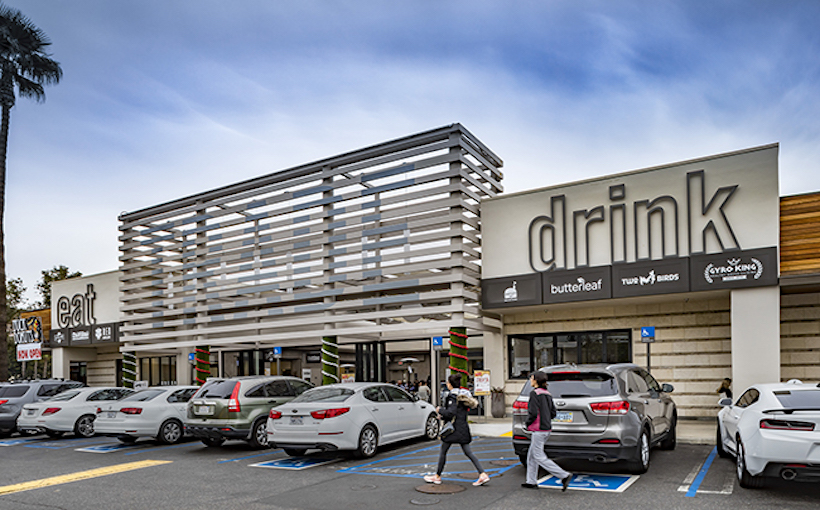
A recently-redeveloped retail center and curated market food hall is up for sale in Irvine, CA. The food hall component of the TRADE Marketplace & Food Hall property is 100% leased, a fact that reflects the growing trend and popularity of offering an experiential-focused retail experience in today’s shopping environment.
Connect Media took a deep dive with HFF’s Bryan Ley, who is handling the marketing for this dynamic new project as it emerges as one of the most exciting shopping and dining destinations in the area. Check out what he says is driving the food halls trend in our latest 3 CRE Q&A.
Q: Why are food halls attractive to developers, owners and/or investors?
A: Food Halls are attractive to the retail market today, as it is a new concept that fits a need in today’s retail environment. It can be a driver to a larger overall project, like a large office complex, mixed-use residential property or revitalize a Downtown area, as food halls can be a catalyst for the surrounding area as it provides the curated goods and services for the worker and resident while serving as a major anchor draw. Many developers have visions for a food hall, but it takes lots of research, tenant relationships, construction and management expertise and patience to make food halls successful.
Food hall tenants want bright, airy, unique retail spaces, much like creative office tenants like Google, Facebook and co-working firms like WeWork are looking for in their space planning and build-out needs. So, the more successful food hall projects tend to have unique architecture and design, well-thought-out layout and merchandising, very creative marketing and branding and a hands-on management team to work with these tenants to manage the day-to-day needs. For developers, the retail world has fewer anchors, and as such a food hall allows for a new-age anchor that captures food, daily needs and other retail uses under one roof. Food halls are even more attractive for developers and they can be a cheaper cost alternative than a big box anchor, while commanding much higher rents than a traditional anchor box. Owners and developers alike, are benefited by the fact that most food hall tenant spaces require less tenant improvement dollars and make it easier to backfill or replace a tenant quickly, as the space is small and the kitchens and counters come with the space and are not tenant specific.
What’s even more interesting for developers and owners is that due to the small retail spaces, there are far more small retail tenants in the market today, like food truck purveyors with dreams of opening a small restaurant, but don’t have the capital needs or that small business owner or mother who has a small food or craft business out of their home, that has visions of a future retail store. For these food hall tenants, it is much more cost effective to open a 200- to 500-square-foot space, and there are far more retail tenants out there that can afford and want to take a smaller space. For the developer, owner and investor, it is also beneficial, as these food hall tenants are typically paying higher rents in these projects, versus traditional retail strip centers. Those higher rents turn into higher yields for owners and investors, and can provide long-term annual income growth with the success of the food hall.
One of the other big reasons owners and investors are loving food halls today, are that these properties provide an internet-resistant tenant base and to incubate new retailers and ideas within that food hall, for those owners and investors to then work with those tenants in some of their other centers or properties as well. Food halls are breeding the new, up and coming retailer.
Q: What features should an investor look for in a food hall-anchored property?
A: Like all real estate, investors should look for strong locations. Investors should look for food halls that are in urban or higher-density locations with strong day-time traffic. Like in the case of Trade Marketplace and Food Hall in Irvine, CA, the property benefits from over 260,000 daytime Class A office workers in a five-minute drive of the property, 50,000 people in direct walking distance and over 7,000 residential units within one mile of the property in the central business district. These population drivers provide strong daytime demand for a food hall and spells success, as it makes it a dining and retail destination by catering to the retail needs of those customers. Key traits in food halls that drive traffic are having a best-in-class coffee purveyor, eclectic quick service food options, wine store, chef driven restaurants, a bakery, ice cream shop and retail amenities like gift, flower and trendy health-oriented shops.
Q: What role are food halls playing in urban renewal?
A: Food Halls are playing a vital role in the urban renewal of cities and developing areas, as they are the food and entertainment beacon that drives people to the area. We all have to eat, and food halls offer a unique dining and retail experience that is different than what most see every day. Food halls also bring millennials and higher-earning jobs to areas, as those companies want to be surrounded by dynamic retail options. Other successful Food Halls across the U.S., like the Ferry Building in San Francisco or Chelsea Market in New York City, drew big name tenants like Google, Salesforce, Facebook, Morgan Stanley, JP Morgan Chase and others to want to office in areas within walking distance of those food hall properties.
Leaders of big companies, employees and residents alike, want to go to cool places and Food Halls offer that unique experience to get that terrific coffee, tasty ramen bowl, street tacos, or homemade food or gift. Successful food halls drive traffic and development activity in the surrounding area, as office buildings need retail amenities and housing needs food options within walking distance as well. That is what makes the urban atmosphere. High growth cities or those undergoing urban renewal right now like Denver, Salt Lake City, Detroit, Austin, Pittsburgh and many more, are all seeing the emergence of food halls and they are redefining the urban core and sparking more growth and activity surrounding them.
For comments, questions or concerns, please contact Dennis Kaiser
- ◦Development


