



Texas CRE News In Your Inbox.
Sign up for Connect emails to stay informed with CRE stories that are 150 words or less.
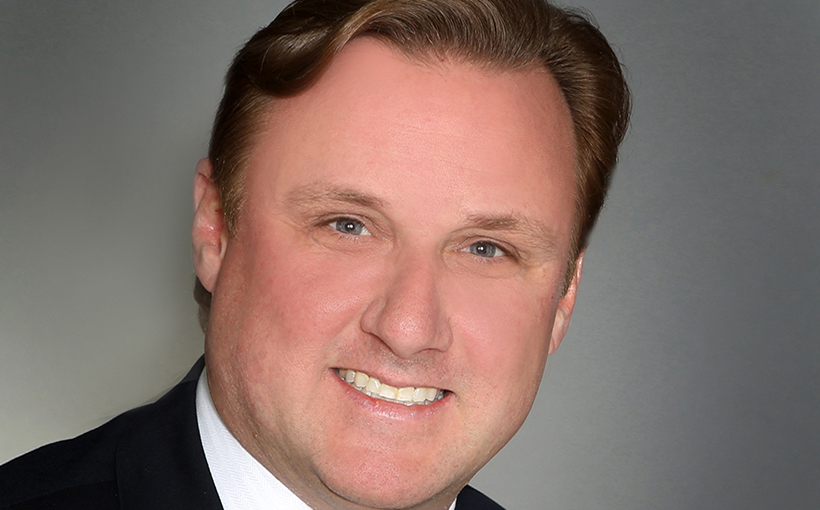

An In-Depth Look at Houston: Q&A with Marcus & Millichap’s David Luther
David Luther, Marcus & Millichap’s First Vice President/District Manager, will be a panelist at the upcoming Connect Houston conference on Wed. Feb. 7. Connect Media questioned him about the Houston commercial real estate market, from in-demand property types, to the 2018 forecast.
Q. What property types seem to be more in demand than others, from an investment perspective, and why?
A. Industrial distribution properties of all sizes, especially tilt-wall construction, are the darlings of the market. The targeted submarkets are the southeast, northwest and west corridors. Small retail centers and shadow anchor centers are also in demand. Buyers realize they are safer investments with better returns. The submarkets with high income demographics and master-planned communities are the most in demand, while value-add continues attractive due to potential NOI growth. Apartments are in high demand throughout Houston, and investors prefer more of a value-add component than fully stabilized. Office investment interest has been picking up, with the Galleria, CBD and Westchase getting attention. Finally, hotel demand soared post-Harvey, as displacement and FEMA contracts on hotels fueled demand throughout Houston.
Q. What are you seeing from a CRE perspective, four months after Hurricane Harvey?
A. The majority of the industrial submarkets were not impacted by Hurricane Harvey, though the northwest corridor was the most impacted. Some of the challenges that have been, and are still facing the area are proper drainage and close proximity to major reservoirs such as Addicks and Barker. Approximately 5,000 apartment units are offline from the storm. The hardest-hit areas were Kingwood and Energy Corridor, though many of these assets are well capitalized. The good news is that upwards of 40,000 units have been absorbed, as Harvey accelerated the apartment market by 12 months in terms of demand. Still, one challenge is not knowing what insurance costs are, and how they’ll change impacted units.
With retail, mom-and-pop tenants were hardest hit. It also seems like some national retailers were focused on fixing their current stores before going out into the market and finding new lease space to expand. Some restaurateurs experienced increased sales due to lack of competition, and are expanding their footprint. The hardest-hit areas were the West Memorial, Cypresswood and Kingwood neighborhoods, though the more indirect hit is that it’s taken some realtors several months to get back into their spaces.
Harvey created short-term artificial demand for office space through tenant displacement. About 40 office buildings were impacted by Harvey, and renovations are running 6-12 months, depending on damage extent. You could see some buildings repositioning their leasing minimize costs should future flooding occur. We expect some tenants will avoid flooded buildings but those rate conscious tenants will go for it.
Many of the higher-class hotel owners have decided not to accept FEMA contracts. This is because of the challenges that owners faced in the aftermath of Hurricane Katrina, when residents tore up rooms, squatted in units and had to be evicted. Due to strong fundamentals driven by Harvey, many owners are unrealistic on their property’s value, which has created a lack of inventory on the market.
Q. What is your forecast for 2018?
A. We are extremely bullish on industrial and the southeast and northwest corridors. They’ll continue to experience growth that will include development activity in Texas City, League City, Pearland and Alvin.
Apartment rent growth should return in a significant way in the back half of the year, fueling product demand. Sales velocity has been down 25-35% over 2014’s peak, and we expect to see significant velocity in 2018. Strong investor demand for retail will continue in high-growth submarkets such as Katy, Cypress and The Woodlands. As development continues around the Grand parkway from Katy to Spring and further north into Conroe and Montgomery County, investors are following. We are also seeing growth and investor demand in southern markets, especially around Pearland, where there is strong medical and biotech growth.
This past year saw much improved sales activity in office due to current price of oil, improved leasing velocity and out-of-area investor optimism on the city’s office market. And, as FEMA contracts burn off and hotel demand goes back to their historical norms, you should see more inventory come to the market.
Demand for Houston from investors outside of the local area will start to increase, especially as oil stabilizes and that translates to job growth. We also think there is an excellent opportunity for both sellers and buyers to take advantage of the market where, for the first time in a long time, you could see a good balance of buyers and sellers.
For comments, questions or concerns, please contact Amy Sorter
- ◦Economy
